Korea's KOSPI P/E valuation falls to lowest since global financial crisis
The price-to-earnings ratio of South Korea's benchmark KOSPI index has fallen to its lowest level since the 2008 global financial crisis. It signals that Korean shares are valued historically cheaply relative to earnings.
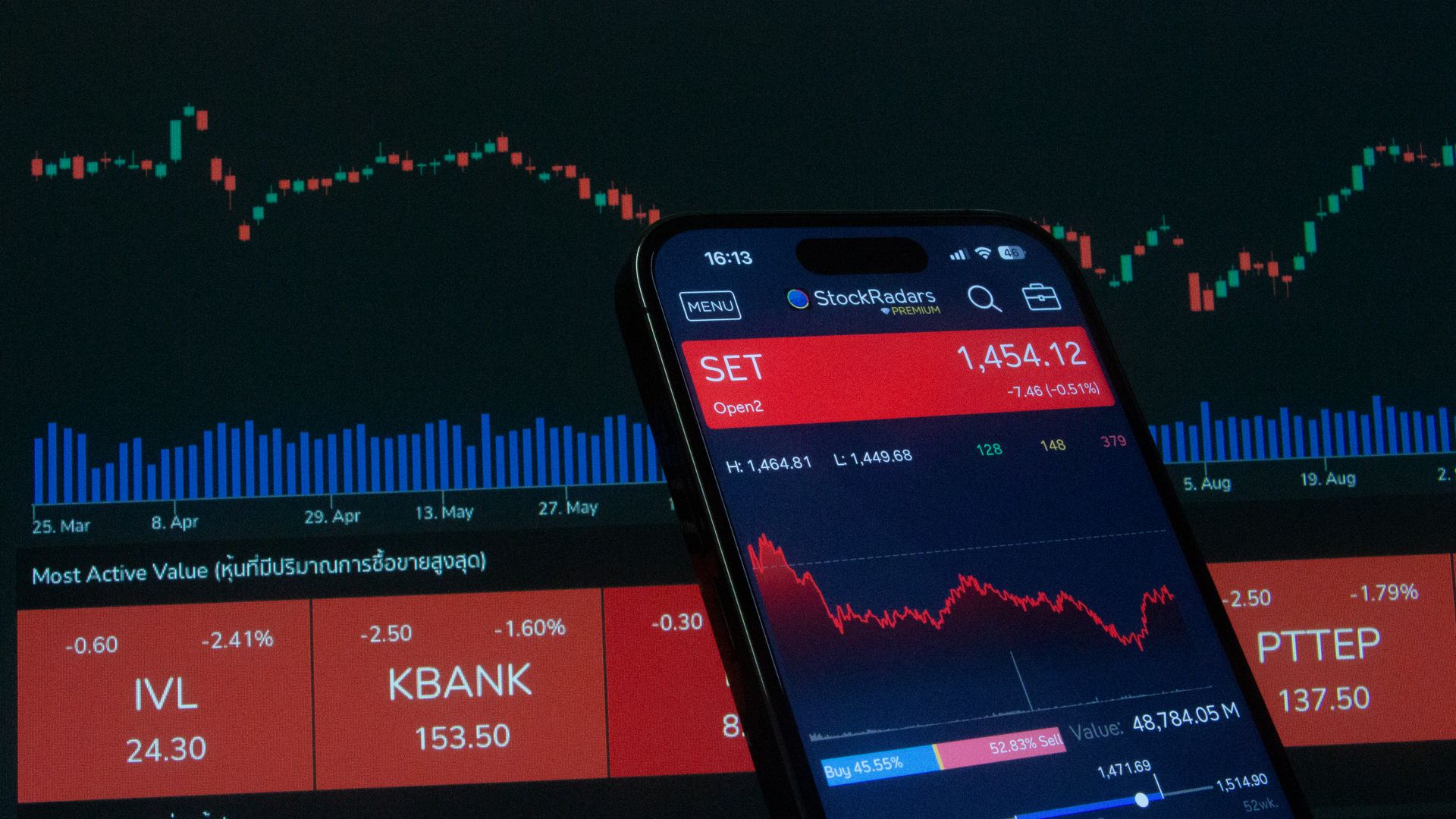
The price-to-earnings (P/E) ratio of South Korea's benchmark KOSPI index has dropped to its lowest level since the 2008 global financial crisis. The P/E ratio is a basic valuation gauge showing how much investors are willing to pay for each unit of a company's earnings.
The ratio falling this far signals that Korean shares are trading historically cheaply relative to earnings. The long-discussed "Korea discount" is often linked to factors such as governance, shareholder payouts and the cyclicality of an export-driven economy.
Low valuations can be read by some investors as an opportunity and by others as a reflection of weak expectations. Corporate reform efforts, the trajectory of company earnings and global risk appetite will be among the main factors determining which direction the KOSPI takes from these depressed levels.
Read next

Yen weakness persists as markets see Bank of Japan falling behind the curve
The Japanese yen remains weak as markets judge that the Bank of Japan is falling behind the curve on normalizing interest rates. Investors see monetary policy tightening too slowly relative to inflation. A softer yen raises import costs and complicates the central bank's balancing act.
Brazil's central bank imposes 24-hour hold on large dollar stablecoin transfers

Embraer posts best second quarter in 16 years, led by business-jet deliveries

Japan aims to ignite 'animal spirits' with $2.3 trillion plan
