Three Māori rūnanga partner with a global giant for Lyttelton Port bid
RNZ reports that three South Island Māori rūnanga have agreed to bid jointly with a global port operator for Lyttelton Port, the largest container facility in the southern half of New Zealand. The consortium is emerging as a strong contender as Christchurch City prepares to sell down a minority stake.
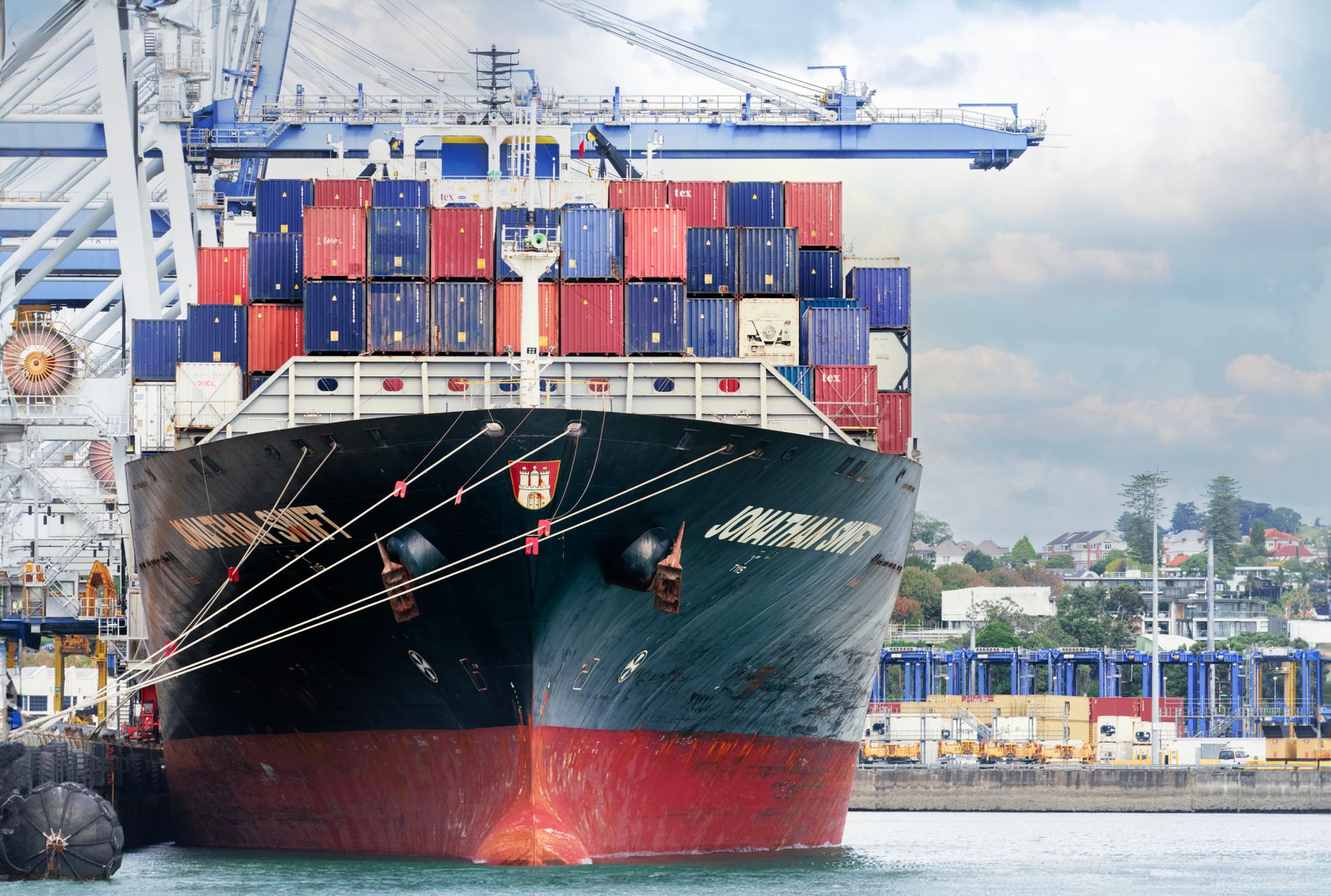
RNZ Business reports that Te Hapū o Ngāti Wheke, Te Taumutu Rūnanga and Te Rūnanga o Koukourārata, all under the Ngāi Tahu umbrella, have signed a formal consortium agreement with an unnamed global port operator. The consortium will bid into the sell-down process opened by Christchurch City Holdings.
Lyttelton Port handles a large share of the South Island's food, meat and dairy exports. RNZ sources indicated the global partner is being chosen between PSA Singapore and DP World, with the name due to be confirmed in the coming weeks. The consortium's core proposition is a NZ$350 million investment package and the preservation of customary land rights around the port.
Ngāi Tahu chief executive Mihiata Pirini said the partnership « brings together iwi capital and global operating expertise ». Christchurch City Holdings said it would publish the full process timetable by the end of autumn. RNZ added that Wellington's economic-development ministry would treat foreign-investment approval as the priority procedural gate.
Read next

US eases Iranian oil sanctions as Iran denies Vance claim on nuclear inspectors
The US Treasury on Monday eased certain sanctions on Iranian oil exports, while Iran's Foreign Ministry rejected as « factually incorrect » a claim by US Vice President JD Vance that nuclear inspectors had been granted « full access » to facilities.
Australian renewable energy company admits « failures » caused destruction of Aboriginal rock shelter

Australia's coal and gas exports violate human rights, group says in new UN case

China's strategic mineral controls threaten EU rearmament push, bloc seeks new sources

Guinea bans raw gold exports to boost local refining capacity