Germany's residential construction drops to 13-year low
Residential construction permits in Germany fell to a 13-year low in April, according to the Federal Statistical Office. High interest rates and cost pressures have hit the sector; the government is preparing a €5 billion stimulus package and industry groups are awaiting an ECB rate cut.
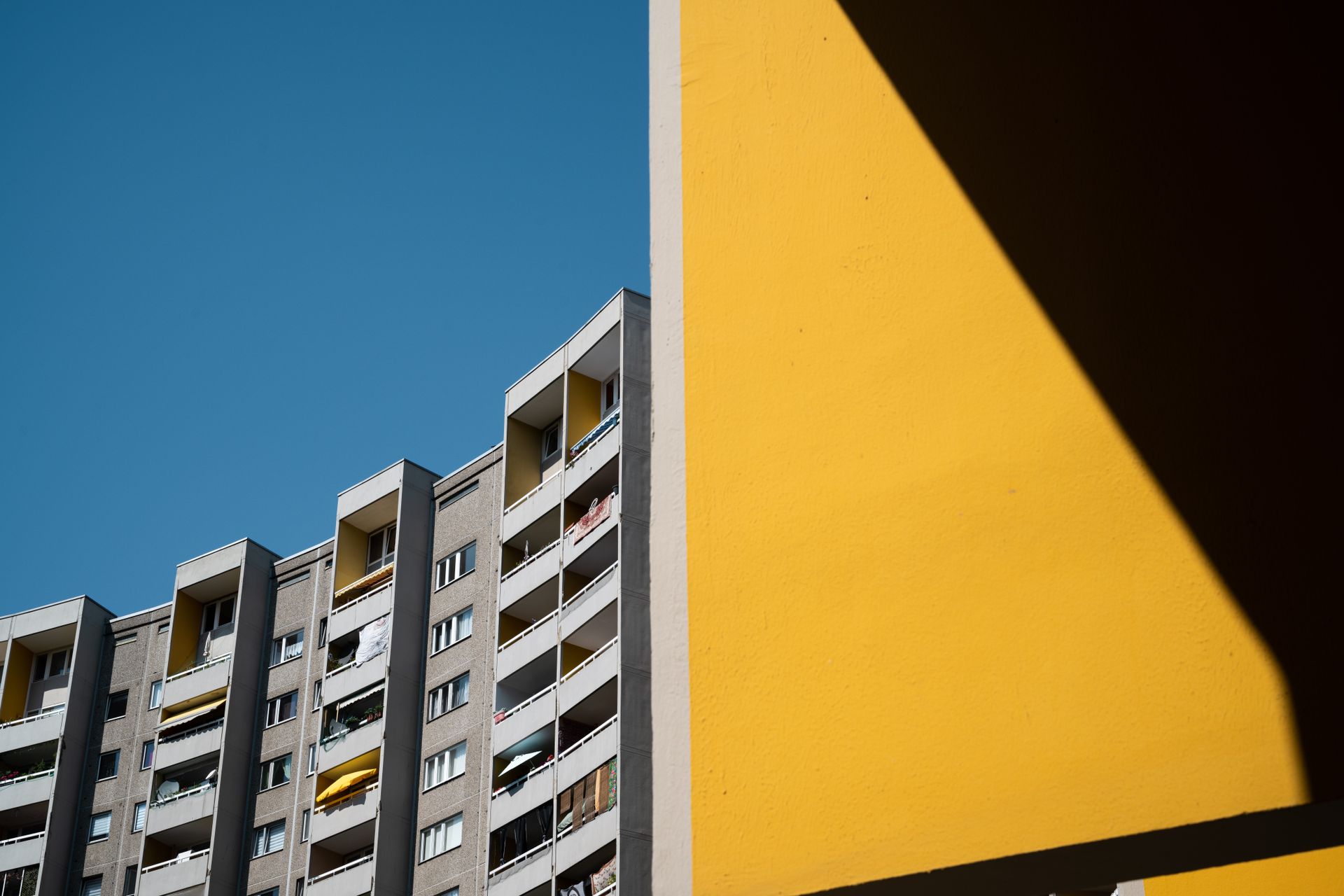
Germany's Federal Statistical Office, Destatis, said residential construction permits issued in April fell 32.4 percent year on year, reaching their lowest level in 13 years. The total number of permits, 11,400, was the weakest reading since 2013. On a unit basis, total apartment permits stood at 17,300, down 28.6 percent year on year.
German Construction Industry Federation (HDB) President Tim-Oliver Müller said the sector is in its third consecutive year of contraction, with employment falling from 870,000 to 780,000 at the start of 2026. High interest rates, materials cost increases linked to EU Carbon Border Adjustment Mechanism (CBAM) compliance and labour shortages are the three main pressure points. The European Central Bank's late-June rate decision will be pivotal for the sector.
The Federal Housing Ministry is working on a new €5 billion stimulus package covering social housing and energy-efficiency renovations. Chancellor Friedrich Merz's coalition protocol pledged 1.6 million new homes by 2030; at current build rates only about half of that target is on track to be met. On the DAX, construction-linked shares of Vonovia and LEG Immobilien lost 4.2 percent on the week.
More from Europe

UK retail sales drop by most in nearly a year as drivers buy less fuel
UK retail sales volumes fell 1.4 percent month-on-month in April, the sharpest drop in 11 months, according to Office for National Statistics data. Drivers cut purchases as petrol approached £1.72 a litre; supermarket sales also slipped 0.8 percent. The pound eased to 1.2950 after the release.

Turkish Defence Ministry announces mobilisation drill to test plans and procedures
Turkey's Defence Ministry said it will run a nationwide mobilisation drill to test plans and procedures. The exercise aims to strengthen interagency coordination and assess operational readiness, the ministry said.

Slovenia elects Janez Janša as new prime minister in parliamentary vote
Slovenia's National Assembly elected Janez Janša as prime minister for the fourth time with a 47-43 vote. The veteran leader spent two months building a coalition after the Robert Golob government collapsed in March. The European Commission and NATO congratulated Janša; migration and judicial reforms top the agenda.