World Cup Fans in China and India Face Broadcast Uncertainty
Broadcast rights for the 2026 World Cup in China and India remain unsettled just months before kickoff, even though both nations represent two of the tournament's biggest fan bases. Billions of dollars in FIFA advertising revenue depend on the outcome.

The 2026 FIFA World Cup, jointly hosted by Mexico, the United States and Canada, will be the most watched edition of the tournament in Latin America, with eyes on the Mexican venues. But on the broadcasting front there are serious complications. According to the BBC, rights for the tournament are still unresolved in China and India, two countries with hundreds of millions of football followers.
FIFA is pushing rights fees higher, while local broadcasters argue the cost is unsustainable. State broadcaster CCTV has yet to renew the kind of deals it struck for past World Cups. In India, the merger between Reliance and Disney has reshaped the sports broadcasting landscape.
The uncertainty does not only affect fans; it also restricts sponsors trying to reach those audiences. Awkward kickoff times in Asia further reduce advertising value. To meet its revenue targets, FIFA is now under pressure to find an arrangement with both China and India.
More from South America
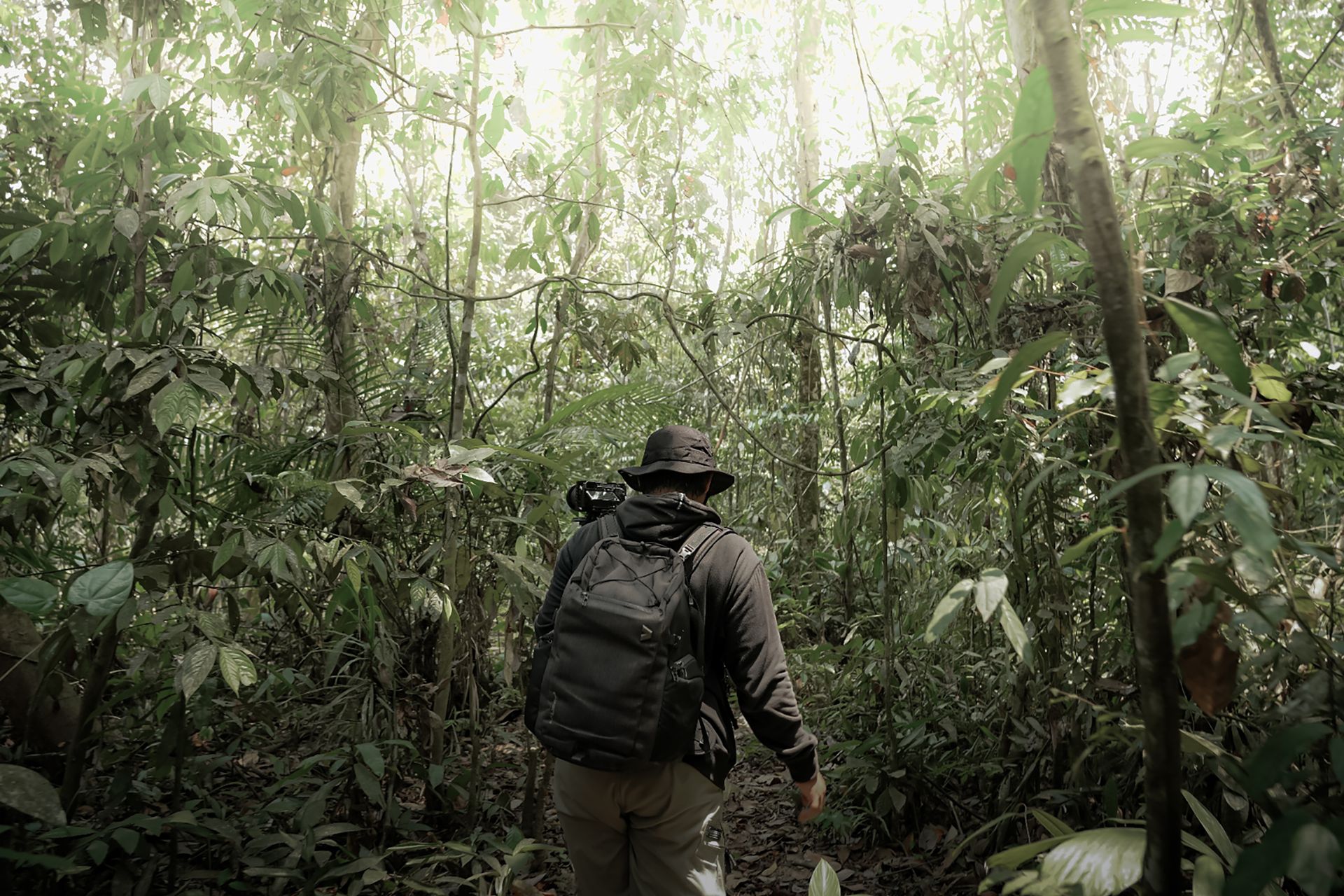
How Sir David Attenborough Built 'Green Hollywood'
The English city of Bristol has become the hub for an estimated 80% of the world's natural history TV shows. The cluster around the BBC Natural History Unit employs thousands and now supports a wider ecosystem ranging from AI-driven camera systems to green investment funds.
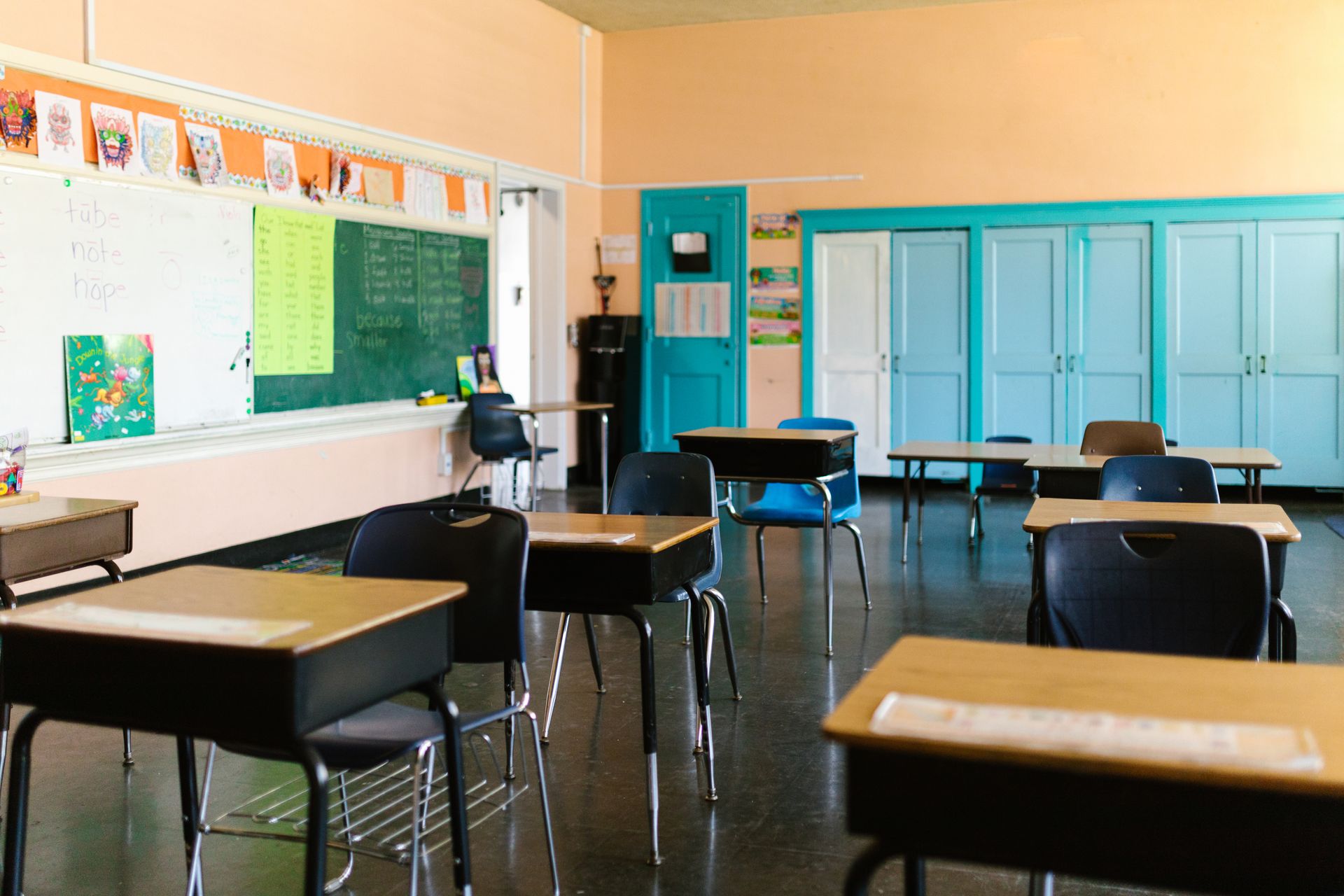
Mexican Parents Criticise Ending the School Year a Month Early for World Cup
The Mexican government has decided to end the 2025-2026 school year a month early to ease preparations and travel for the FIFA World Cup in June and July. Parents are protesting the move, citing academic losses and extra costs for summer childcare.

Three dead after monster truck crashes into crowd
A monster truck crashed into a crowd at a show in Colombia, killing at least three people and injuring 38. The incident raises fresh concerns about public safety at large events.