Japan banks to offer loans backed by growth potential, not real estate
Japan is overhauling bank lending so that loans are backed by a company's future cash flow and growth potential rather than real estate collateral. The reform aims to ease financing access for small and medium-sized enterprises.
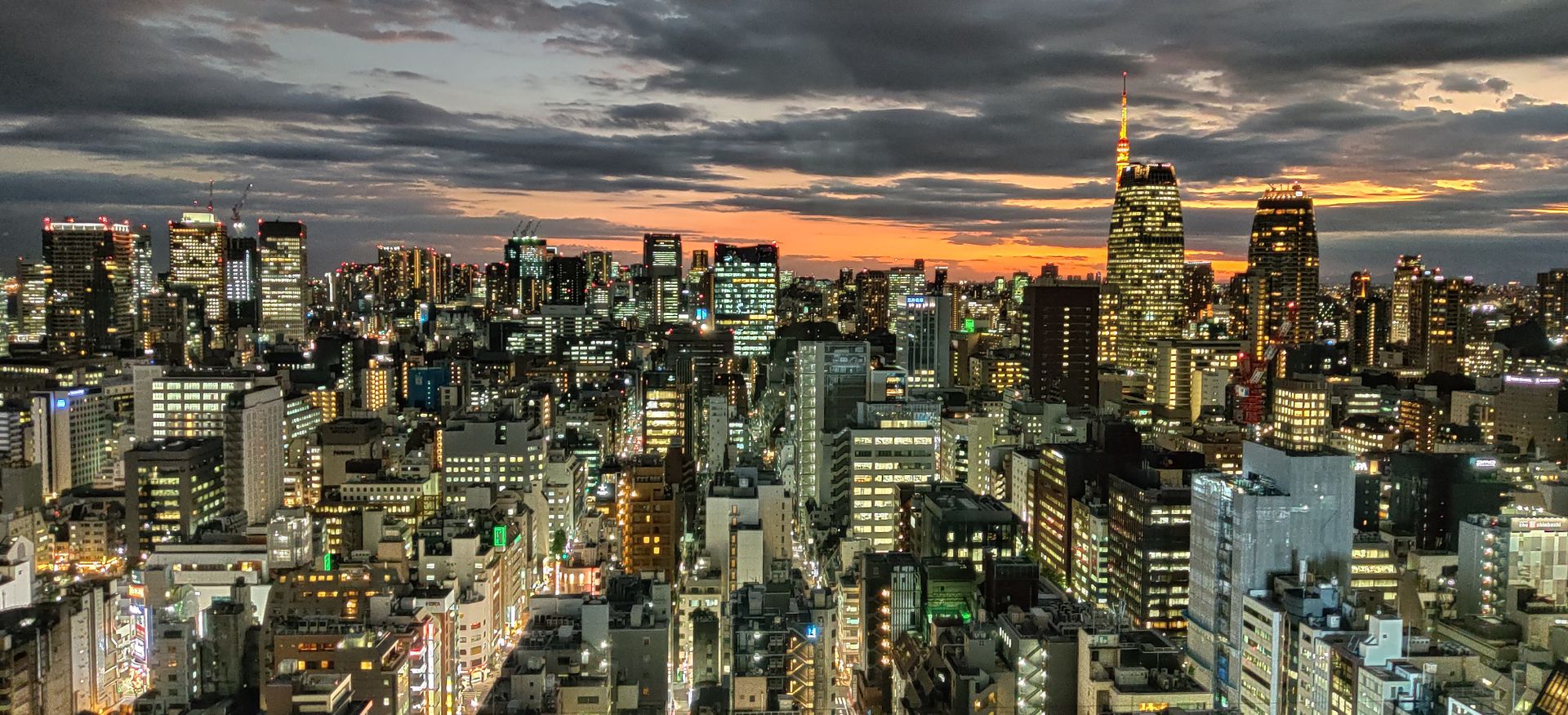
Under amendments to Japan's Banking Act, lenders will now base credit decisions on forward-looking criteria such as a company's cash flow, customer base and growth strategy. Whereas the previous system required real estate or equipment as collateral, the new model is called 'enterprise value lending'.
The Financial Services Agency (FSA) hopes the reform will lower borrowing costs for small and medium-sized enterprises (SMEs) and revive Japan's weakest investment cycle in a decade. SMEs employ around 70% of the workforce but have long struggled to access financing for growth investment.
Megabanks Mitsubishi UFJ, Sumitomo Mitsui and Mizuho will pilot the new model in Tokyo, Osaka and Fukuoka. AI-assisted risk assessment will be integrated into the underwriting process. Analysts say a successful rollout could inspire similar reforms across Asia in the coming years.
More from Asia

India's job engine strains as Iran war hits remittances and trade
A wave of returning Indian workers from Gulf states has cut remittances by 18 percent in April 2026, with about 1.3 million workers affected. The Kerala and Tamil Nadu state job markets are under added pressure; the Indian government announced a $70 billion emergency economic support package.
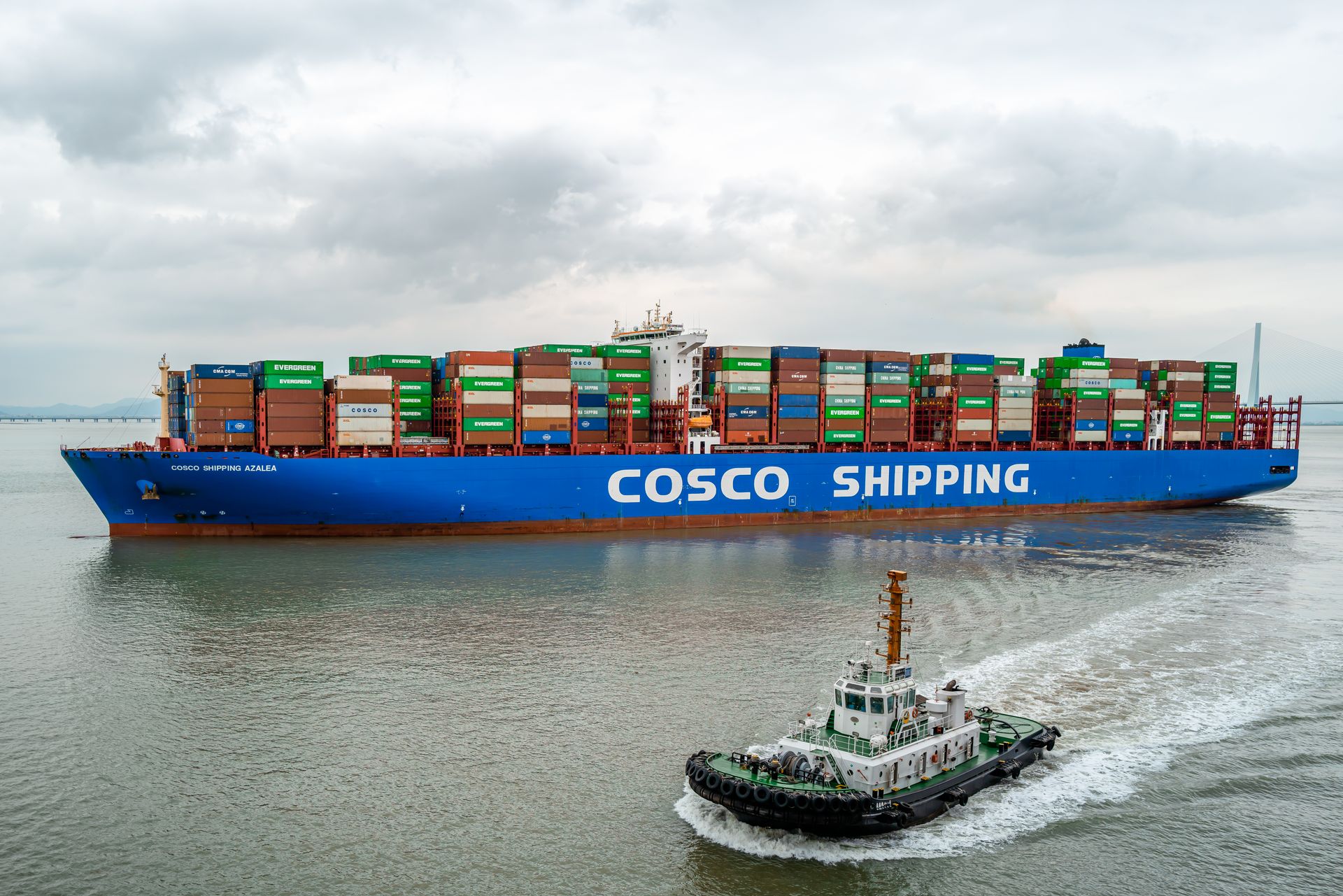
Japan to bolster sea lane defence with Southeast Asia info-sharing plan
Japan will set up a broad maritime information-sharing framework with Southeast Asian countries, led by the Philippines, Vietnam and Indonesia. With the Hormuz crisis and South China Sea tensions in the background, Tokyo is moving to protect critical trade lanes.

China's top diplomat Wang Yi to visit US and Canada to pave way for Xi trip
Chinese Foreign Minister Wang Yi will chair the UN Security Council in New York on May 26 and visit Canada from May 28 to 30. The trip aims to tighten the agenda before President Xi Jinping's planned U.S. visit in September. Beijing has scheduled an extended meeting between Wang and Rubio.