From civil-war flight to World Cup squad: refugee stars rewrite Africa's football story
In a BBC Africa feature, Germany and Real Madrid defender Antonio Rüdiger describes how his family fled Sierra Leone's civil war and rebuilt their lives in Berlin. According to UNHCR data cited in the report, 31 players at the 2026 World Cup were either born to refugee parents or migrated themselves. Rüdiger is fronting a campaign urging governments to reconsider restrictive refugee policies.

In BBC Africa's feature, Rüdiger recounts how his brother survived the 1994 outbreak of the Sierra Leone civil war by hiding in a rice sack. "For our generation football was not an escape, it was a way to preserve identity," he said, crediting a Berlin community centre where his family settled with shaping his career. The BBC also spoke with England goalkeeper Edouard Mendy, of Senegalese heritage, who backs the initiative.
UNHCR data cited in the report show 4% of players at the 2026 tournament have refugee backgrounds, nearly double the share recorded at Russia 2018. Ghana Football Association president Kurt Okraku said the continent's academies, working with internationally displaced talent, are forging a new model.
Rüdiger leads a campaign called Football Without Borders calling for faster European asylum procedures and protected education access for young athletes. UEFA chief Aleksander Ceferin issued a message of support. German Interior Minister Nancy Faeser said she "respects" the campaign but stressed migration policy must be set at national level.
Read next
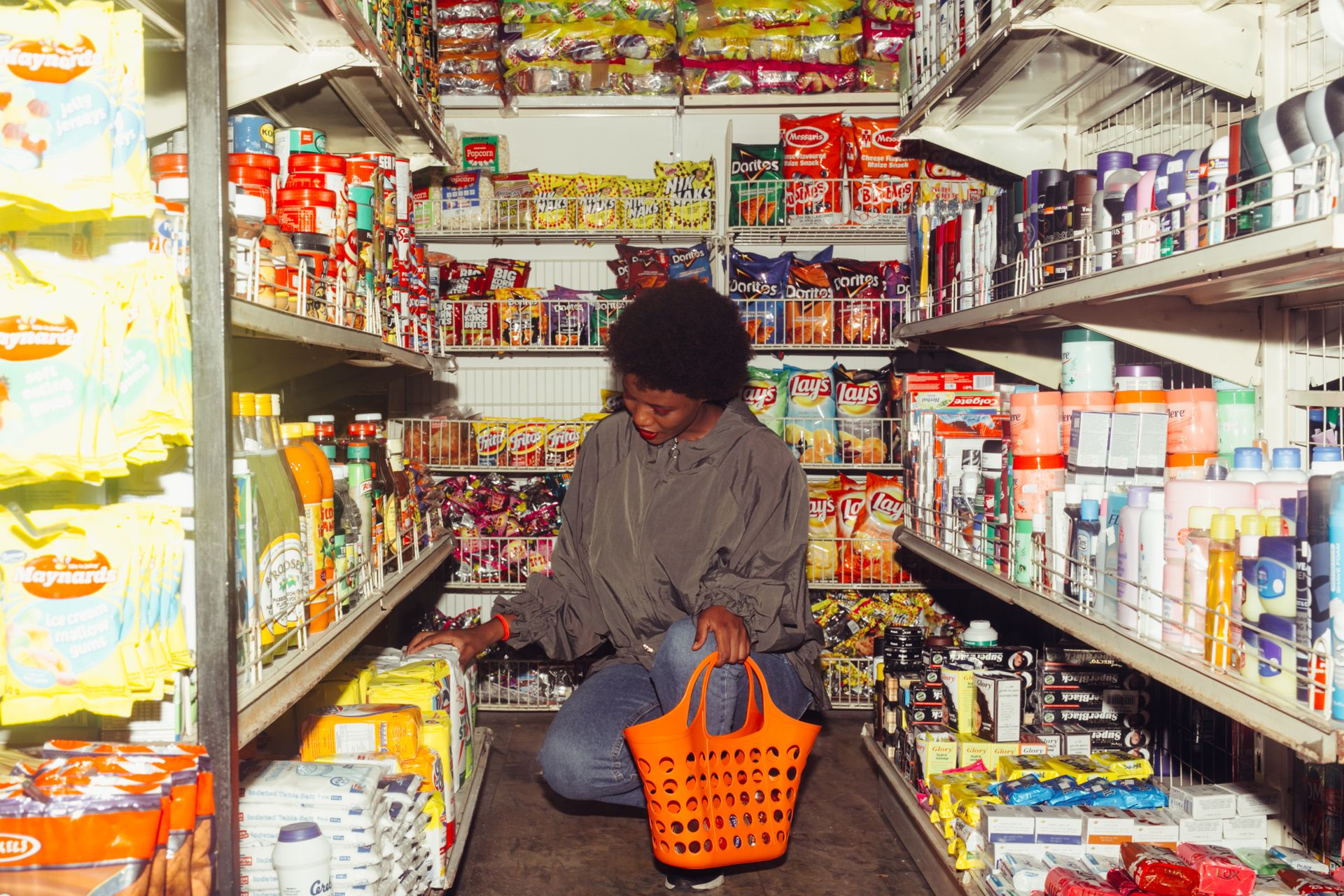
Iran's rial rebounds and Tehran stocks soar, but everyday prices still bite hard for households
Al Jazeera Economy reports the Iranian rial has rallied against the dollar and Tehran's stock exchange has surged 12% after the framework agreement with Washington. However, supermarket prices for staple food and medicines in the capital have not eased significantly in the short term. Iranian economists say the macro improvement will take weeks to feed through to consumer baskets.

US-Iran deal leaves core sticking points unresolved as $300 billion question takes shape
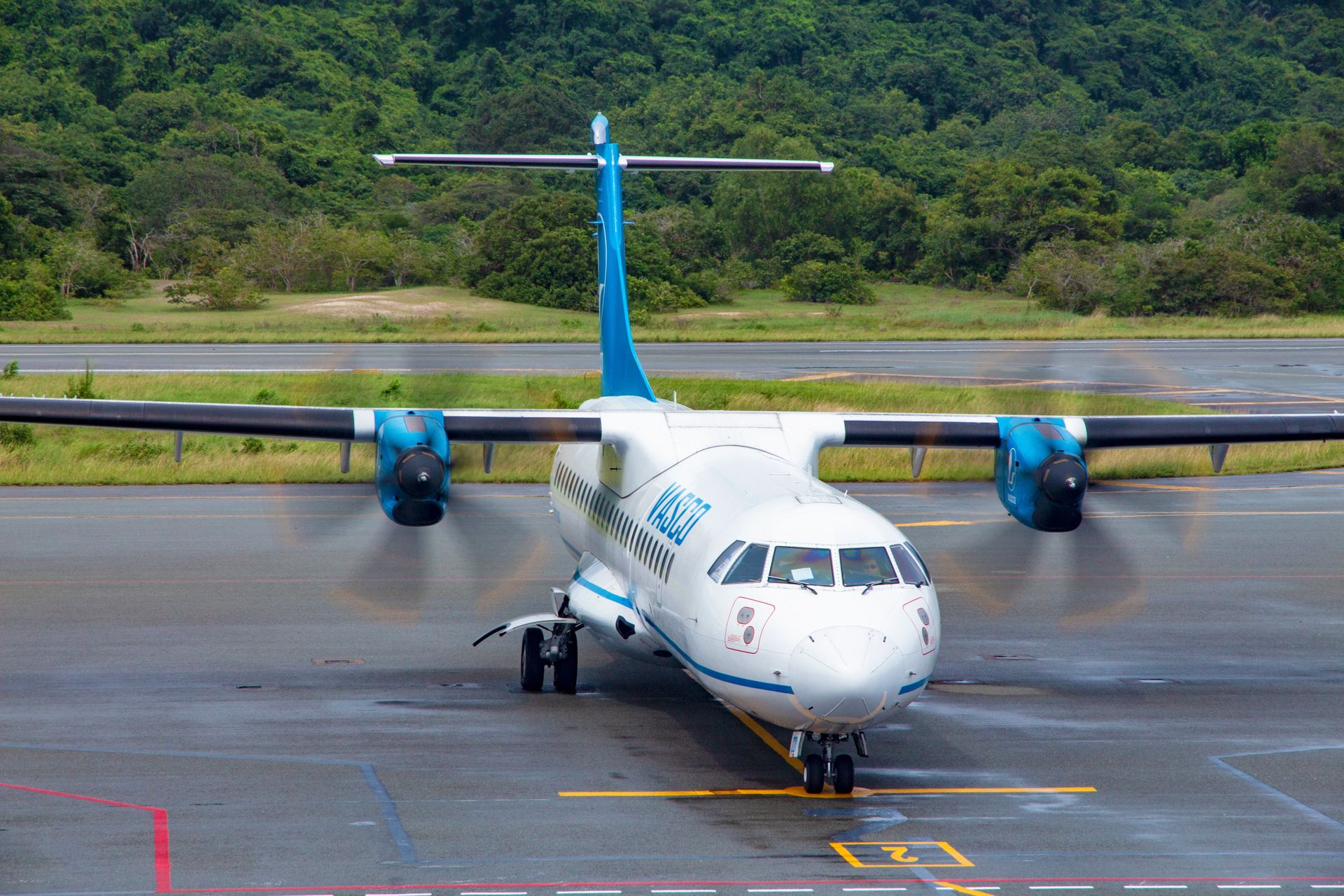
New Zealand regional airline Originair posts 'horrific' year as jet fuel surge bites

Northern Territory smart-meter rollout botched: bills delayed months, government admits failure
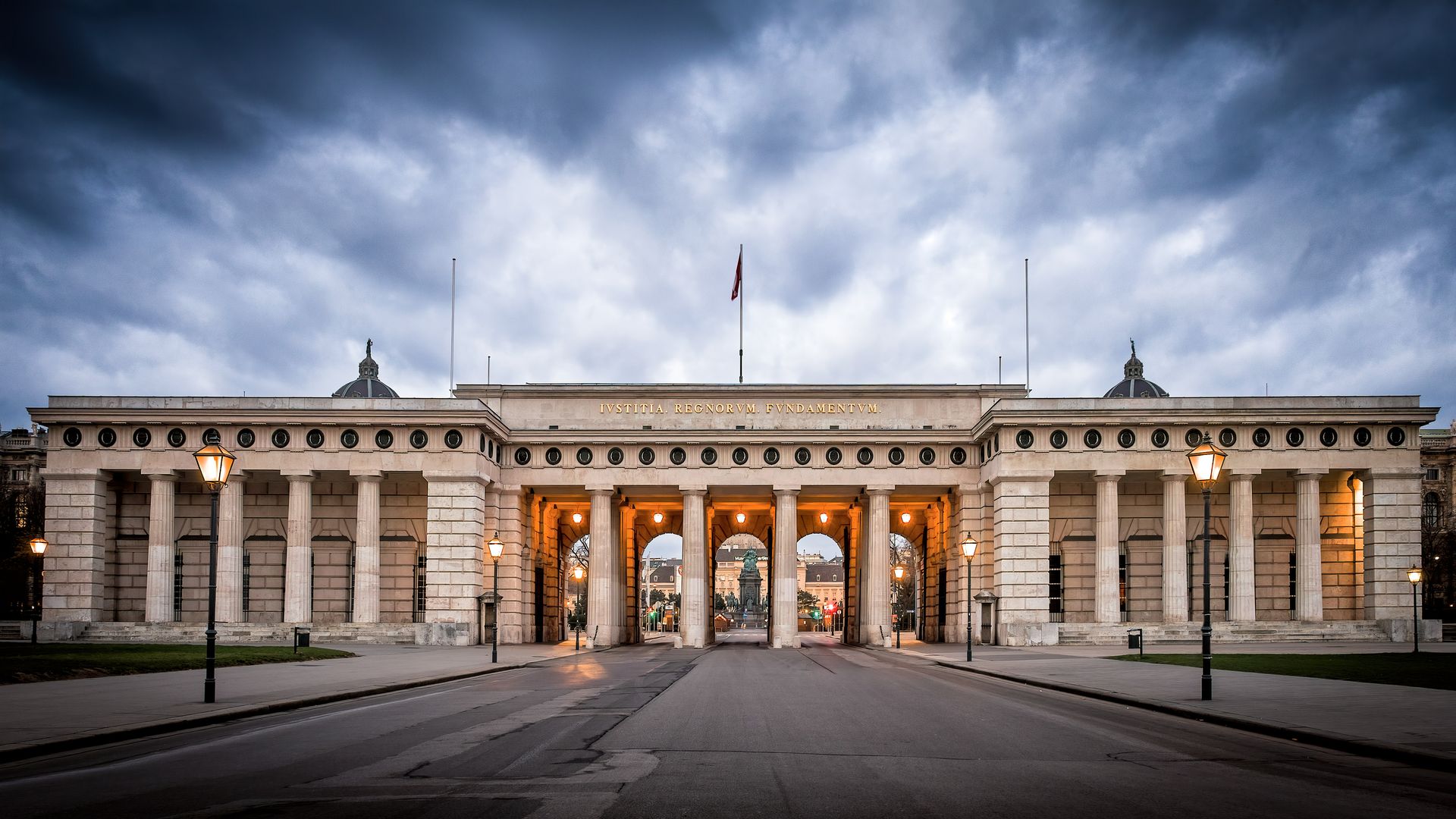
No Taiwan call and no new arms sales: how Trump is preparing to welcome Xi to Washington