China is replacing Middle East oil with Xinjiang coal — what does it mean for the world?
China is accelerating projects that convert vast Xinjiang coal reserves into liquid fuels, hedging against oil disruptions from tensions in the Strait of Hormuz. The move strengthens energy independence but reopens debate over climate costs.

China has sharply expanded coal-to-liquids (CTL) projects in Xinjiang, converting vast coal reserves into liquid fuels. Beijing has announced a target of producing the equivalent of 1.2 million barrels per day of synthetic fuel by end-2026, nearly double its 2019 output level.
The driver behind the move is the recent disruption to tankers passing through the Strait of Hormuz. China imports about 40% of its annual oil from the Gulf, and Beijing now views that share as a strategic vulnerability. New facilities include a major petrochemical complex turning Ordos basin coal into synthetic kerosene for aviation and shipping.
Coal-to-liquids production emits roughly 2.5 times more carbon than conventional oil refining. That puts pressure on China's pledge to reach carbon neutrality by 2060. International energy analysts say Beijing may stretch climate targets in the name of short-term security, while renewed Chinese coal demand could also shift global oil-market balances.
More from Asia
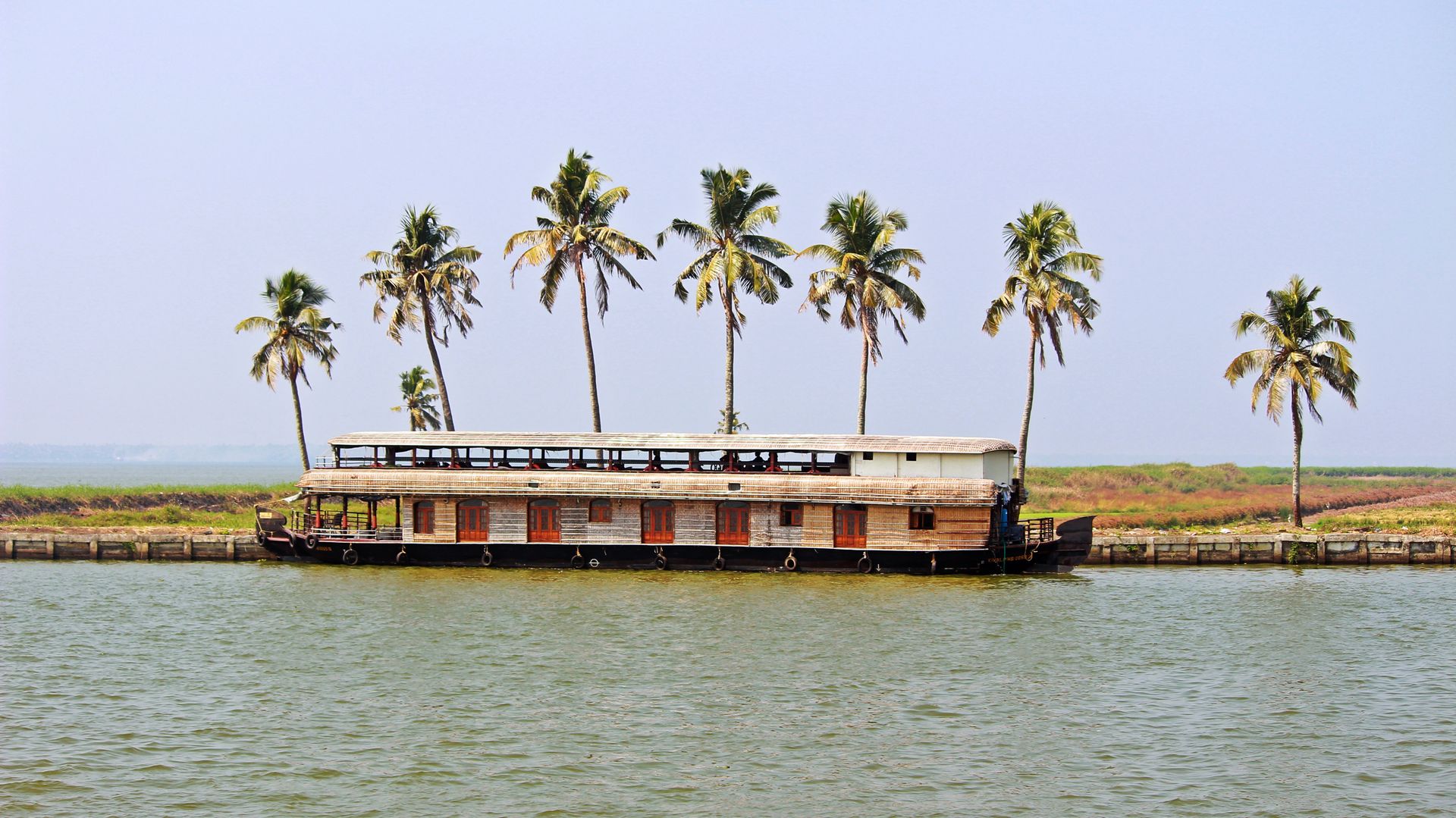
India's job engine strains as Iran war hits remittances and trade
A wave of returning Indian workers from Gulf states has cut remittances by 18 percent in April 2026, with about 1.3 million workers affected. The Kerala and Tamil Nadu state job markets are under added pressure; the Indian government announced a $70 billion emergency economic support package.
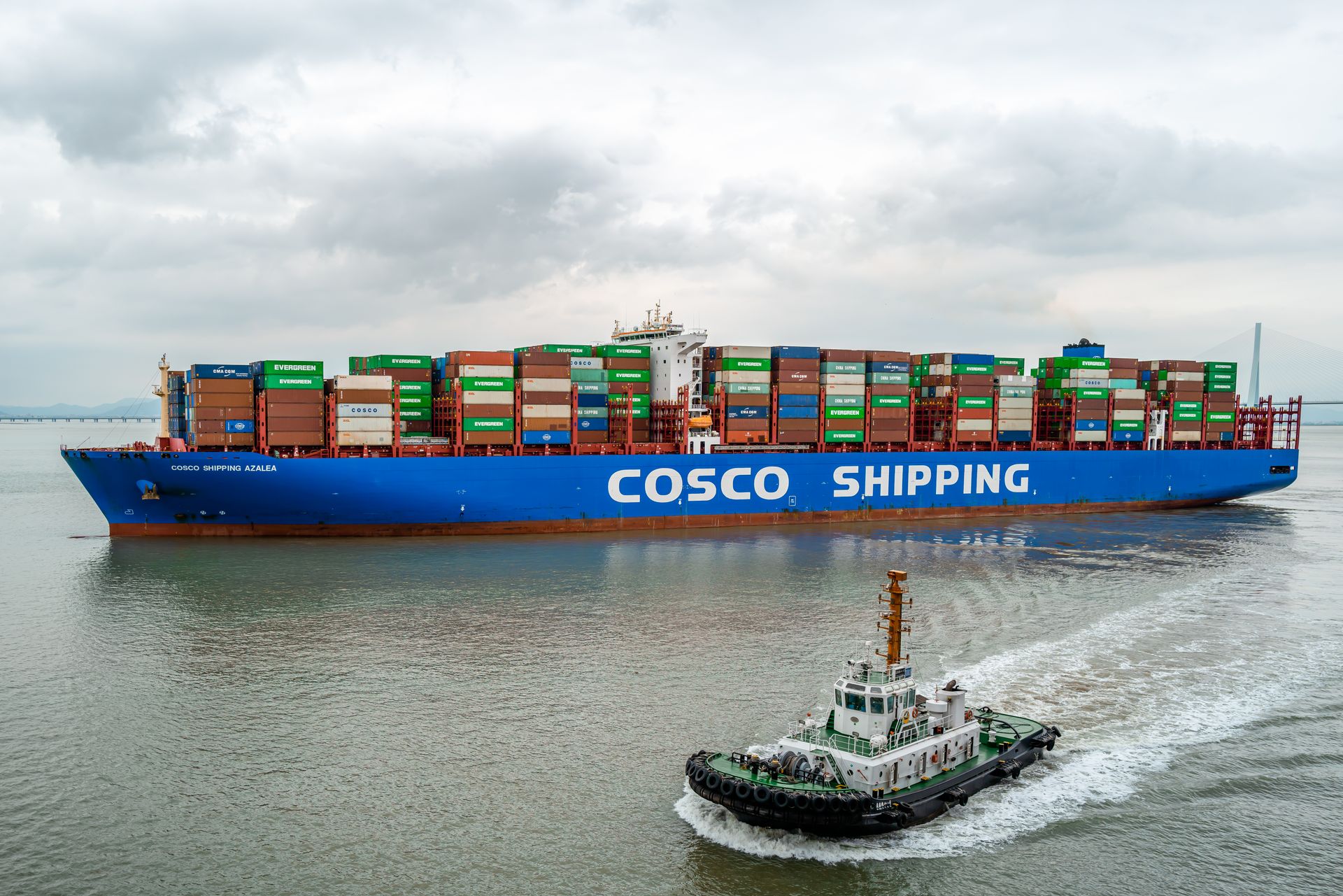
Japan to bolster sea lane defence with Southeast Asia info-sharing plan
Japan will set up a broad maritime information-sharing framework with Southeast Asian countries, led by the Philippines, Vietnam and Indonesia. With the Hormuz crisis and South China Sea tensions in the background, Tokyo is moving to protect critical trade lanes.

China's top diplomat Wang Yi to visit US and Canada to pave way for Xi trip
Chinese Foreign Minister Wang Yi will chair the UN Security Council in New York on May 26 and visit Canada from May 28 to 30. The trip aims to tighten the agenda before President Xi Jinping's planned U.S. visit in September. Beijing has scheduled an extended meeting between Wang and Rubio.