Gulf Economies Face Long-Term Hit From Iran Conflict
A BBC analysis finds that Gulf Cooperation Council (GCC) economies are starting to register lasting losses in investment, tourism and energy exports. Saudi Arabia's Vision 2030 projects and the United Arab Emirates' bid to become a logistics hub are being scaled back as insurance and shipping costs surge.
A month of war between Iran and the United States is starting to leave its first lasting damage on long-term economic planning across the Gulf. The BBC analysis suggests that lead contractors on Saudi Arabia's Vision 2030 investments could push project schedules back by at least six months.
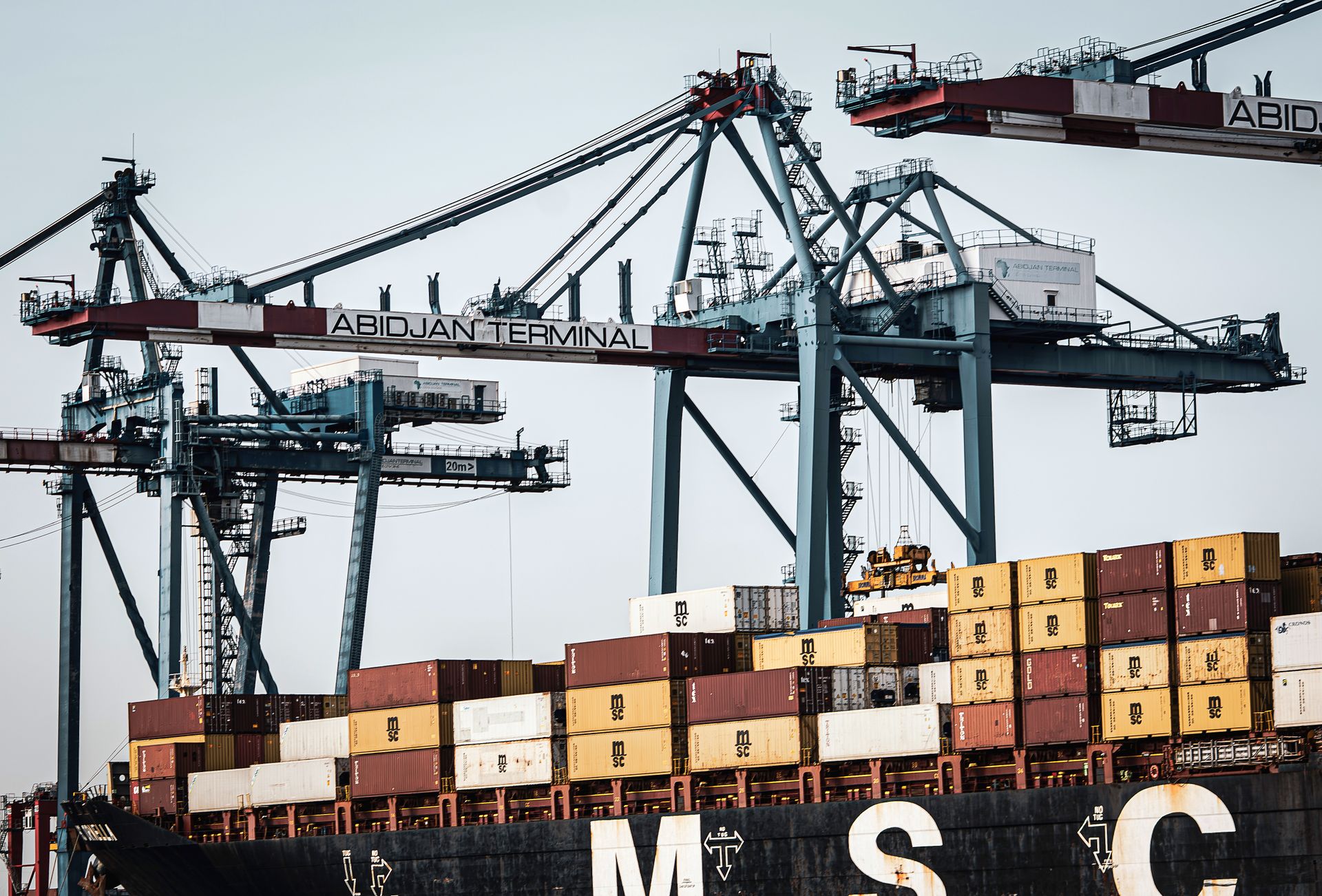
In the United Arab Emirates, the number of large container ships calling at Dubai ports has dropped by 22%. Surging war-risk insurance premiums and longer routings are eroding the country's strategy to position itself as a logistics hub. Qatar is trying to limit losses by redirecting LNG shipments along alternative Asia routes, but transport costs have risen by about $40 per tonne.
At the macro level, the IMF has cut its 2026 growth forecast for the GCC bloc from 3.7% to 2.6%. Energy-dependent economies such as Kuwait and Bahrain are starting to reassess public spending. Regional analysts say that even if Hormuz tensions ease, normalising insurance terms and investor sentiment will take years.
More from Middle East

Trump Pauses Hormuz Plan 50 Hours After Announcing It - What Happened?
Donald Trump's "Project Freedom" operation, announced to secure shipping through the Strait of Hormuz, was put on hold just 50 hours after it was unveiled. BBC sources cite Chinese pressure, Saudi-led diplomacy and divisions inside the Pentagon as the drivers behind this rapid climbdown.

Iran's IRGC Warns US Against Ship Attacks as Israel Bombs Lebanon
Iran's Revolutionary Guards have explicitly warned the United States against any attack on shipping, while Israel struck targets in southern Lebanon, keeping regional military tension high despite continuing diplomatic efforts.
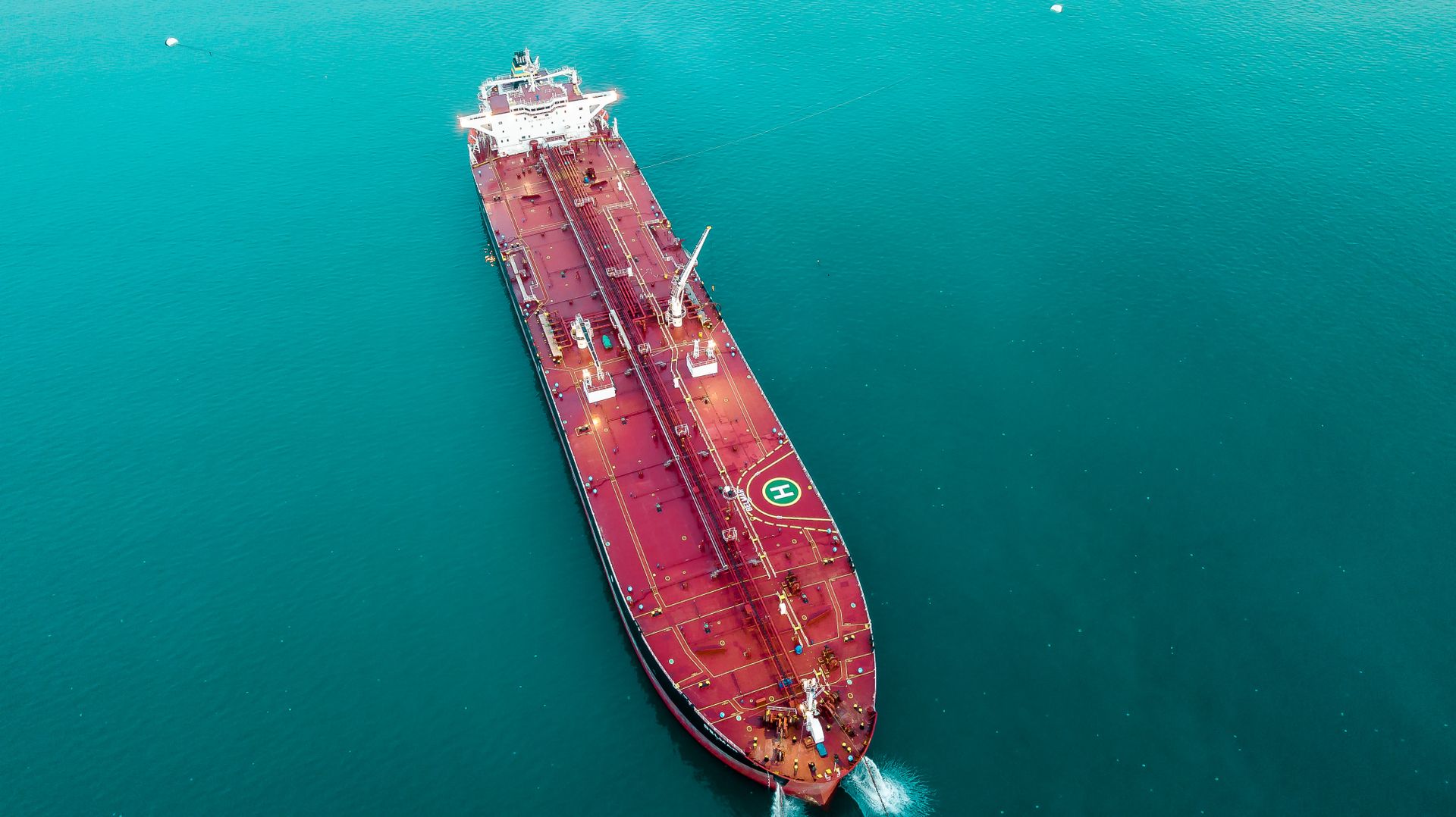
Bowen: Strait of Hormuz standoff raises risk of sliding back into all-out war
BBC correspondent Jeremy Bowen warns that the US and Iran's mutual pressure in the Strait of Hormuz has put the fragile ceasefire at serious jeopardy, risking a return to full-scale conflict.