Post-apartheid South Africa: 50 years after Soweto, what has changed?
On the 50th anniversary of the Soweto student uprising, South Africa is taking stock on education, income inequality, and the emergence of a Black middle class. Al Jazeera's analysis examines the gaps in economic transformation that have persisted under ANC rule.
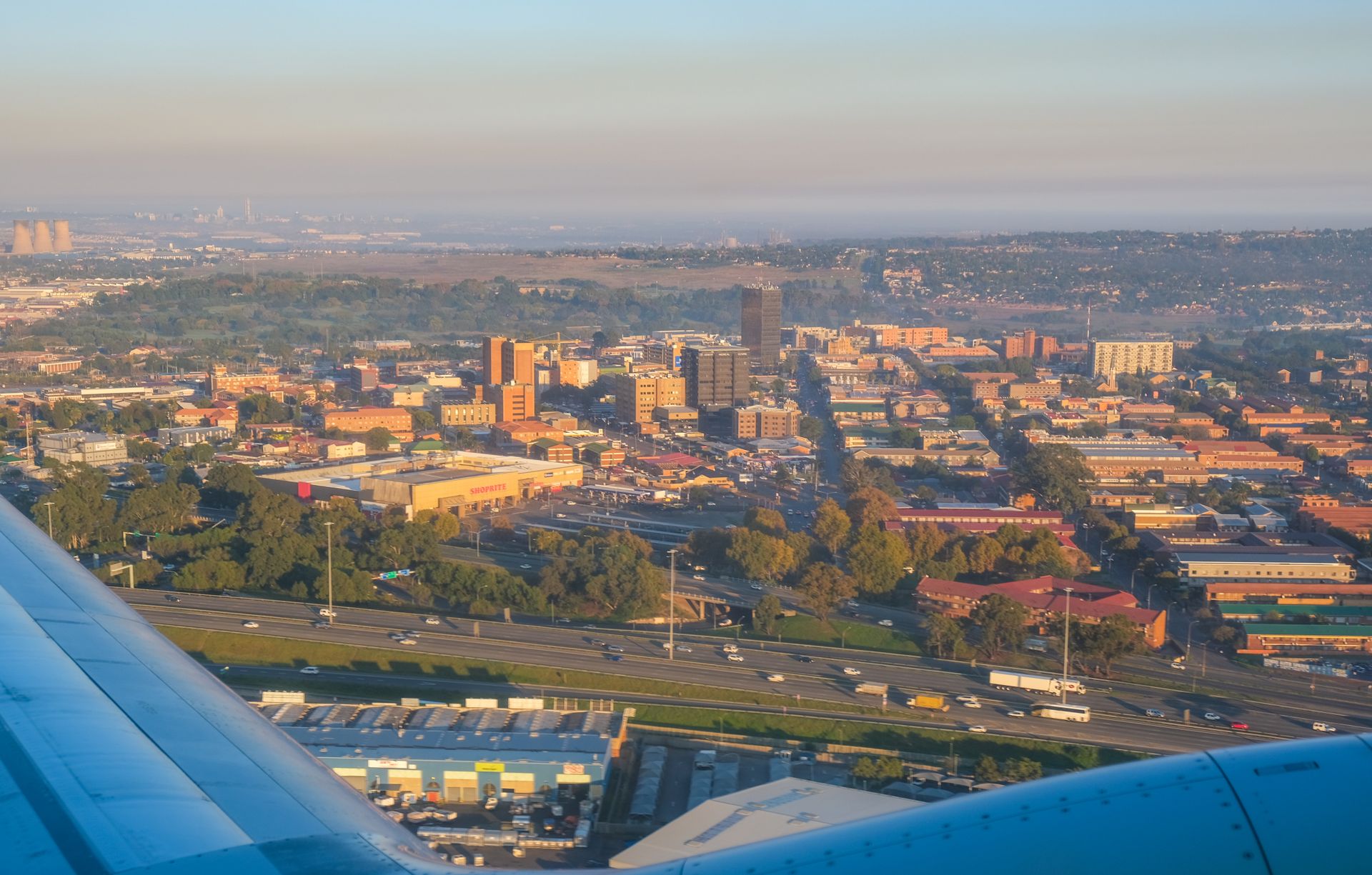
Al Jazeera's analysis examines South Africa's socioeconomic record on the 50th anniversary of the Soweto student uprising. Significant gains in education access and literacy are recorded, but unemployment, particularly among young people, remains among the world's highest, and income inequality ranks above global averages.
The Black middle class that emerged after apartheid has grown but spread across the base less than expected. ANC government policy is under scrutiny on land reform and energy security, where Eskom's recurring blackouts have weakened industry's international competitiveness.
International investors are watching South Africa's infrastructure, energy transition, and mining-transformation reforms closely. The anniversary serves as a critical reference point both symbolically and for the political agenda heading into election season. Not investment advice.
Read next
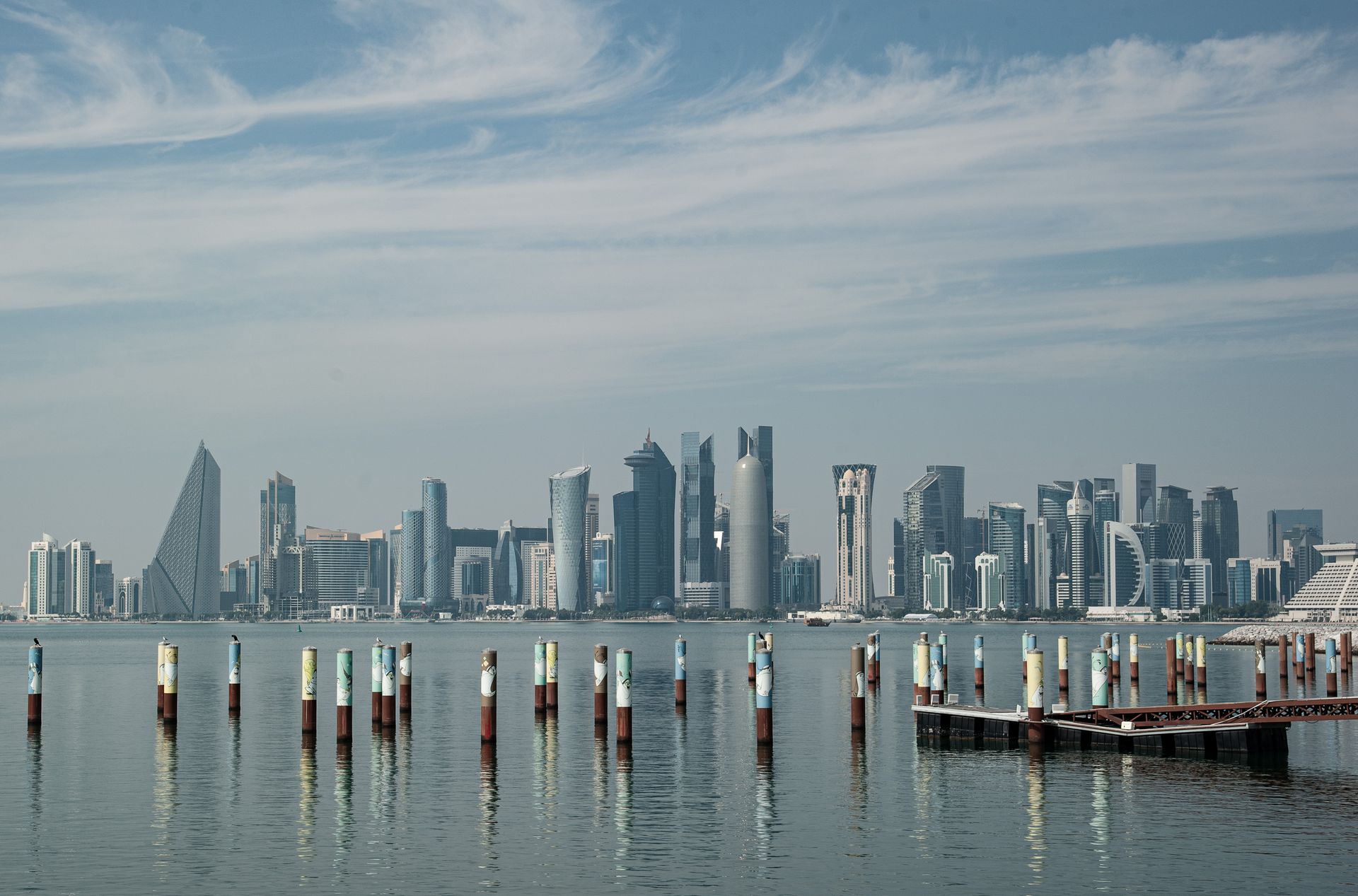
Qatar renews mediation push for regional stability after US-Iran deal
Qatar said it is renewing its mediation push on regional stability files, including Lebanon, Gaza, and the Strait of Hormuz, in the wake of the US-Iran deal. Al Jazeera reported that Doha is reinforcing multi-channel diplomacy across the region.

Tehran sells US deal as victory, but for ordinary Iranians it was a necessity
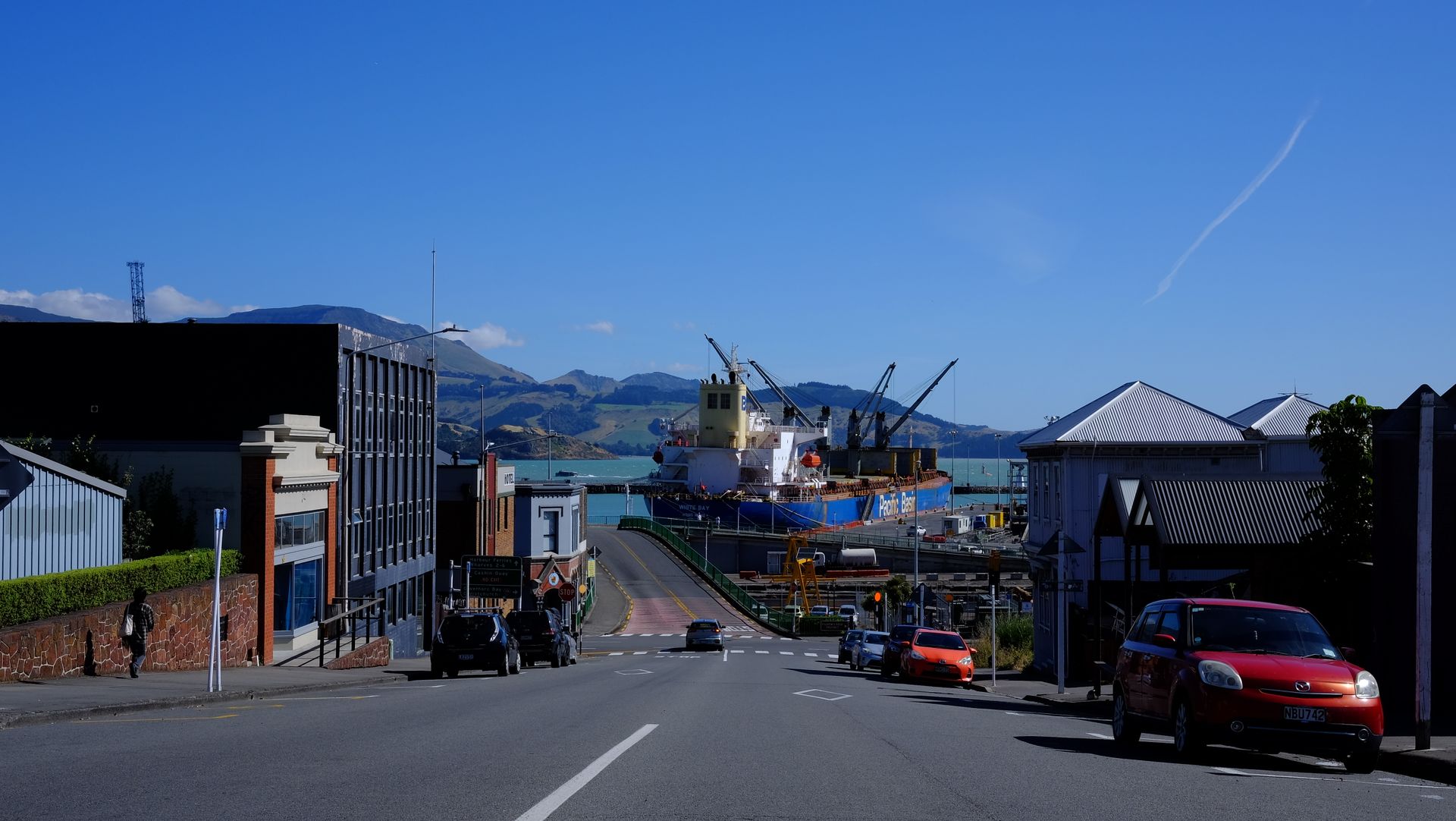
Bay of Plenty becomes New Zealand's top-ranked regional economy

Victoria Premier Jacinta Allan refuses to disclose cost of CFMEU corruption to taxpayers
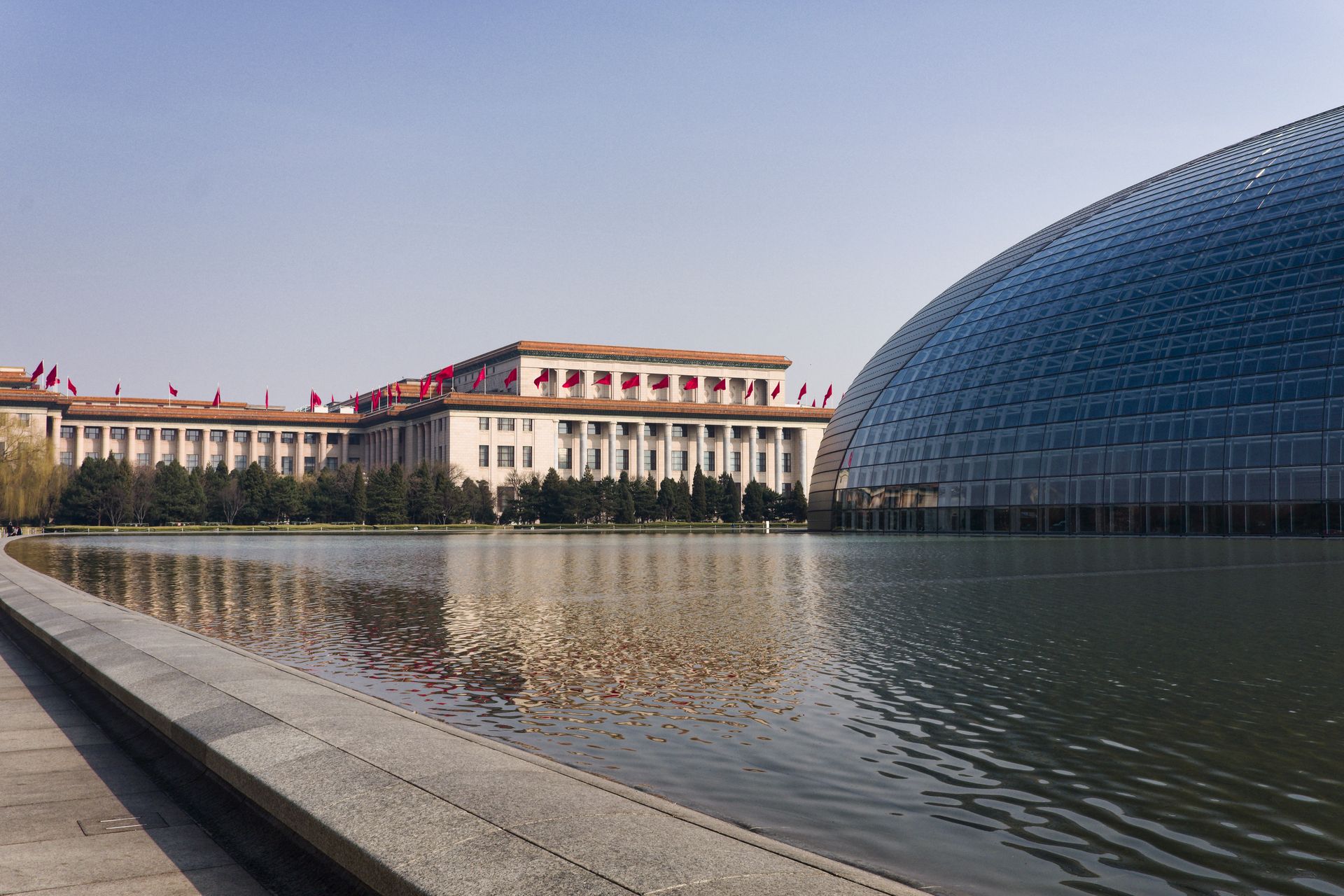
China's Xi vows support for Myanmar as Min Aung Hlaing seeks to break isolation