India's cash-transfer boom eases poverty pressure but strains state and central budgets
Cash-transfer schemes from India's central and state governments are easing pressure on poor households but adding to the strain on public finances. According to a BBC Asia analysis, experts are questioning the schemes' long-term sustainability and effectiveness.
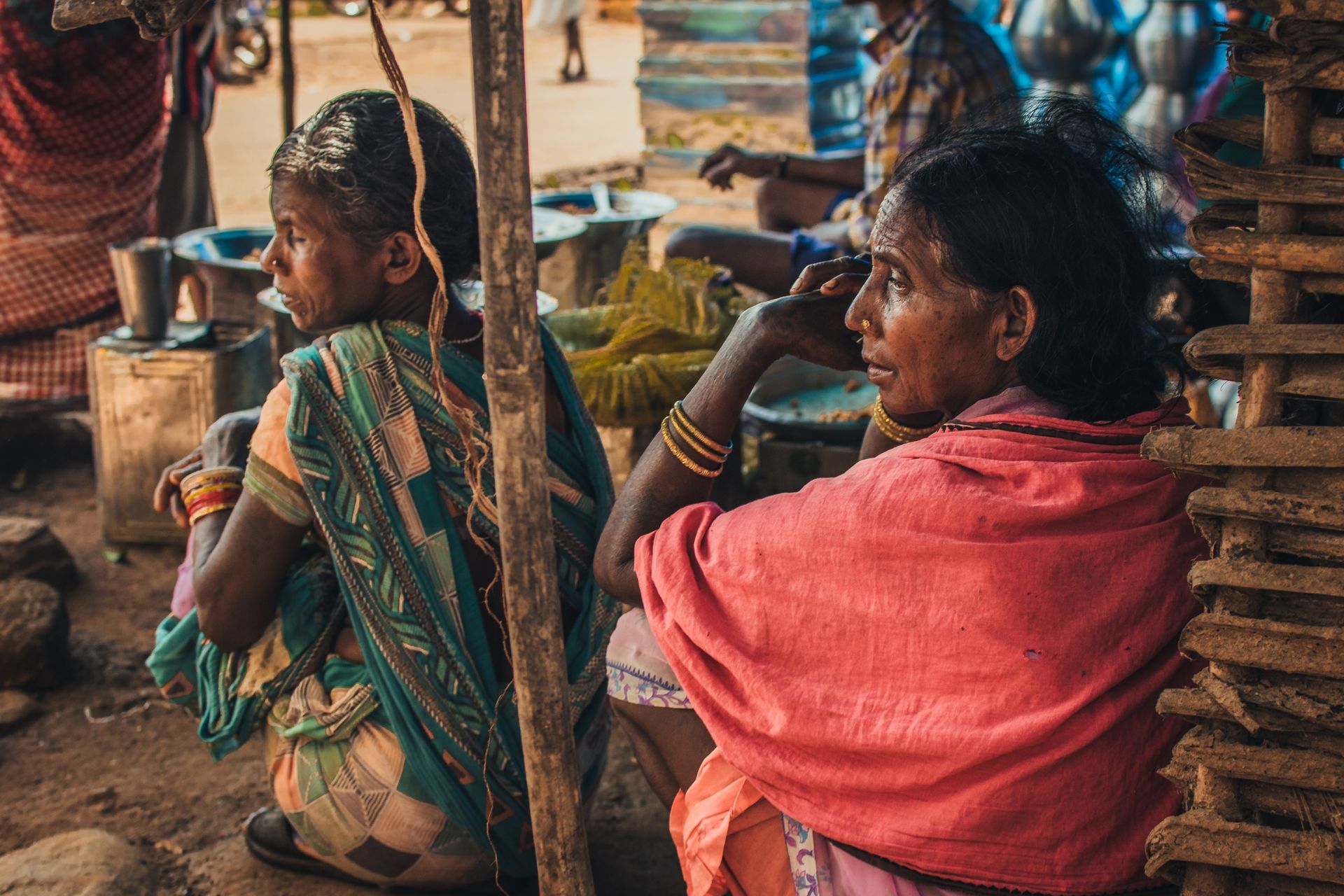
Direct cash-transfer programmes run by India's central government and states have expanded rapidly in both scope and budget over the last three years. Data compiled by BBC Asia shows that the schemes have had a clear impact for women, smallholder farmers and low-income households. Officials say the payments have contributed meaningfully to a decline in the poverty index.
Economists, however, say the transfers are tightening both the central budget and the fiscal balance of many state governments. A recent Reserve Bank of India (RBI) report found that the share of state spending dedicated to social transfers is approaching 30 percent, crowding out infrastructure and health outlays.
The federal planning think-tank NITI Aayog argues that the schemes could be made more efficient through better targeting and digital-payment plumbing. Upcoming budget talks are expected to revisit payment frequency, means-testing rules and centre-state contribution ratios.
Read next

Iran warns of 'reciprocal action' if US fails to honour MOU commitments
Iran's foreign ministry warned of "reciprocal action" if Washington fails to honour the commitments in the preliminary US-Iran memorandum of understanding (MOU), Al Jazeera reported. Tehran is seeking clarity from Washington on the timing and scale of sanctions relief. Sunday's technical session in Switzerland is critical.

Israel and Hezbollah continue strikes despite formal ceasefire agreement

Calls for higher New Zealand pension rates grow as cost of living squeezes retirees

Australia confirms first H5N1 bird flu case as virus reaches every continent

Russia frees 24 Filipinos after Marcos speaks with Putin in direct diplomatic call
