Why fructose doesn't fill you up: the sugar-and-hunger science explained
Sugar is not a single thing. The two simplest sugars in the diet, glucose and fructose, are chemical cousins that the body handles in strikingly different ways. New research summarised by Science Daily adds an important detail to that story: glucose helps switch off hunger, while fructose largely fails to, a contrast that may shape how much people end up eating.
The appetite is governed in part by circuits deep in the brain, particularly in the hypothalamus, which weigh incoming signals about the body's energy state and decide whether to encourage or suppress eating. According to the research, glucose feeds into those circuits in a way that registers as satisfaction. Fructose, by comparison, does not seem to deliver the same off-switch.
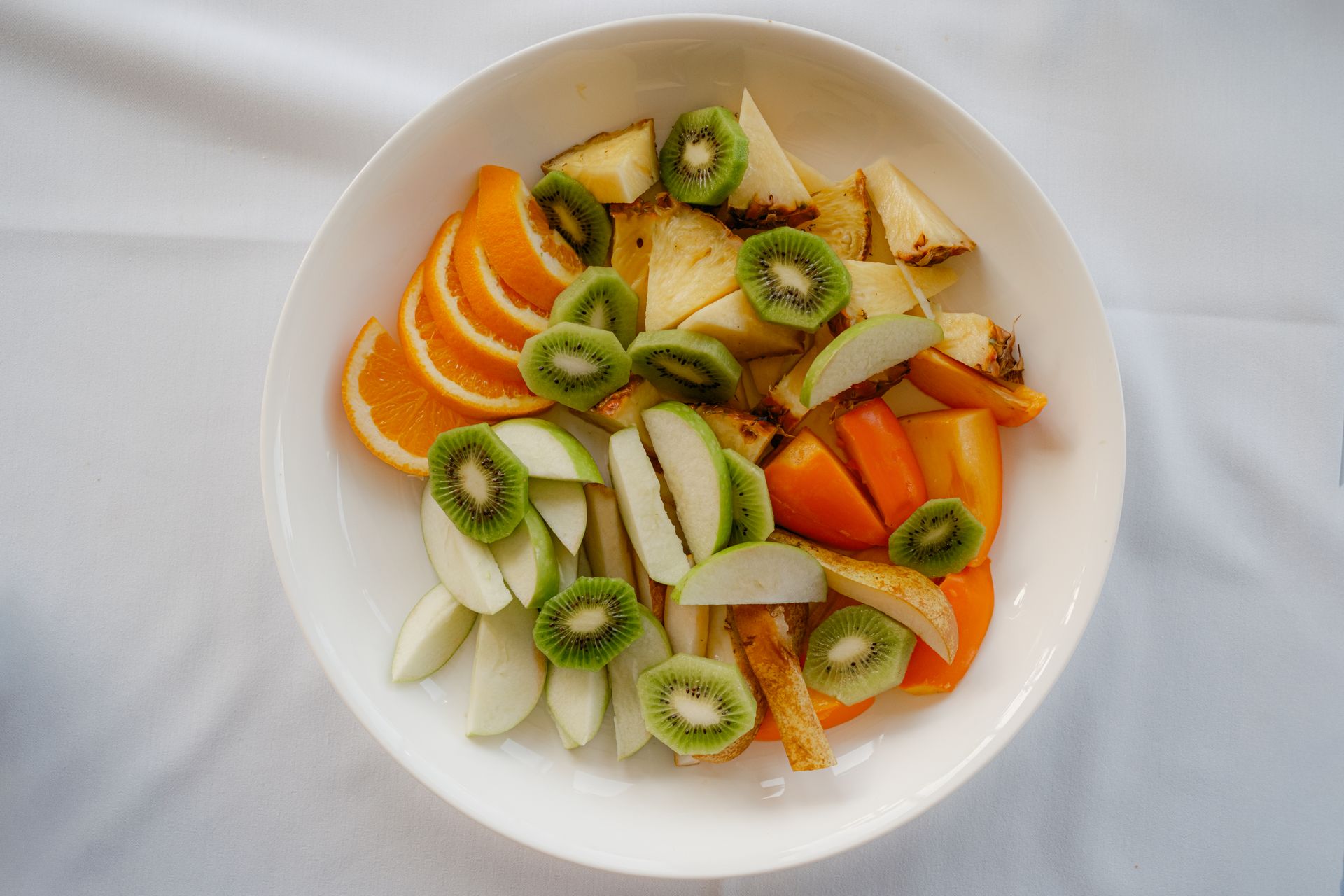
That asymmetry has practical weight because fructose is everywhere in the modern diet. It occurs naturally in fruit, where it arrives bundled with fibre and water, but it is also abundant in added sugars and in the sweeteners used across processed foods and drinks. When fructose is consumed in concentrated, fibre-free forms, the body receives the calories without the usual brake on appetite.
The researchers, as reported, examined how the two sugars act on the neural machinery that tracks hunger. Glucose appeared to dampen the activity that drives feeding, nudging the system toward fullness. Fructose left that activity comparatively unchanged, so the urge to keep eating persisted even after calories had been delivered.
This fits with a broader pattern that nutrition scientists have noted for years. Diets heavy in fructose-sweetened products are associated with higher overall calorie intake, and one plausible reason is that such products do little to signal that enough has been eaten. The new work offers a mechanistic account of why that might be, locating the difference in how the brain itself responds.
It is worth stressing what the findings do not say. They do not single out whole fruit as a problem. The fructose in an apple or a handful of berries comes packaged with fibre that slows digestion and with a volume of food that promotes fullness on its own. The concern raised by the research applies far more to concentrated added sugars than to fruit eaten in its natural form.
Nor does the research recast fructose as uniquely toxic. All sugars supply energy, and the body has well-developed pathways for using fructose. The point is narrower and more interesting: the same number of calories can have different effects on appetite depending on which sugar delivers them, because the brain does not treat them identically.
For everyday eating, the implication lines up with familiar advice rather than overturning it. Foods and drinks with large amounts of added fructose can be easy to overconsume precisely because they are less filling per calorie. Whole foods that arrive with fibre and water tend to satisfy more effectively, which is one reason they feature so prominently in dietary guidance.
The study also illustrates how much of appetite is biology rather than mere discipline. The sense of having eaten enough is not purely a matter of willpower; it depends on chemical signals reaching the brain and being interpreted correctly. When a food bypasses those signals, eating more is a predictable response, not a personal failing.
As with most single studies, the sensible reading is cautious. The work deepens understanding of a mechanism rather than prescribing a diet, and further research will refine the picture. But the core lesson is durable and useful: not all sugars register the same way, and the form in which fructose arrives, concentrated or whole, may matter as much as the amount.
Read next

What's next for mRNA medicine: a Moderna co-founder on cancer vaccines and beyond
In an interview with STAT News, Moderna co-founder Kenneth Chien laid out his view of where mRNA technology goes next, from cancer vaccines to regenerative medicine. His comments offer a window into the science behind one of the most discussed platforms in medicine.

NHS maternity care: inquiry demands a national overhaul of services in England
A major inquiry into NHS maternity care in England has called for a sweeping overhaul, warning that services cannot continue as they are, the BBC reports. The findings add to mounting pressure to address repeated failings in maternity safety.

Sword Health to provide AI-supported physical therapy for an entire country
Digital health company Sword Health has agreed to offer AI-supported physical therapy across Portugal, according to STAT News. The deal is an unusually large test of whether technology-guided rehabilitation can work at national scale.

Vehicle emissions and health: what a new US study reveals about the hidden death toll
A new study reported by the Guardian estimates that toxic vehicle emissions are linked to roughly five deaths every hour in the United States. The figure underscores how traffic pollution acts as a chronic, largely invisible driver of disease.
Belly fat and ageing: what new research reveals about why it accumulates
Researchers have identified a population of fat-cell precursors that becomes far more active with age, helping explain why abdominal fat expands over time even without weight gain. The findings, reported by Science Daily, were drawn from laboratory models and human cell samples.