Vehicle emissions and health: what a new US study reveals about the hidden death toll

Air pollution rarely kills in a way that makes the news. There is no single moment, no identifiable victim at the roadside, only a slow statistical toll spread across millions of people. A new study reported by the Guardian tries to put a number on that toll, estimating that toxic emissions from vehicles are linked to around five deaths every hour in the United States.
The figure is an estimate rather than a body count, derived from models that connect levels of traffic pollution to rates of disease and death across the population. According to the Guardian's account, the researchers attributed tens of thousands of deaths a year to the pollutants produced by cars, trucks and other road vehicles, a burden that accumulates quietly year after year.
The pollutants in question are familiar to anyone who has stood near a busy road. Burning fuel releases fine particulate matter, tiny particles small enough to lodge deep in the lungs and pass into the bloodstream, along with nitrogen oxides and other reactive gases. Over years of exposure, these contribute to heart disease, stroke, respiratory illness and other conditions.
What makes traffic pollution insidious is precisely that it is chronic and diffuse. A single drive does not register as harm, and the air near a road can look perfectly clear. The damage shows up only at the level of populations, in slightly elevated rates of illness that, multiplied across a country, translate into a large absolute number of early deaths.
The study, as described, also speaks to questions of fairness. Pollution from roads does not fall evenly. People who live close to major highways and busy urban corridors tend to breathe more of it, and those communities are often poorer and less able to move away. The health burden therefore tracks, in part, where people happen to live.
Research of this kind feeds directly into policy debates about transport and clean air. Measures that reduce tailpipe emissions, from tighter vehicle standards to the shift toward electric vehicles and investment in public transit, are partly justified on health grounds. Putting a number on the deaths attributed to current pollution levels helps weigh those measures against their costs.
It is important to read the estimate for what it is. Attributing deaths to air pollution involves statistical modelling, not death certificates that name exhaust fumes as the cause. Different methods can yield different totals, and the Guardian's report reflects one such analysis. The broad finding, that traffic pollution causes substantial harm, is nonetheless well supported across the wider scientific literature.
For individuals, the options are limited but not zero. Exposure can be reduced somewhat by avoiding heavy traffic where possible, ventilating homes thoughtfully and supporting cleaner local transport. But the scale of the problem is structural, shaped by how cities are built and how people move around them, which is why public-health experts tend to frame it as a matter for policy rather than personal choice alone.
The study lands amid wider debate about environmental regulation, including the future of clean-air rules. Estimates like this one are often cited precisely because they translate an abstract environmental issue into a tangible human cost, making the stakes of regulatory decisions easier to grasp.
The larger takeaway is a reframing. Vehicle emissions are usually discussed in terms of climate, but they are also a present-day health issue with a measurable death toll. The new figure, however it is refined by future work, is a reminder that the air alongside the world's roads carries consequences that extend well beyond the planet's temperature.
Read next

What's next for mRNA medicine: a Moderna co-founder on cancer vaccines and beyond
In an interview with STAT News, Moderna co-founder Kenneth Chien laid out his view of where mRNA technology goes next, from cancer vaccines to regenerative medicine. His comments offer a window into the science behind one of the most discussed platforms in medicine.

NHS maternity care: inquiry demands a national overhaul of services in England
A major inquiry into NHS maternity care in England has called for a sweeping overhaul, warning that services cannot continue as they are, the BBC reports. The findings add to mounting pressure to address repeated failings in maternity safety.

Sword Health to provide AI-supported physical therapy for an entire country
Digital health company Sword Health has agreed to offer AI-supported physical therapy across Portugal, according to STAT News. The deal is an unusually large test of whether technology-guided rehabilitation can work at national scale.

Why fructose doesn't fill you up: the sugar-and-hunger science explained
Glucose tends to quiet hunger, but fructose appears to leave the appetite switch untouched, according to research summarised by Science Daily. The difference may help explain why fructose-rich diets are linked to overeating, and it points to how the brain reads different sugars.
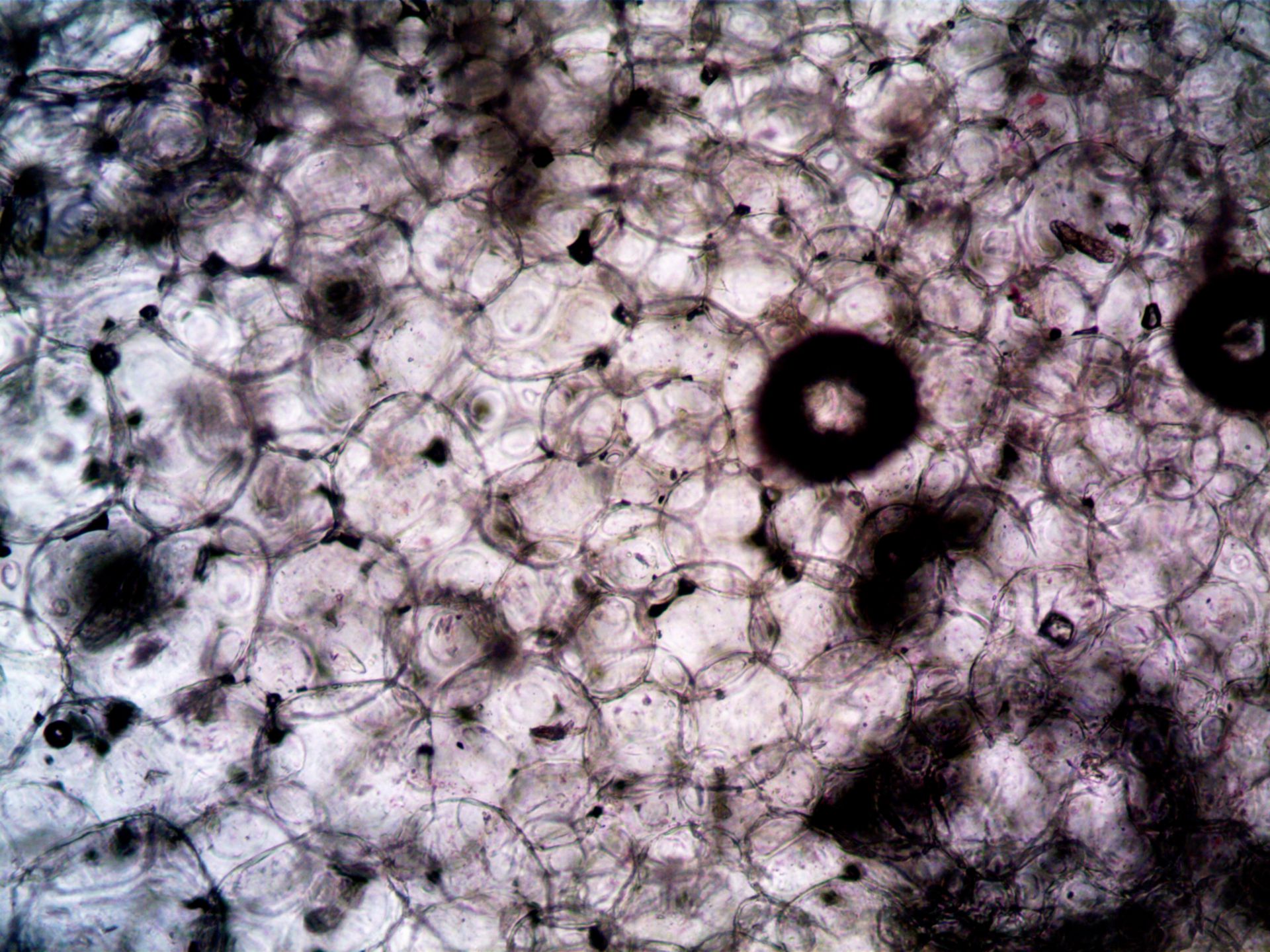
Belly fat and ageing: what new research reveals about why it accumulates
Researchers have identified a population of fat-cell precursors that becomes far more active with age, helping explain why abdominal fat expands over time even without weight gain. The findings, reported by Science Daily, were drawn from laboratory models and human cell samples.