Belly fat and ageing: what new research reveals about why it accumulates
Most people notice it eventually: the waistline thickens with the years even when the diet and the bathroom scale stay roughly the same. New research summarised by Science Daily offers a biological explanation for that familiar shift, pointing to a specific population of fat-cell precursors that quietly changes behaviour as the body ages.
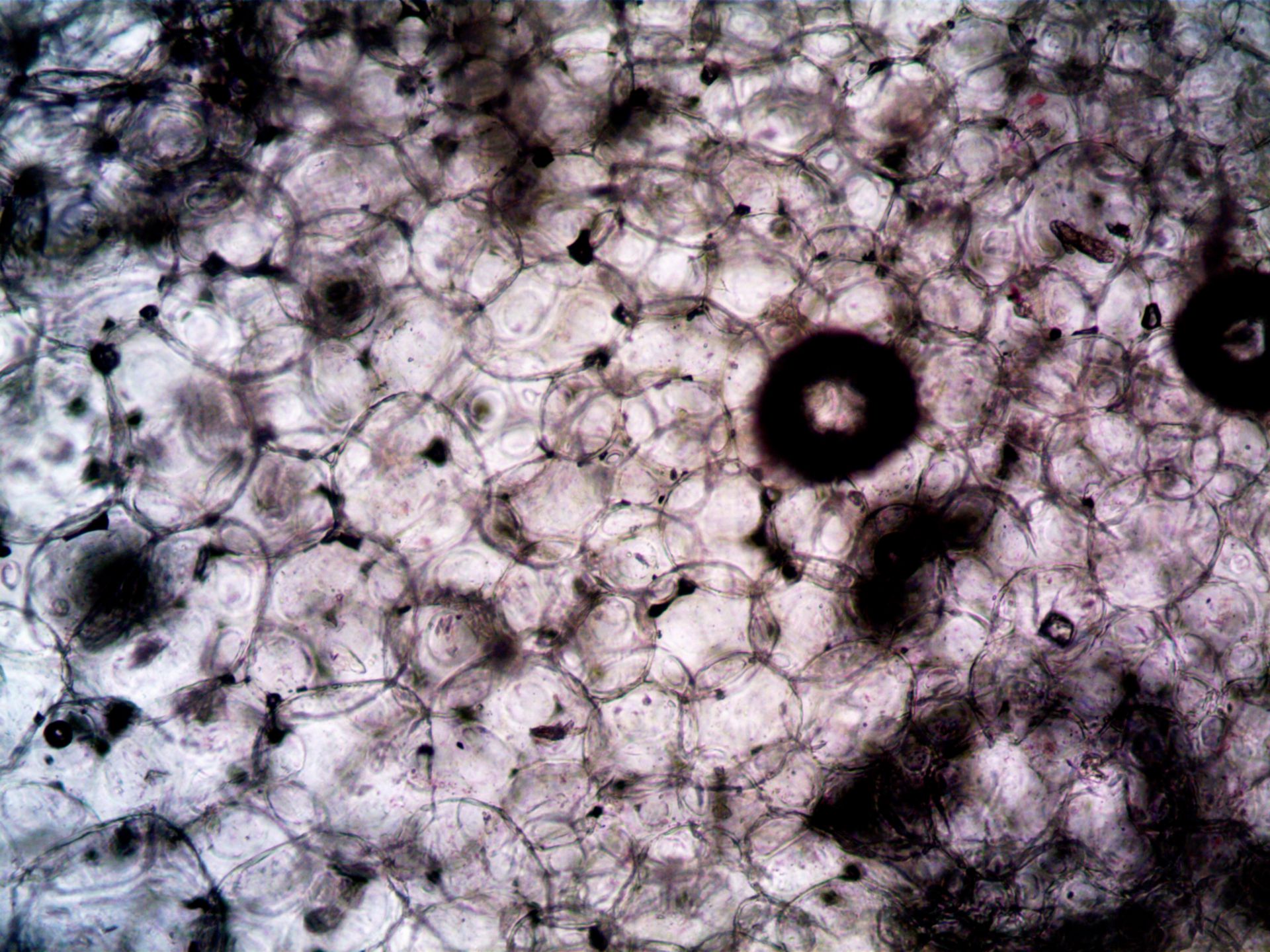
Fat tissue is not the inert padding it was once assumed to be. It is a living, renewing organ, populated by progenitor cells that can mature into the adipocytes that store energy. According to the research, the number and activity of these precursors do not stay constant across a lifetime. Instead, a particular group of them appears to ramp up in middle age, producing new fat cells more readily than before.
The study focused on visceral fat, the deep abdominal tissue that wraps around internal organs. This is the fat that clinicians worry about most, because it is more strongly associated with metabolic problems than the fat sitting just beneath the skin. The researchers reported that the precursor cells driving its expansion become markedly more aggressive with age.
Crucially, the team found this pattern in both laboratory models and in samples of human cells, which strengthens the case that the mechanism is not merely an artefact of one experimental system. Science Daily noted that the precursors seemed to switch into a higher gear specifically during the middle years of life, rather than declining gracefully as many other cell populations do.
The finding helps resolve a long-standing puzzle. For decades the standard assumption was that adults carry a more or less fixed number of fat cells, and that weight gain simply reflects existing cells swelling with stored lipid. The new work suggests that the body can, in fact, manufacture fresh fat cells in adulthood, and that it does so more enthusiastically in the abdomen as the years pass.
That distinction matters for how the problem might eventually be addressed. If age-related belly fat were only a matter of existing cells enlarging, the obvious levers would be diet and exercise. If, instead, a renewing population of precursors is generating new cells, then therapies aimed at that population could one day offer an additional route, at least in principle.
The researchers were careful, as reported, not to overstate the immediate clinical implications. Identifying a cell population in the laboratory is a long way from a treatment that can be safely prescribed. Any intervention that interfered with fat-cell formation would need to clear a high bar for safety, because adipose tissue plays essential roles in hormone signalling and energy storage.
Still, the work reframes how scientists think about a near-universal feature of getting older. Rather than treating midlife weight changes as a simple failure of willpower or metabolism, the research locates part of the cause in a cellular programme that shifts with age, largely outside conscious control.
For readers, the practical message is more modest than any headline about a cure. The established advice has not changed: regular physical activity, adequate sleep, and a diet that limits ultra-processed foods remain the best-supported tools for managing abdominal fat. What the new science adds is context, an explanation for why those tools seem to work less effortlessly at fifty than at twenty-five.
The broader value of studies like this lies in mapping the machinery. Understanding exactly which cells expand visceral fat, and when they do it, gives researchers a precise target to study further. Whether that knowledge eventually translates into therapy will depend on years of additional work, but the map is now a little more detailed than it was.
Read next

What's next for mRNA medicine: a Moderna co-founder on cancer vaccines and beyond
In an interview with STAT News, Moderna co-founder Kenneth Chien laid out his view of where mRNA technology goes next, from cancer vaccines to regenerative medicine. His comments offer a window into the science behind one of the most discussed platforms in medicine.

NHS maternity care: inquiry demands a national overhaul of services in England
A major inquiry into NHS maternity care in England has called for a sweeping overhaul, warning that services cannot continue as they are, the BBC reports. The findings add to mounting pressure to address repeated failings in maternity safety.

Sword Health to provide AI-supported physical therapy for an entire country
Digital health company Sword Health has agreed to offer AI-supported physical therapy across Portugal, according to STAT News. The deal is an unusually large test of whether technology-guided rehabilitation can work at national scale.

Vehicle emissions and health: what a new US study reveals about the hidden death toll
A new study reported by the Guardian estimates that toxic vehicle emissions are linked to roughly five deaths every hour in the United States. The figure underscores how traffic pollution acts as a chronic, largely invisible driver of disease.

Why fructose doesn't fill you up: the sugar-and-hunger science explained
Glucose tends to quiet hunger, but fructose appears to leave the appetite switch untouched, according to research summarised by Science Daily. The difference may help explain why fructose-rich diets are linked to overeating, and it points to how the brain reads different sugars.