Sword Health to provide AI-supported physical therapy for an entire country

Physical therapy is one of medicine's most labour-intensive corners. It depends on trained clinicians watching patients move, correcting their form and coaxing them through weeks of repetitive exercise. Sword Health, a digital health company, is now betting that artificial intelligence can extend that care to an entire population, after agreeing a deal to provide AI-supported physical therapy across Portugal, as reported by STAT News.
The arrangement is notable for its scope. Most digital health pilots are confined to a single employer, insurer or hospital system. A nationwide deployment is a far larger commitment, and a far larger test of whether software-guided rehabilitation can hold up outside the controlled conditions of a trial.
Sword Health's model, broadly, pairs patients with exercise programmes they perform at home while sensors and software track their movements. The technology offers real-time feedback on form and progress, with human clinicians supervising remotely and stepping in when needed. The pitch is that this combination can reach people who would otherwise struggle to access in-person therapy.
The appeal of that model is easy to understand. Musculoskeletal complaints, from back pain to joint problems, are among the most common reasons people seek care, and they generate enormous costs. Waiting lists for physiotherapy can be long, clinics are unevenly distributed, and many patients drop out of programmes before completing them. A system that lets people exercise at home with guidance could, in principle, widen access and improve adherence.
Doing it at national scale, however, raises hard questions. A country's population is far more varied than the relatively healthy, motivated users who often enrol in early digital health programmes. Older patients, those with limited technology access, and people with complex conditions all have to be served, and the evidence that AI-guided therapy works as well as hands-on care across such a range is still developing.
For Sword Health, the deal is a significant commercial and reputational stake, as STAT's coverage indicates. National contracts bring scale and visibility, but also scrutiny. If outcomes match the company's claims, the model gains powerful validation. If they fall short for important groups of patients, the shortfall will be visible at a national level.
The move also fits a broader trend in which health systems, under pressure from ageing populations and constrained budgets, are looking to technology to stretch limited clinical workforces. AI-supported care is attractive precisely because it promises to do more with fewer specialists. The open question, across the sector, is how much of skilled human care can responsibly be delegated to software.
Independent evaluation will matter enormously here. The strongest claims for digital therapy rest on the idea that it can match conventional care on outcomes that patients feel, such as pain, function and return to daily activity, not merely on engagement metrics. A national programme creates an opportunity to gather exactly that kind of real-world evidence, provided it is studied rigorously and transparently.
There is also a workforce dimension. Deploying technology at scale changes the role of human therapists rather than removing them, shifting them toward supervision and exception-handling. How that transition is managed, and whether it preserves the quality of care, will shape both clinical results and professional acceptance.
The Portugal agreement, in the end, is best read as a large-scale experiment whose results are not yet known. It could demonstrate that AI-supported physical therapy can be delivered responsibly to a whole country, or it could expose the limits of the approach. Either way, because of its scale, it will offer unusually clear evidence about a model that many health systems are watching closely.
Read next

What's next for mRNA medicine: a Moderna co-founder on cancer vaccines and beyond
In an interview with STAT News, Moderna co-founder Kenneth Chien laid out his view of where mRNA technology goes next, from cancer vaccines to regenerative medicine. His comments offer a window into the science behind one of the most discussed platforms in medicine.

NHS maternity care: inquiry demands a national overhaul of services in England
A major inquiry into NHS maternity care in England has called for a sweeping overhaul, warning that services cannot continue as they are, the BBC reports. The findings add to mounting pressure to address repeated failings in maternity safety.

Vehicle emissions and health: what a new US study reveals about the hidden death toll
A new study reported by the Guardian estimates that toxic vehicle emissions are linked to roughly five deaths every hour in the United States. The figure underscores how traffic pollution acts as a chronic, largely invisible driver of disease.

Why fructose doesn't fill you up: the sugar-and-hunger science explained
Glucose tends to quiet hunger, but fructose appears to leave the appetite switch untouched, according to research summarised by Science Daily. The difference may help explain why fructose-rich diets are linked to overeating, and it points to how the brain reads different sugars.
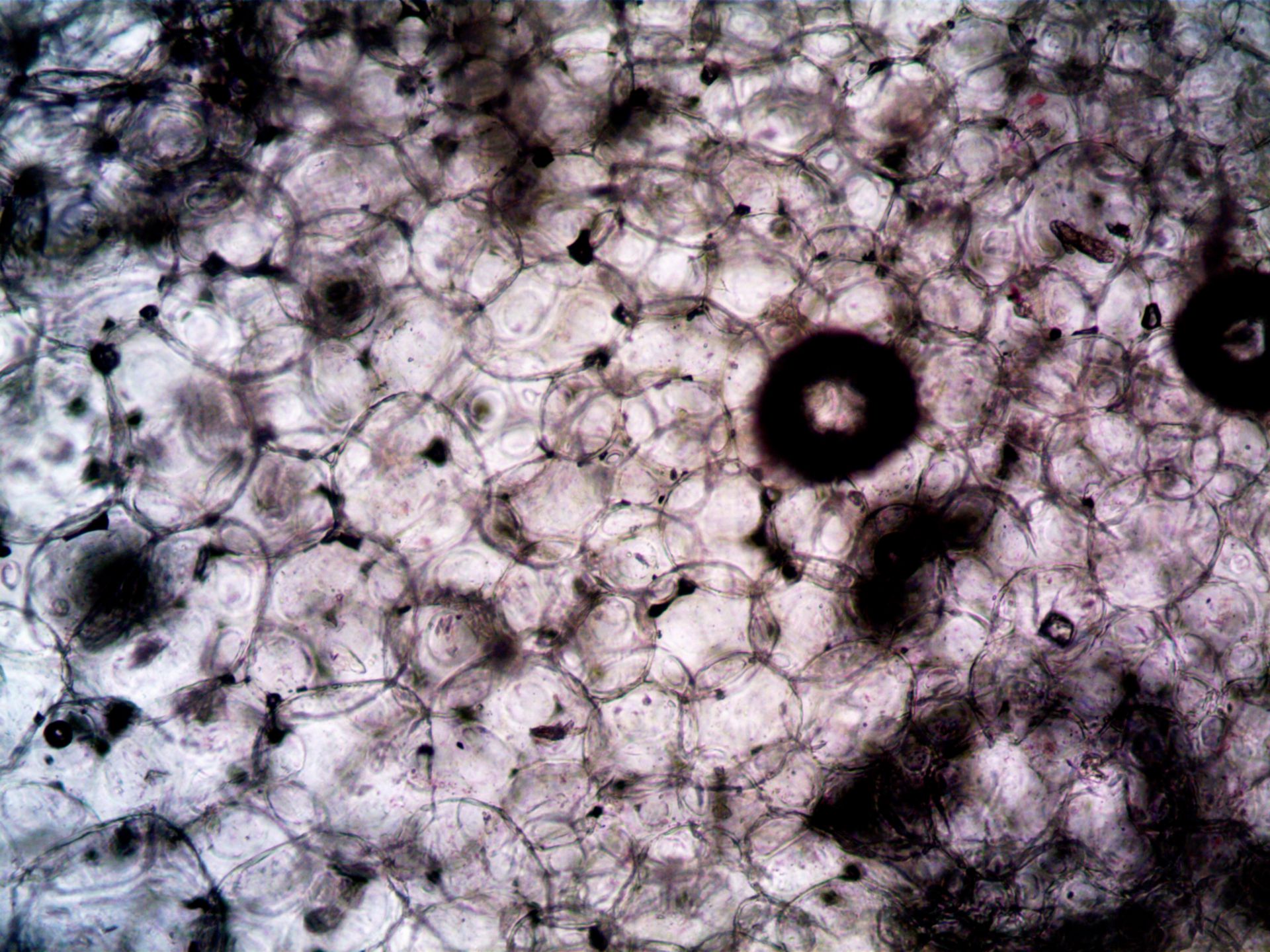
Belly fat and ageing: what new research reveals about why it accumulates
Researchers have identified a population of fat-cell precursors that becomes far more active with age, helping explain why abdominal fat expands over time even without weight gain. The findings, reported by Science Daily, were drawn from laboratory models and human cell samples.