How to start strength training in midlife: a guide from female trainers over 40

Sarcopenia is the medical term for age-related loss of muscle mass and strength. According to the US National Institute on Aging (NIA), muscle mass declines by an average of 3 to 8 per cent every decade after 35, with the rate accelerating after 60. A new Guardian guide is a reminder that strength training is the only proven intervention that slows this process — and can even reverse it.
The female trainers over 40 quoted by The Guardian say that you do not need a gym membership to start. Atlanta-based trainer and kinesiology specialist Stephanie Mansour said: «A pair of dumbbells, a mat and a flat floor are enough; the first 12 weeks can be done with that».
The experts converge on a common piece of advice: train all major muscle groups at least twice a week. The classic «push-pull-squat-hinge» structure — push (chest/shoulders), pull (back), squat (front of legs) and hinge (hip hinge) — is a simple cycle that works for beginners.
National Strength and Conditioning Association (NSCA) data show that 12 weeks of consistent resistance training in women over 50 can increase lean mass by up to 4 per cent and significantly reduce the risk of falls. The same data show more than half of new starters also report improvements in depression scores.
The Guardian's trainers issue two warnings about technique. First, build up weight gradually. Los Angeles trainer Holly Perkins said: «The mistake in the first six weeks is to copy the weights you see women lifting on social media; you will injure yourself and quit». Second, rest 60 to 120 seconds between sets — and longer for heavier work.
For women over 40, perimenopause and post-menopausal hormone changes slow the rate of muscle repair. That makes protein intake critical. The NIA recommends 1.0 to 1.2 grams of protein per kilo for older adults; women who actively train may need up to 1.4. Eggs, yoghurt, pulses, fish and chicken are practical sources.
Sleep is often the overlooked variable. A 2024 University of Texas study found that women sleeping less than six hours a night recovered from resistance training 18 per cent more slowly. Trainers recommend aiming for seven hours on either side of a training day.
For parents struggling to find time, a practical hack is to spread short sets across the day. According to a 2025 Cleveland Clinic report, three five-minute bodyweight blocks per day — using squat, lunge and push-up variations — produce a muscle response comparable to a single 30-minute session.
Every trainer quoted by The Guardian says that booking two or three initial sessions with a professional is the best use of money. Filming your own form or getting feedback from a friend is the cheapest way to avoid back and knee injuries.
Finally: consistency beats volume. Dr Jennifer Bryan, an NSCA board member, said: «Two 30-minute sessions a week, sustained for 10 years, build a much stronger body than a programme that lasts three months but is abandoned». The message is that it is not too late to build muscle in your forties or later — but starting today is always better than starting tomorrow.
Read next

Ebola outbreak in DR Congo passes 1,000 cases: the race to vaccinate in a conflict zone
An Ebola outbreak in the Kasai region of the Democratic Republic of Congo has passed 1,000 cases, with the death toll reaching 254. Authorities say they have not been able to identify patient zero and that the civil conflict is complicating vaccine distribution.
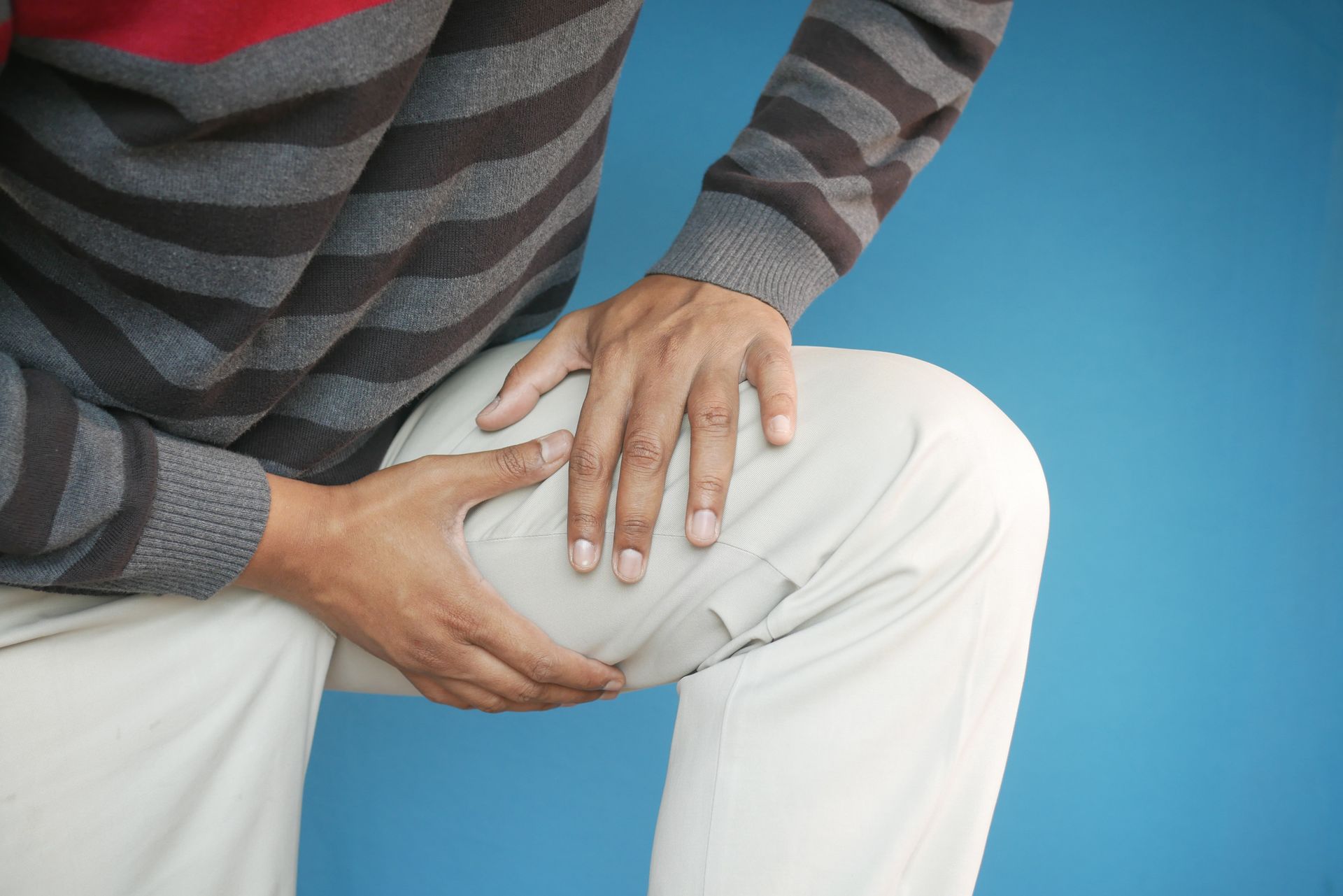
A new injection therapy is helping patients avoid knee replacement: what to know
A combined senolytic injection targeting damaged cartilage delayed the need for knee replacement in more than half of osteoarthritis patients by up to three years. Orthopaedic surgeons are calling it a possible new pre-surgical standard.
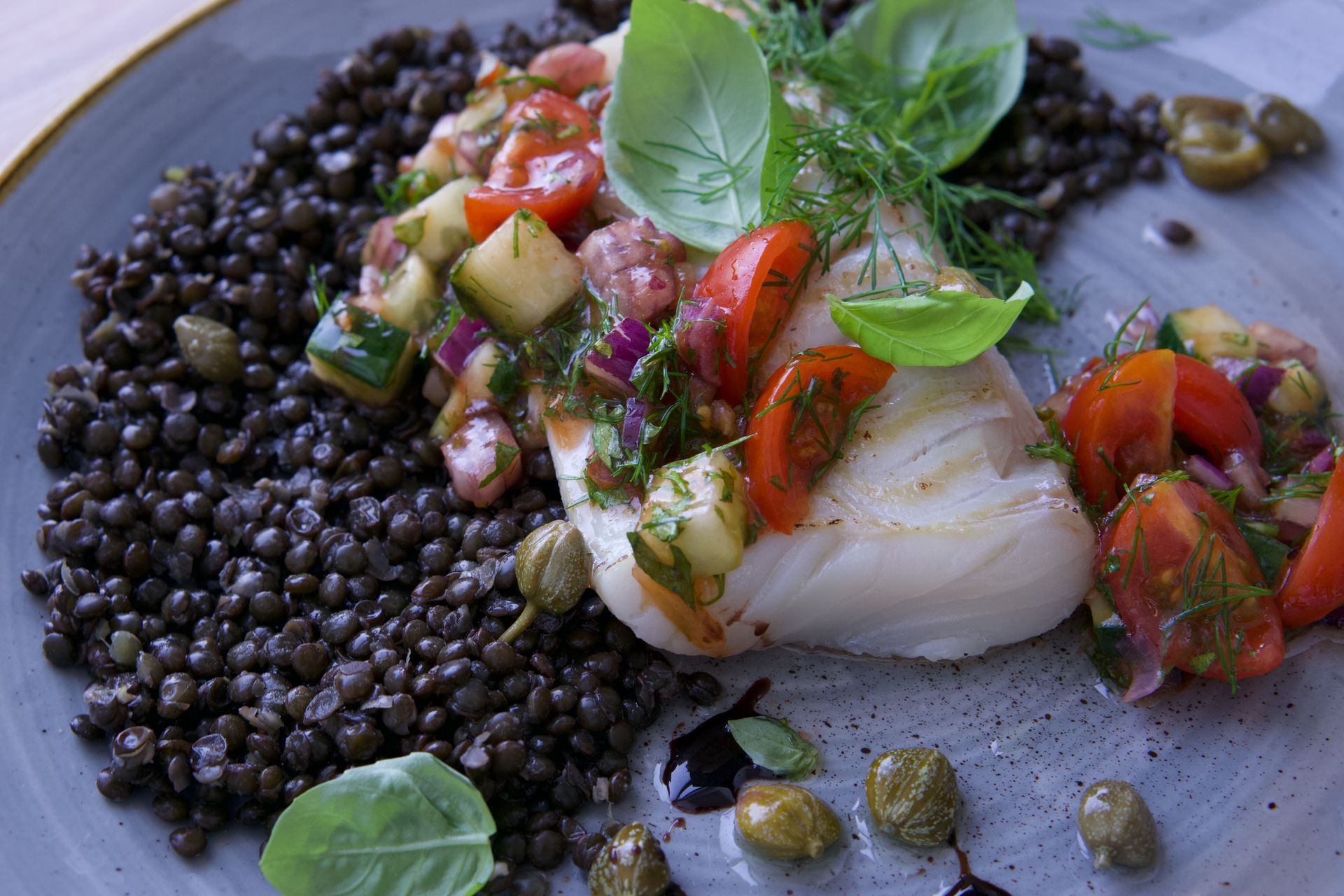
Most adults need more protein than current guidelines suggest, new analysis finds
A panel of nutrition scientists has published a new review arguing that current daily protein recommendations are too low for muscle repair, immunity and healthy ageing. The proposed new target is 1.2 to 1.6 grams per kilo of body weight.

Pfizer lung-cancer drug sigvotatug vedotin falls short in closely watched trial
Pfizer's antibody-drug conjugate sigvotatug vedotin missed its survival target in a phase 3 trial for non-small-cell lung cancer. The setback hits one of the most closely watched assets in the company's oncology pipeline.

HPV vaccine: why young women now face 'close to zero' risk of cervical cancer death
A national analysis in England has found that women vaccinated against HPV at ages 12 to 13 now face a near-zero risk of dying from cervical cancer. The data suggests vaccination programmes worldwide could prevent tens of thousands of deaths over the next decade.
