Ebola outbreak in DR Congo passes 1,000 cases: the race to vaccinate in a conflict zone
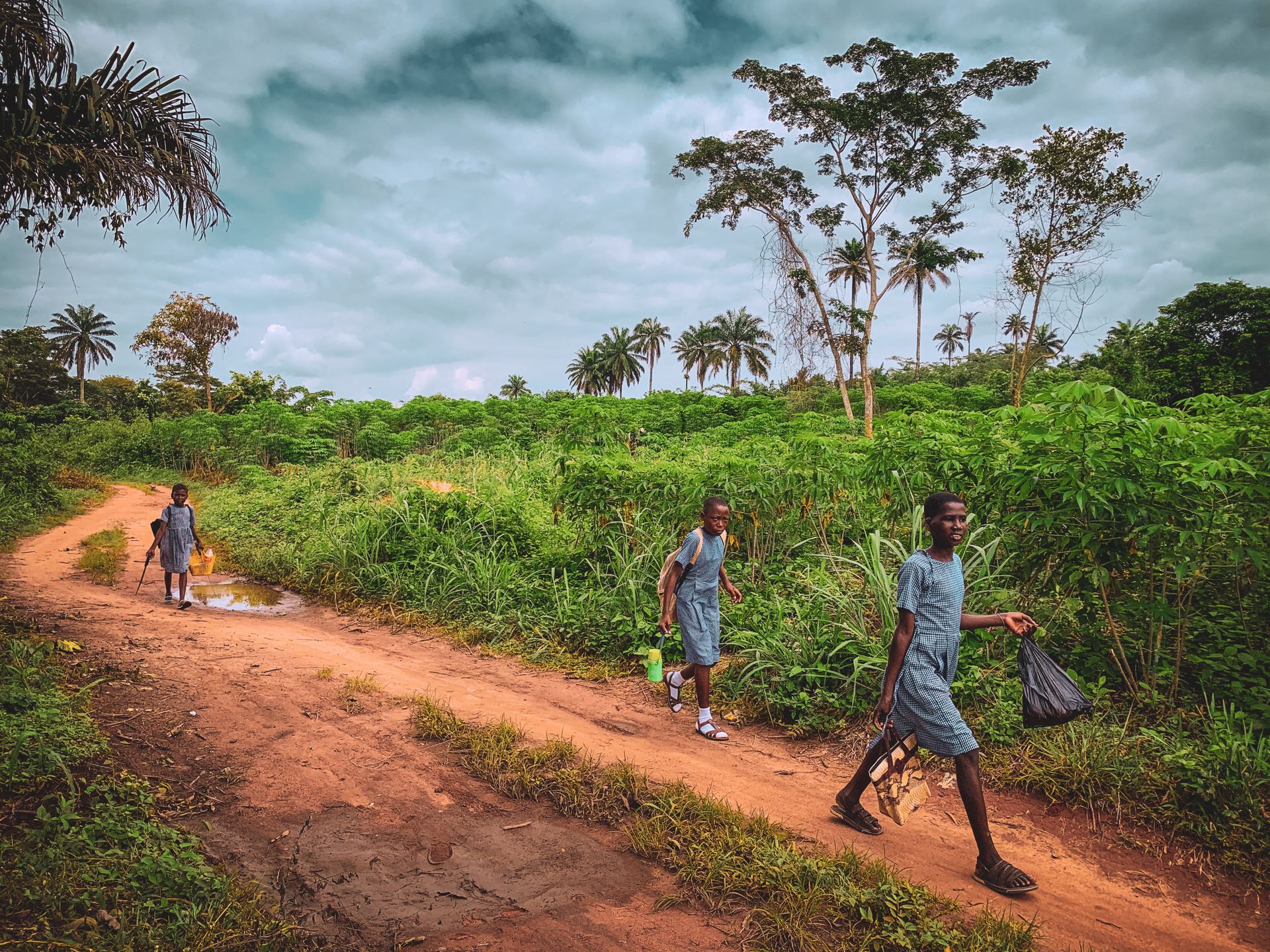
Data released by the Democratic Republic of Congo's health ministry on Monday show the Ebola outbreak in the Kasai region has passed 1,000 confirmed cases, with 254 deaths recorded since the outbreak began. According to STAT News, the World Health Organization (WHO) has classified the outbreak's spread in conflict areas as «high risk».
The outbreak was first detected last month in a hunting community in Bulape town. Teams say they have not yet been able to identify the initial source — «patient zero». The ongoing armed conflict in the region is preventing surveillance teams from reaching villages.
The vaccine being used is rVSV-ZEBOV, made by Merck, which proved effective in a previous Congolese outbreak. WHO data show it is protective in 78 per cent of close contacts. So far, 3,200 people — health workers, close contacts and community leaders — have been ring-vaccinated.
Dr Sarah Nyirenda, Médecins Sans Frontières (MSF) operations coordinator in Bulape, told STAT News: «We have vaccine consignments, but the trucks can only drive on certain corridors; reaching some villages requires a six-hour motorcycle journey».
The DRC has experienced 15 Ebola outbreaks in the past 50 years; the geography of this one — extending into western Congo — is unusual. The previous large outbreak, in 2018-2020, was in eastern Kivu and ended with 2,299 deaths because of both conflict and misinformation.
Ebola's case fatality rate has historically ranged from 40 to 90 per cent. In the current outbreak the cumulative case fatality rate is around 25 per cent, the result of early vaccination and more developed supportive care. Patients receive intensive intravenous fluid therapy to compensate for the disease's fluid losses.
Dr Mike Ryan, WHO's emergencies director, said: «Ebola, when combined with conflict, has historically been our most challenging scenario; attacks on health workers cause surveillance and quarantine to collapse». Ryan warned that if the outbreak is not contained over the next three months, the risk of spread will grow.
International financing has also become strained. Beyond Dutch and German commitments of €25 million in emergency aid, an additional European Union fund of €18 million was approved on Friday. The US contribution via USAID remains uncertain because of budget cuts under the Trump administration.
Last year, phase 1 data were released for a next-generation Sudan-strain Ebola vaccine developed by Bavarian Nordic; but the Bulape outbreak is of the Zaire strain, so the existing Merck vaccine is sufficient. Drug-development efforts in the Netherlands and the UK are also accelerating.
DR Congo's Health Minister Roger Kamba told reporters: «The next four weeks will be decisive; as long as the health infrastructure can survive the conflict, we can contain it». The WHO has called on neighbouring countries — Angola, Zambia and Tanzania — to tighten border surveillance.
Read next
A new injection therapy is helping patients avoid knee replacement: what to know
A combined senolytic injection targeting damaged cartilage delayed the need for knee replacement in more than half of osteoarthritis patients by up to three years. Orthopaedic surgeons are calling it a possible new pre-surgical standard.
Most adults need more protein than current guidelines suggest, new analysis finds
A panel of nutrition scientists has published a new review arguing that current daily protein recommendations are too low for muscle repair, immunity and healthy ageing. The proposed new target is 1.2 to 1.6 grams per kilo of body weight.

How to start strength training in midlife: a guide from female trainers over 40
Muscle mass declines by an average of 3 to 8 per cent every decade after 35, and strength training is the only proven way to reverse it. The Guardian has gathered practical advice from female trainers over 40 on equipment, frequency and form.

Pfizer lung-cancer drug sigvotatug vedotin falls short in closely watched trial
Pfizer's antibody-drug conjugate sigvotatug vedotin missed its survival target in a phase 3 trial for non-small-cell lung cancer. The setback hits one of the most closely watched assets in the company's oncology pipeline.

HPV vaccine: why young women now face 'close to zero' risk of cervical cancer death
A national analysis in England has found that women vaccinated against HPV at ages 12 to 13 now face a near-zero risk of dying from cervical cancer. The data suggests vaccination programmes worldwide could prevent tens of thousands of deaths over the next decade.
