Martha Lillard, one of the last iron lung users in the US, dies at 78
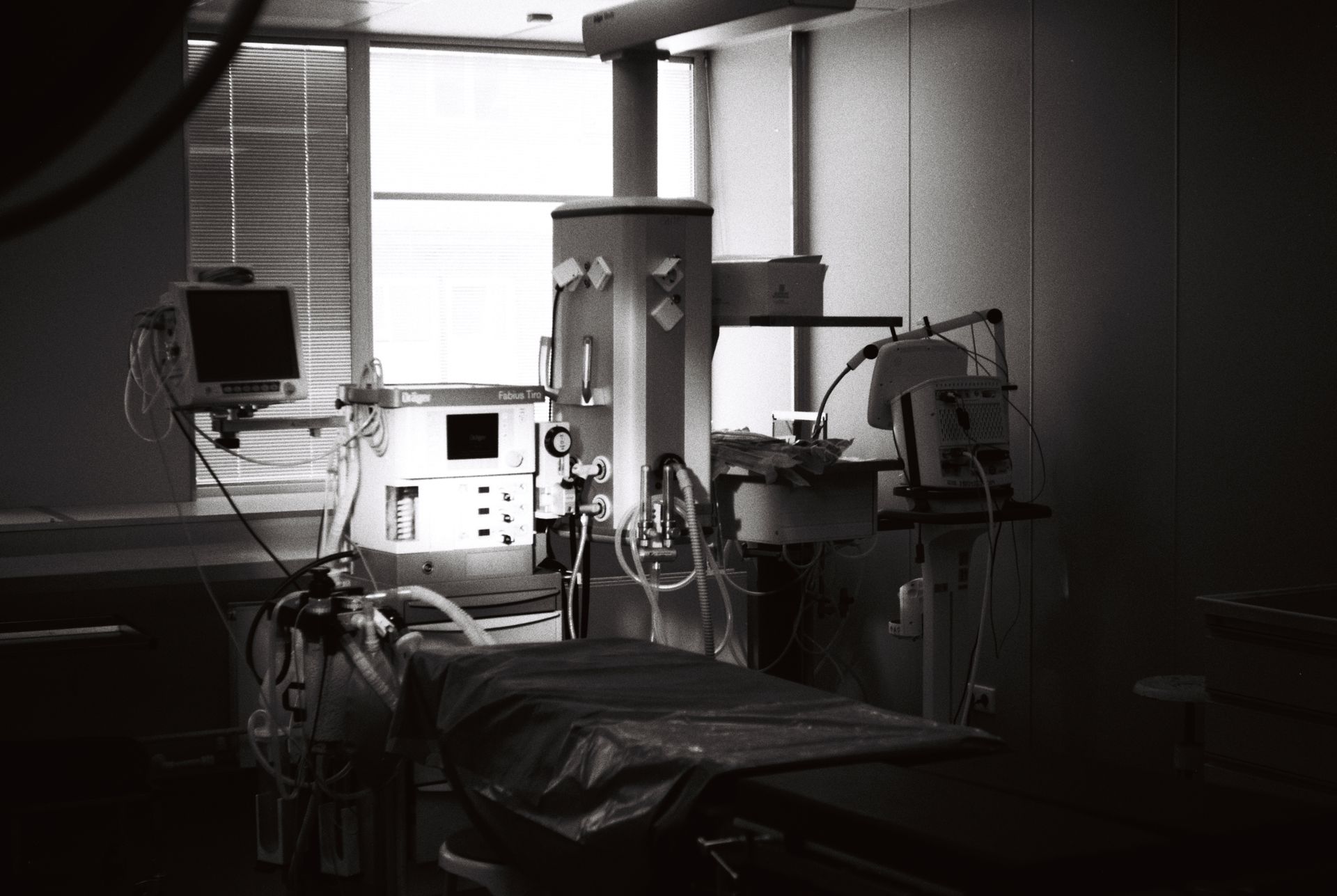
Martha Lillard, one of the last people in the United States still using an iron lung to breathe, has died at 78 in Oklahoma, according to STAT News. Her death closes out one of the final living connections to the era before the polio vaccine, when the hulking cylindrical ventilators lined hospital wards across the country and offered the only chance of survival for children whose chest muscles had been paralysed by the virus.
Lillard contracted polio as a small child in the early 1950s, in the final years before Jonas Salk's vaccine became widely available and ended the disease's grip on American childhood. The virus attacked the nerves controlling her diaphragm and chest muscles, leaving her unable to breathe unassisted. She was placed inside an iron lung, a sealed metal chamber that used rhythmic changes in air pressure to pull air into and push it out of the lungs of patients who could no longer do so on their own.
Unlike most polio survivors who used the machines temporarily while their bodies recovered some function, Lillard's paralysis never fully resolved. She spent the following decades sleeping inside the iron lung every night, an arrangement that required specialised maintenance, spare parts increasingly difficult to source, and a small community of technicians and family members willing to keep century-old engineering running for a machine no longer manufactured.
Her long dependence on the device made her something of an unofficial ambassador for a chapter of medical history that most Americans now know only from photographs: rows of iron lungs in polio wards, the anxious summers when public pools closed for fear of transmission, and the nationwide relief that followed the vaccine's arrival in 1955. Lillard gave interviews over the years describing both the isolation of life tethered to the machine and her determination to build a full life around it, including work, relationships and public advocacy.
Polio, once one of the most feared diseases in America, causing paralysis in a small percentage of those infected and killing some of them, was declared eliminated in the country by 1979 following mass vaccination campaigns. But the disease left behind a small population of survivors with permanent paralysis, some of whom relied on iron lungs for the rest of their lives, even as newer, smaller ventilators became standard for other patients requiring breathing support.
The iron lung itself became a kind of medical relic even during Lillard's lifetime, no longer produced by any manufacturer and kept running through parts scavenged from decommissioned units or custom-fabricated by dedicated repair specialists. Health researchers have pointed to the small number of remaining users as both a logistical challenge, since replacement parts are effectively irreplaceable, and a poignant reminder of how recently a vaccine-preventable disease caused lifelong disability in the United States.
With Lillard's death, only a handful of people worldwide are known to still use an iron lung, according to public health researchers who have tracked the dwindling population of long-term users. Advocates for disabled polio survivors have used her story, and those of the remaining iron lung users, to highlight the ongoing needs of an ageing population whose medical requirements were never designed to last this long.
Her story has also resurfaced amid renewed public conversations about vaccine hesitancy, offering a lived counterpoint to arguments that downplay the severity of vaccine-preventable diseases. Public health experts have pointed to Lillard's decades inside the iron lung as a concrete illustration of what unchecked polio outbreaks could still mean in places where vaccination coverage has fallen.
Family members and caregivers who supported Lillard through her final years described her as sharp, independent and insistent on maintaining as much normalcy as her situation allowed, from conversations to hobbies conducted while lying inside the sealed chamber that kept her alive. Her death was confirmed by those close to her, with details of a memorial expected to follow.
As the era of the iron lung draws to its natural close, Lillard's life stands as a marker of both medical progress and its limits: a disease effectively eliminated by vaccination, but not before it left a small number of people to spend a lifetime, and often much of it after her diagnosis before recovery was even conceivable, inside a machine built to keep them breathing.
Read next

UK children's health: why doctors call this the unhealthiest generation in decades
An analysis of 12 child health indicators, including asthma, obesity and vaccination rates, has found outcomes have declined or stalled across the board in the UK, prompting paediatricians to call the trend a 'national embarrassment'. Falling vaccination coverage and rising hospital admissions for asthma and mental health conditions are named as key drivers.

Lung cancer in non-smokers: why healthy young people are getting it
A new study has found an unexpected pattern: young non-smokers with healthier diets showed higher rates of lung cancer, prompting researchers to examine whether pesticide residue on produce could play a role. Scientists stress the findings are preliminary but say they highlight a growing and poorly understood category of lung cancer patients.

Sleep loss and weight gain: why losing 80 minutes a night matters
A new study finds that losing just 80 minutes of sleep a night for six weeks caused participants to gain weight and become less active, even though the sleep loss was far milder than what many adults already experience. Researchers say the findings help explain why chronic, moderate sleep deprivation can quietly raise long-term health risks.

Why heatwaves hit women harder: the biology behind the risk
Experts say women face distinct physiological and social risks during extreme heat, from hormonal effects on body temperature regulation to caregiving roles that keep them indoors without cooling. Health officials are calling for heat guidance that accounts for these differences.

ADHD and the menstrual cycle: what new research reveals
A first-of-its-kind UK study is examining how hormonal shifts across the menstrual cycle can intensify ADHD symptoms such as focus loss and impulsivity. Researchers say the finding could explain years of women being misdiagnosed or told their symptoms were 'all in their head'.