Why middle age is becoming a breaking point in the US: eight forces, one picture

Middle age has become the most alarming point on the United States public-health map of the past decade. New research summarised by Science Daily finds that Americans aged 45 to 64 continue to die at noticeably higher rates than peers in other high-income economies, and identifies eight interlocking forces driving the trend.
The first is economic strain. High medical out-of-pocket spending, stagnant wage growth and income uncertainty before retirement leave many middle-aged Americans under sustained stress. The study echoes earlier cohorts showing financial stress moves in step with cardiovascular disease and metabolic syndrome.
The second is opioid-related overdose. After its first wave, the epidemic has increasingly struck Americans over 45. As prescription opioids have given way to fentanyl and other synthetic products, the share of deaths in the middle-age group has converged with that of younger adults.
The third is early clustering of chronic disease. The US sees type 2 diabetes, hypertension and obesity beginning before 45 at notably higher rates than comparable countries. That produces a population entering middle age with an already-heavy disease load.
The fourth is the long shadow of the mental-health crisis. Diagnoses of depression and anxiety have risen, and the study highlights their role in the "deaths of despair" category that hits middle-aged adults especially hard, including alcohol-related liver disease and suicide.
The fifth is access to care. The changing structure of employer-linked insurance, and limited free or low-cost primary care, complicate the surveillance of chronic disease and the management of silent risk factors like hypertension and cholesterol.
The sixth is environmental exposure. Air pollution accumulates over a lifetime, affecting lung function and cardiovascular health. Regional variation in 50-to-60-year-old mortality across Midwestern states where coal and fossil fuels are prevalent tracks with environmental risk.
The seventh is social isolation. Deepening since the pandemic, isolation combines in middle age with smoking, alcohol use and reduced physical activity to produce a multi-pronged risk profile.
The eighth is structural racial and geographic inequality. The increase in mortality is uneven across groups; middle-age deaths are notably higher in the US South, in rural areas and in lower-income regions.
The intervention framework the study suggests treats these eight forces together rather than separately: expanded primary care, medically assisted treatment for opioid dependence, mental-health screening, environmental rules and income support. No single policy change is likely to lower middle-age mortality by itself.
For individuals, the practical implications point to annual screenings: blood pressure, cholesterol, blood glucose, bone density and timely participation in colon and breast cancer programmes, alongside regular review of alcohol intake and a goal of at least 150 minutes of moderate physical activity each week.
This article is not medical advice. For screenings and lifestyle changes, consult your own general practitioner.
Read next

People on GLP-1 drugs like Ozempic moved less, new study finds
A new study finds people on GLP-1 weight-loss drugs significantly cut their daily physical activity, raising fresh concerns about lean-mass loss. Researchers say the result strengthens the case that exercise should be a built-in part of any GLP-1 treatment plan.

What is hypermobility, and why UK patients wait up to 21 years for diagnosis
A new UK study finds that patients with hypermobility spectrum disorder and hypermobile Ehlers-Danlos syndrome wait an average of 21 years for a diagnosis. The Guardian's coverage details what hypermobility is, why it is missed and what early recognition could change.
FDA expands Sanofi's teplizumab to children with stage 3 type 1 diabetes
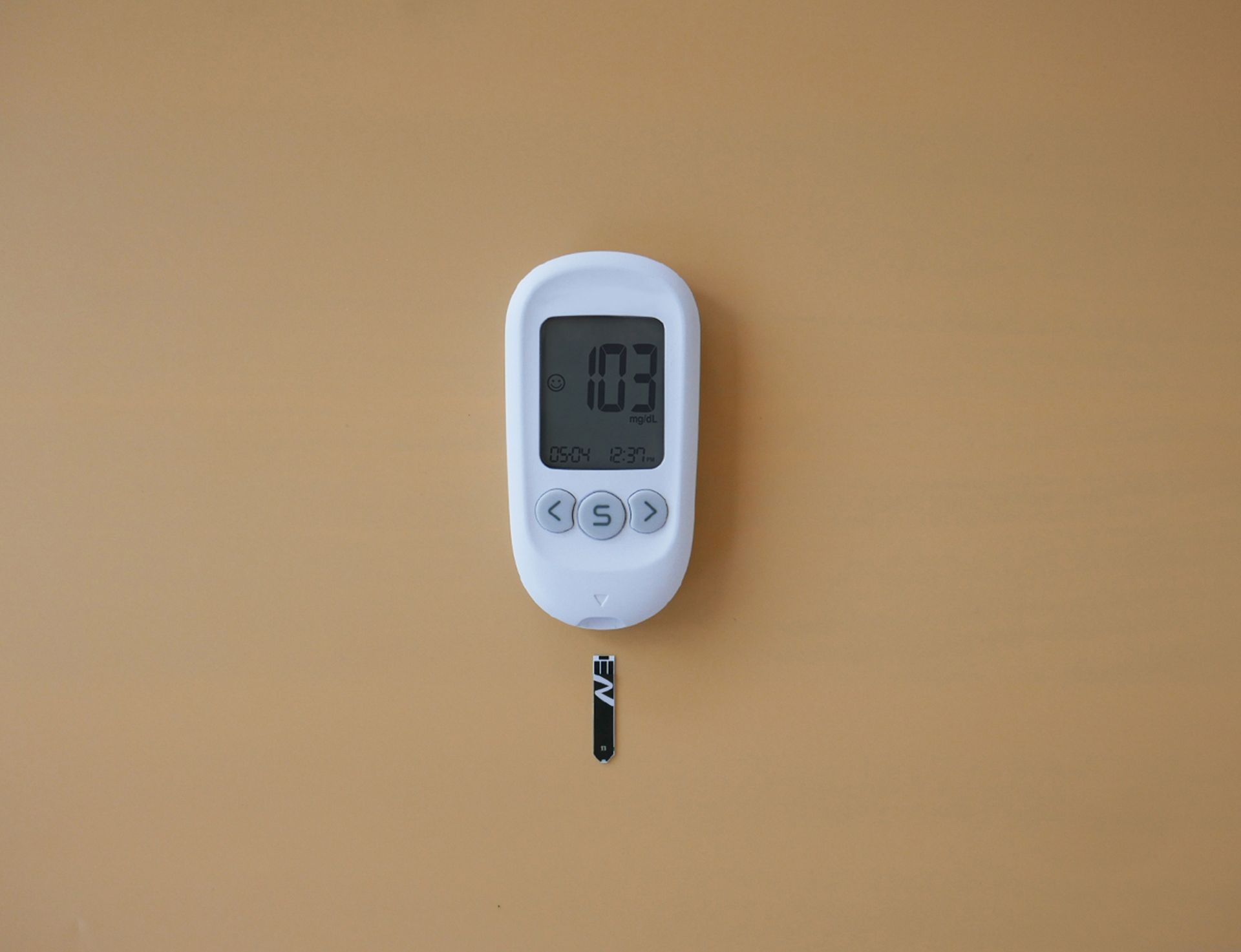
The US Food and Drug Administration has expanded Sanofi's Tzield (teplizumab) to children with newly diagnosed stage 3 type 1 diabetes. The decision broadens a market that until now was limited to delaying disease, and aims to preserve insulin production after diagnosis.

Period cramps: which painkillers actually work, and which ones don't
Period cramps affect millions of women every month, yet most people reach for the wrong painkiller. New research suggests nonsteroidal anti-inflammatories outperform paracetamol, and explains why the timing of a dose matters as much as the molecule.

WHO chief returns from DRC: conflict is a greater concern than Ebola, he warns
WHO Director-General Tedros Adhanom Ghebreyesus said after visiting the Ebola outbreak zone in the Democratic Republic of Congo that conflict is a greater public health concern than the outbreak itself. STAT reports that the response operation is being severely impeded by regional insecurity.
