FDA expands Sanofi's teplizumab to children with stage 3 type 1 diabetes
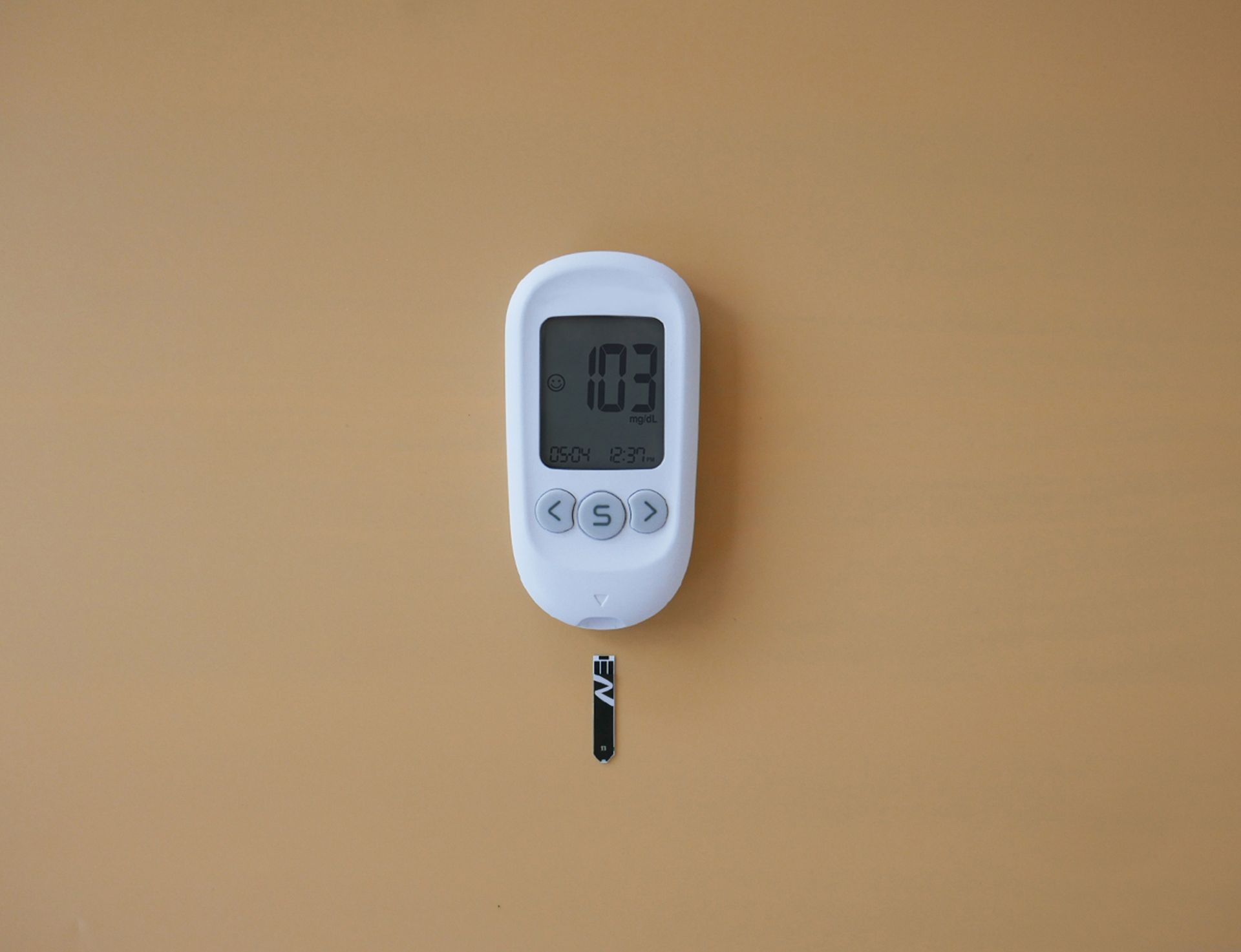
The US Food and Drug Administration has expanded the use of teplizumab, marketed as Tzield by Sanofi, to children newly diagnosed with stage 3 type 1 diabetes, STAT News reports. The decision marks a shift in the treatment landscape for the autoimmune disease, broadening teplizumab's role from delaying its onset to preserving beta-cell function after diagnosis.
Teplizumab is an anti-CD3 monoclonal antibody. It slows the immune system's T cells from attacking insulin-producing beta cells in the pancreas. In 2022 the FDA cleared the drug to delay clinical type 1 diabetes by an average of two years in people who tested positive for autoantibodies but had not yet developed symptoms. The new approval reaches a much larger group: children who have just been diagnosed but still produce some insulin of their own.
Endocrinologists who spoke to STAT described the approval as treatment within "the narrow window where we can still change the disease's course." The first months after diagnosis largely determine how much beta-cell function a patient retains. Preserving those cells reduces the insulin doses needed in later years, the risk of severe hypoglycaemia and the likelihood of long-term complications.
In the phase 3 PROTECT trial, teplizumab preserved C-peptide levels measurably better than placebo, slowing the loss of beta-cell function. The effect was clearest in patients between 8 and 18 years old. Advantages on glycaemic targets were smaller and remain debated, but researchers expect those to become clearer over time.
Pricing is a critical question. The previous indication carried a roughly $194,000 cost for a 14-day course, which sparked insurance disputes. Sanofi has signalled that the new pediatric indication will involve a revised pricing structure, though details are still pending. Payers told STAT they want to see whether high upfront costs are offset by long-term complication savings.
The safety profile demands attention. Lymphopenia, cytokine release syndrome and serum-sickness-like reactions are among side effects clinicians monitor closely. Treatment is intended to be given in a hospital or qualified centre, infrastructure most pediatric endocrinology units already possess.
The approval is also a strategic move for Sanofi in the pediatric metabolic market. The company picked up the drug when it acquired Provention Bio in 2023 and identified pediatric use as a key growth area. Competitors remain in early stages of development, including antigen-specific immune therapies and low-dose IL-2 approaches.
The public-health dimension hinges on detecting the disease well before symptoms. Autoantibody screening pilots in the US, the UK and Scandinavian countries are catching children at risk earlier. The impact of drugs like teplizumab will depend heavily on who can be brought to treatment at the right moment.
For families, the practical question is what to do after diagnosis. Clinicians told STAT they want parents to contact pediatric endocrinology teams promptly and ask when, and under what conditions, the teplizumab option might be added to a treatment plan.
This article is not medical advice. For questions about type 1 diabetes or teplizumab treatment, consult an endocrinology specialist.
Read next

People on GLP-1 drugs like Ozempic moved less, new study finds
A new study finds people on GLP-1 weight-loss drugs significantly cut their daily physical activity, raising fresh concerns about lean-mass loss. Researchers say the result strengthens the case that exercise should be a built-in part of any GLP-1 treatment plan.

Why middle age is becoming a breaking point in the US: eight forces, one picture
New research finds that adults aged 45 to 64 in the United States continue to die at higher rates than peers in other wealthy economies, and identifies eight interlocking forces. Economic pressure, the opioid crisis and chronic-disease burden top the list.

What is hypermobility, and why UK patients wait up to 21 years for diagnosis
A new UK study finds that patients with hypermobility spectrum disorder and hypermobile Ehlers-Danlos syndrome wait an average of 21 years for a diagnosis. The Guardian's coverage details what hypermobility is, why it is missed and what early recognition could change.

Period cramps: which painkillers actually work, and which ones don't
Period cramps affect millions of women every month, yet most people reach for the wrong painkiller. New research suggests nonsteroidal anti-inflammatories outperform paracetamol, and explains why the timing of a dose matters as much as the molecule.

WHO chief returns from DRC: conflict is a greater concern than Ebola, he warns
WHO Director-General Tedros Adhanom Ghebreyesus said after visiting the Ebola outbreak zone in the Democratic Republic of Congo that conflict is a greater public health concern than the outbreak itself. STAT reports that the response operation is being severely impeded by regional insecurity.
