What is hypermobility, and why UK patients wait up to 21 years for diagnosis
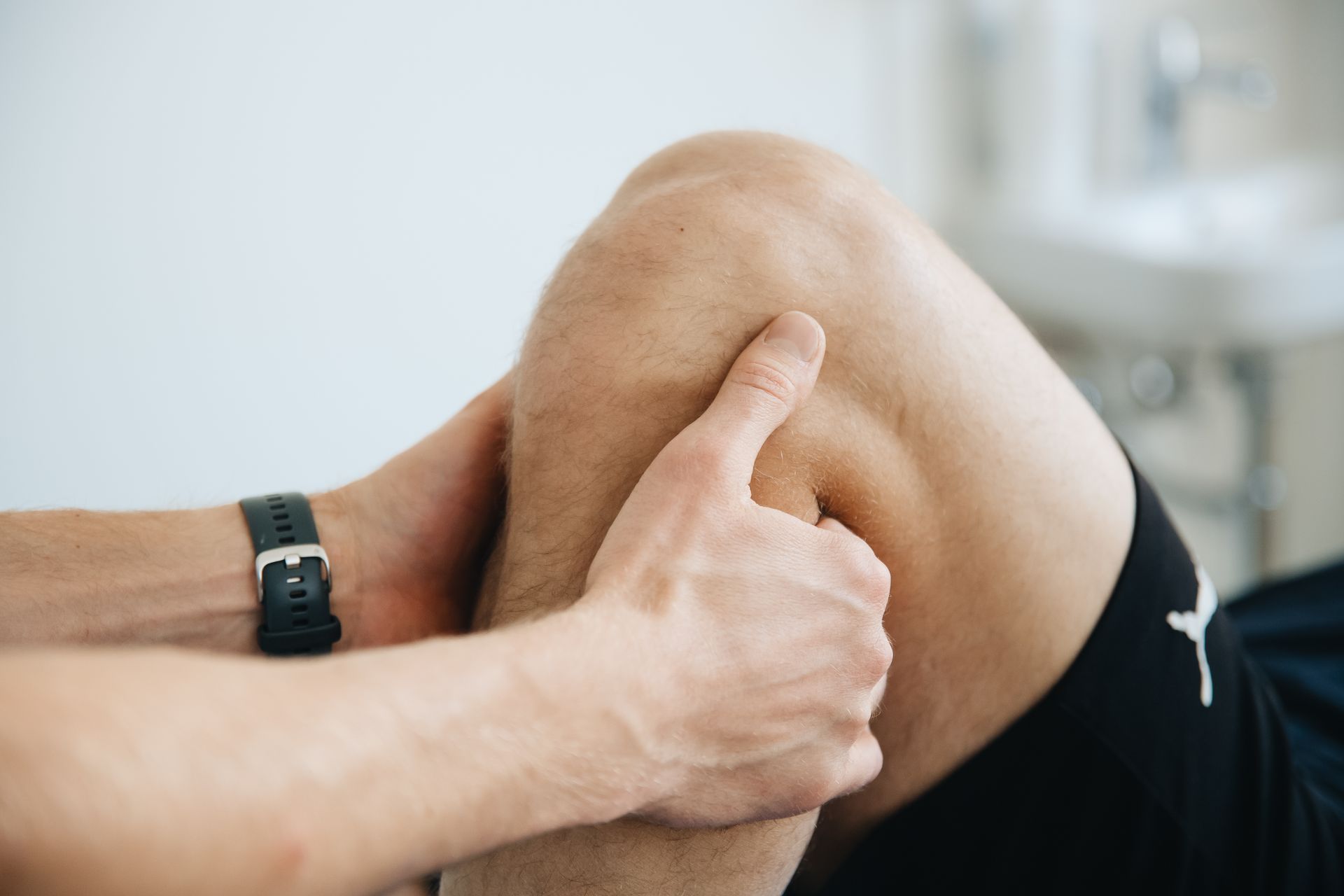
A new UK study finds that patients with hypermobility spectrum disorder (HSD) and hypermobile Ehlers-Danlos syndrome (hEDS) wait an average of 21 years for a formal diagnosis, the Guardian reports. The figure puts a number on what doctors have long acknowledged: symptoms that begin in childhood often go unrecognised until adulthood.
Hypermobility describes joint movement beyond the normal range. Changes in collagen leave connective tissue both more flexible and more fragile. Joints slip more easily, dislocations recur and ordinary daily strains can build into chronic pain. Many patients are first identified as "bendy" children before symptoms accumulate quietly across years.
The study found patients consulted an average of 15 different specialists before diagnosis, and half were referred to chronic pain clinics. Because connective tissue is in every organ, the symptom map is wide: gut dysmotility, orthostatic intolerance, palpitations, fatigue, headache, urinary and skin issues frequently coexist. As each symptom is assessed in isolation, the full picture takes years to emerge.
Diagnosis takes longer for women than for men. Some experts argue this reflects a tendency to attribute women's pain to chronic fatigue or anxiety. Clinicians who spoke to the study said the gap points to a systematic awareness deficit in primary care.
The cost of delay extends beyond joints. Each year without diagnosis allows preventable joint damage to accumulate that physiotherapy, core stabilisation and tailored exercise could have softened. A large share of patients also reported long-term mental-health effects from being told "there is nothing wrong" for years. Anxiety and depression persist for many even after a diagnosis is given.
The good news is that early diagnosis can reshape the management plan. Low-impact strength training, joint stabilisation, professional physiotherapy and appropriate pain management measurably reduce symptoms. Instead of long-term NSAID use, multimodal approaches (swimming, Pilates, applied heat, neuropathic-pain medicines when warranted) are typically preferred.
Hypermobility tends to run in families. When multiple relatives share joint laxity, recurrent dislocations or chronic pain, the clinicians interviewed say it is worth suspecting a shared genetic background. Diagnosis relies on the Beighton score, family history and a systemic symptom review. There is still no specific genetic test for the hypermobile type.
Patient organisations who spoke to the Guardian are pressing for stronger physician training and primary-care checklists for HSD and hEDS. Scotland and Wales issued guidance to local health boards on this last year; updates to NHS England guidelines are under review.
For patients, the practical advice is patient persistence: present all symptoms to a single clinician, ask for the Beighton score, and emphasise family history. For many patients, that is the first step in shortening a long road to diagnosis.
This article is not medical advice. If you experience joint hypermobility or chronic pain, consult a general practitioner or rheumatologist.
Read next
People on GLP-1 drugs like Ozempic moved less, new study finds
A new study finds people on GLP-1 weight-loss drugs significantly cut their daily physical activity, raising fresh concerns about lean-mass loss. Researchers say the result strengthens the case that exercise should be a built-in part of any GLP-1 treatment plan.

Why middle age is becoming a breaking point in the US: eight forces, one picture
New research finds that adults aged 45 to 64 in the United States continue to die at higher rates than peers in other wealthy economies, and identifies eight interlocking forces. Economic pressure, the opioid crisis and chronic-disease burden top the list.
FDA expands Sanofi's teplizumab to children with stage 3 type 1 diabetes
The US Food and Drug Administration has expanded Sanofi's Tzield (teplizumab) to children with newly diagnosed stage 3 type 1 diabetes. The decision broadens a market that until now was limited to delaying disease, and aims to preserve insulin production after diagnosis.

Period cramps: which painkillers actually work, and which ones don't
Period cramps affect millions of women every month, yet most people reach for the wrong painkiller. New research suggests nonsteroidal anti-inflammatories outperform paracetamol, and explains why the timing of a dose matters as much as the molecule.

WHO chief returns from DRC: conflict is a greater concern than Ebola, he warns
WHO Director-General Tedros Adhanom Ghebreyesus said after visiting the Ebola outbreak zone in the Democratic Republic of Congo that conflict is a greater public health concern than the outbreak itself. STAT reports that the response operation is being severely impeded by regional insecurity.
