Nearly 3,000 patients a day on corridor care: inside the NHS's structural crisis

England's National Health Service has been visibly strained for several winters running. New data suggest the problem has now mutated from a seasonal pressure into a year-round norm.
Reporting from the BBC shows that around 3,000 patients a day in England are now being treated under what is called 'corridor care'. These patients are seen in emergency department corridors or improvised holding areas; many wait on trolleys for hours at a time.
Corridor care is not just a comfort problem. It compromises privacy, clinical observation, infection control and the nurse-to-patient ratio. Emergency physicians say care delivered in these conditions inevitably involves some loss of clinical quality.
The Royal College of Emergency Medicine and other professional bodies have for some time called the situation a 'structural crisis'. Their calls to ministers cluster around three themes: a realistic increase in bed capacity, smoother discharge flow and tighter coordination with the social care system.
Low bed numbers, on their own, do not capture the full picture. England runs with markedly fewer hospital beds per capita than the OECD average, which leaves the system with very little slack even in normal conditions.
Meanwhile, the contraction of social care has slowed discharges. Elderly patients ready to leave hospital must wait for social services support before they can return home safely; while they wait, they occupy beds.
Public health analysts warn that corridor-care numbers risk rising further into winter. Flu and respiratory viruses dramatically increase the burden on emergency departments and can push corridor numbers higher.
Patient groups frame the experience not only in numbers but in individual stories. Often it is frail elderly patients, people with dementia or those undergoing cancer treatment who find themselves in these conditions.
The government has announced additional funding and structural reform packages, but voices on the front line say these steps are not yet at the right scale. Renewed debate about doctor industrial action takes place against this backdrop.
Vesper presents this report for context; patients receiving care in England should rely on official NHS sources for information on their rights and the services available to them.
Read next

What 'when democracy met science' means at 50: the recombinant DNA story revisited
Fifty years ago, Cambridge, Massachusetts became the first city to publicly debate and regulate recombinant DNA research. As STAT recounts, the story is a reminder of how ordinary citizens can be brought into complex scientific decisions — and offers lessons for today's AI moment.

Reversing prediabetes cuts deadly heart risk by 58%: what the new study shows
New research finds that bringing blood sugar back to normal levels during the prediabetes stage cuts the risk of serious cardiovascular events by 58%. The findings reinforce why prediabetes should be treated as a powerful warning signal, not a minor reading.

One month into DRC's Ebola outbreak: could this be the deadliest yet?
One month into the latest Ebola outbreak in the Democratic Republic of the Congo, health officials warn it could become the deadliest on record if transmission is not contained. Conflict, funding gaps and vaccine logistics are the biggest obstacles to the response.

Calcium and vitamin D for stronger bones: what a major new review actually found
A large new meta-analysis finds that calcium and vitamin D supplements, taken by millions for bone strength, deliver only limited benefit in reducing fracture risk for most healthy adults. The findings suggest the routine reach for these pills may need rethinking.
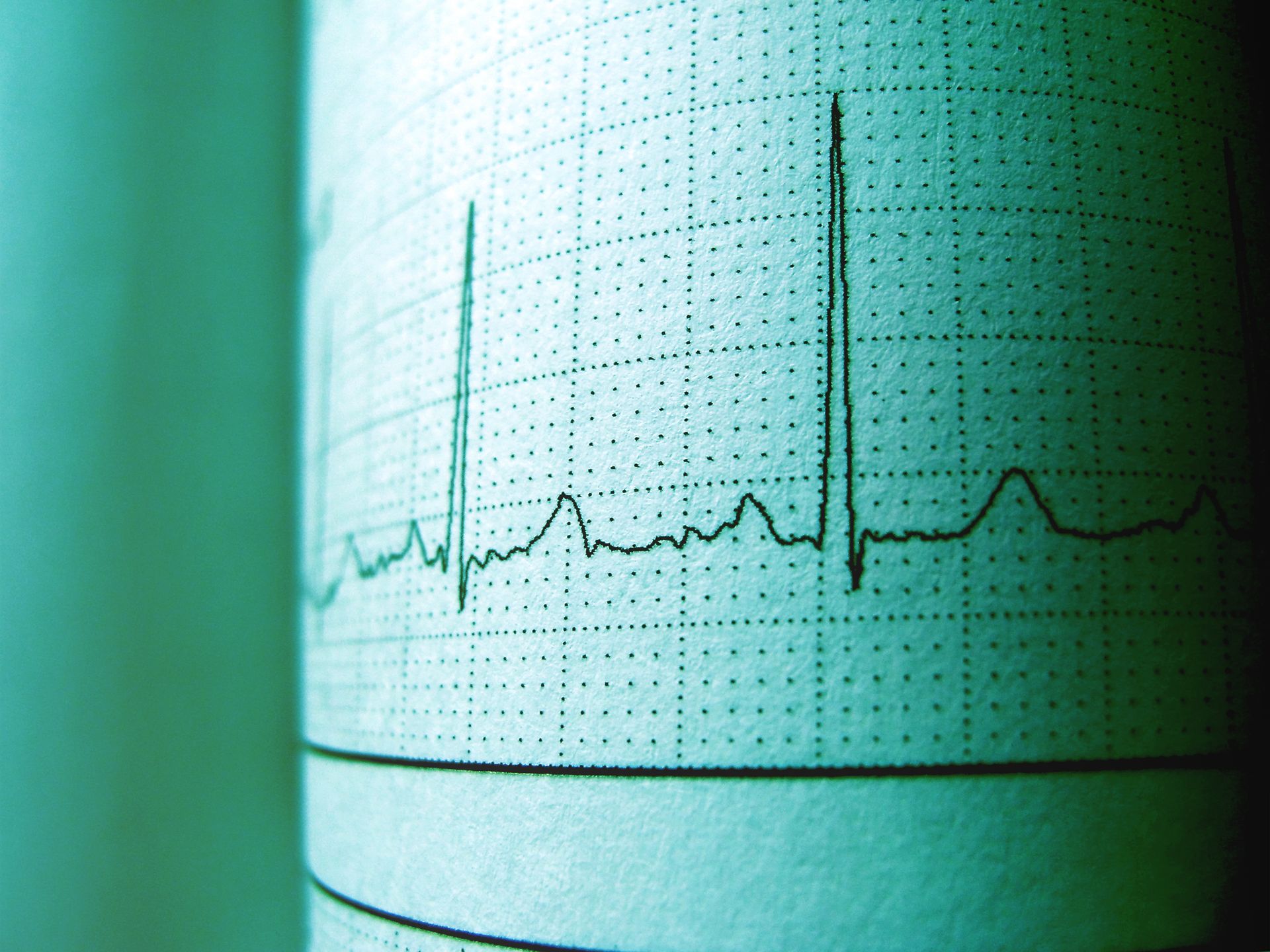
Covid vaccines still cut heart risks: what a large new study shows
A large new study published in JAMA shows that Covid vaccination significantly reduces the risk of heart attack, stroke and other major cardiovascular events. The findings suggest the cardiac protection persists with updated boosters, even after the acute phase of the pandemic.