Reversing prediabetes cuts deadly heart risk by 58%: what the new study shows

Prediabetes has long been treated as a quiet diagnosis. For many patients, a borderline blood sugar reading is logged in the chart after a brief conversation with the doctor — and then largely forgotten. A new study suggests that is a serious mistake.
In the research highlighted by ScienceDaily, scientists followed thousands of people with a prediabetes diagnosis. Some had their blood sugar brought back to normal through lifestyle changes or metabolic treatment; others stayed in the borderline range for years.
The cardiovascular results were dramatic. Those who pulled their blood sugar back into the normal range had a 58% lower risk of major cardiovascular events compared with those who remained chronically in the prediabetic zone.
The definition of major event was broad: heart attack, stroke, heart failure hospitalisation and cardiovascular death. The pattern suggests prediabetes can damage the vascular system and the heart far earlier than commonly assumed.
Why such a large effect? Chronically high-normal blood sugar produces a low-grade background inflammation. Over time it wears on the endothelium that lines blood vessels, on the heart muscle itself, and especially on the coronary arteries.
The routes to reversing blood sugar are familiar. Weight loss, physical activity, fibre-rich nutrition, better sleep and smoking cessation all matter. A new generation of medications — GLP-1 agonists and selective use of metformin — can play a supporting role in carefully chosen patients.
The most encouraging aspect of the study is that the heart-risk reduction was not limited to people who lost large amounts of weight. Those who exited prediabetes through smaller but consistent lifestyle changes saw a similar benefit.
The research carries caveats. Observational data establish a strong correlation rather than proven causation. Even so, the effect size is large enough that the findings are likely to put pressure on clinical guidelines.
Another important message: prediabetes is not just a waiting room for type 2 diabetes; it is a cardiovascular risk state in its own right. That makes a HbA1c reading between 5.7 and 6.4 — a level many patients shrug off — a reason to build a strategy quickly.
Vesper publishes this as background information. Individual treatment plans and lifestyle changes should be made with an endocrinologist or primary care physician familiar with the patient's history.
Read next

What 'when democracy met science' means at 50: the recombinant DNA story revisited
Fifty years ago, Cambridge, Massachusetts became the first city to publicly debate and regulate recombinant DNA research. As STAT recounts, the story is a reminder of how ordinary citizens can be brought into complex scientific decisions — and offers lessons for today's AI moment.

Nearly 3,000 patients a day on corridor care: inside the NHS's structural crisis
New BBC reporting shows that nearly 3,000 patients a day in England are now receiving care in hospital corridors. Doctors' unions describe the pattern as an 'unacceptable new normal' and are calling for structural fixes.

One month into DRC's Ebola outbreak: could this be the deadliest yet?
One month into the latest Ebola outbreak in the Democratic Republic of the Congo, health officials warn it could become the deadliest on record if transmission is not contained. Conflict, funding gaps and vaccine logistics are the biggest obstacles to the response.

Calcium and vitamin D for stronger bones: what a major new review actually found
A large new meta-analysis finds that calcium and vitamin D supplements, taken by millions for bone strength, deliver only limited benefit in reducing fracture risk for most healthy adults. The findings suggest the routine reach for these pills may need rethinking.
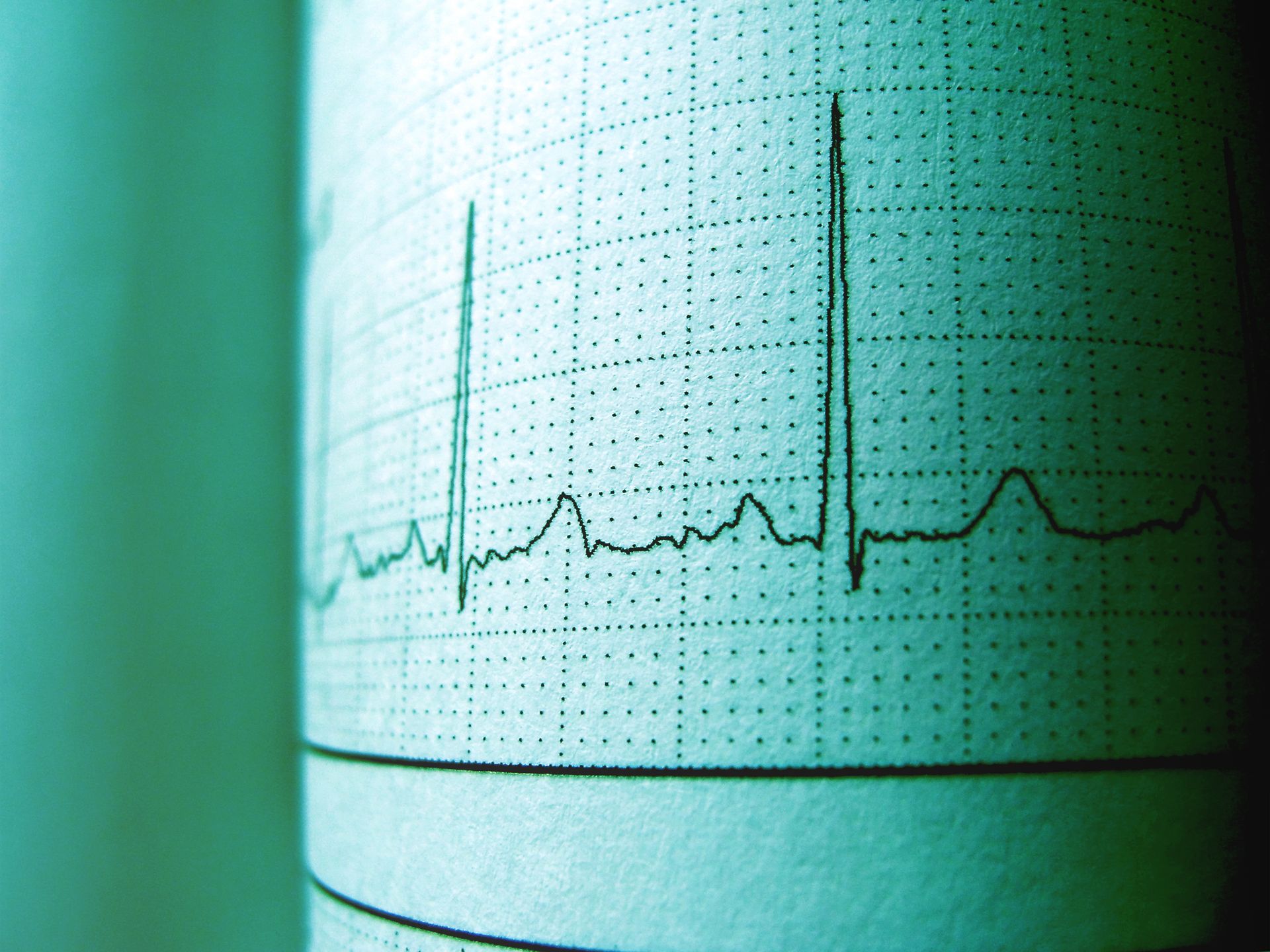
Covid vaccines still cut heart risks: what a large new study shows
A large new study published in JAMA shows that Covid vaccination significantly reduces the risk of heart attack, stroke and other major cardiovascular events. The findings suggest the cardiac protection persists with updated boosters, even after the acute phase of the pandemic.