Calcium and vitamin D for stronger bones: what a major new review actually found
One of the longest-standing habits on the pharmacy shelf is being shaken up. A major new meta-analysis finds that calcium and vitamin D supplements do little to strengthen bones in the average healthy adult.
The review pooled dozens of randomised controlled trials, gathering data on hundreds of thousands of participants into a single analysis. It is one of the largest evidence syntheses ever assembled on this question.
The result clashes with familiar public health messaging. There was no statistically meaningful difference in hip fractures or overall fracture rates between people who took the supplements and those who did not.
There were partial exceptions. Older adults with very low vitamin D levels, and those with diagnosed osteoporosis, did benefit in some scenarios — pushing experts toward a shared conclusion: treat supplementation as a targeted, individual decision rather than a default.
Why did such a widely held medical belief rest on such thin evidence? The early studies were small and short. By the time the message reached the public, it had been compressed into a slogan: everyone should take more calcium and vitamin D.
The real picture is more nuanced. Bone health sits at the intersection of nutrition, physical activity, hormones, alcohol, smoking and genetics — not the contents of one or two pills.
Experts are equally clear that the answer is not to reject supplements outright. Specific risk groups — people with limited sun exposure, darker skin, modest covering of clothing, those in care homes, or with malabsorption disorders — face real vitamin D deficiency.
Another important contribution of the new analysis is its honest accounting of side effects. Long-term high-dose calcium has been linked in some studies to vascular calcification and kidney stones, which makes a blanket prescription approach far from harmless.
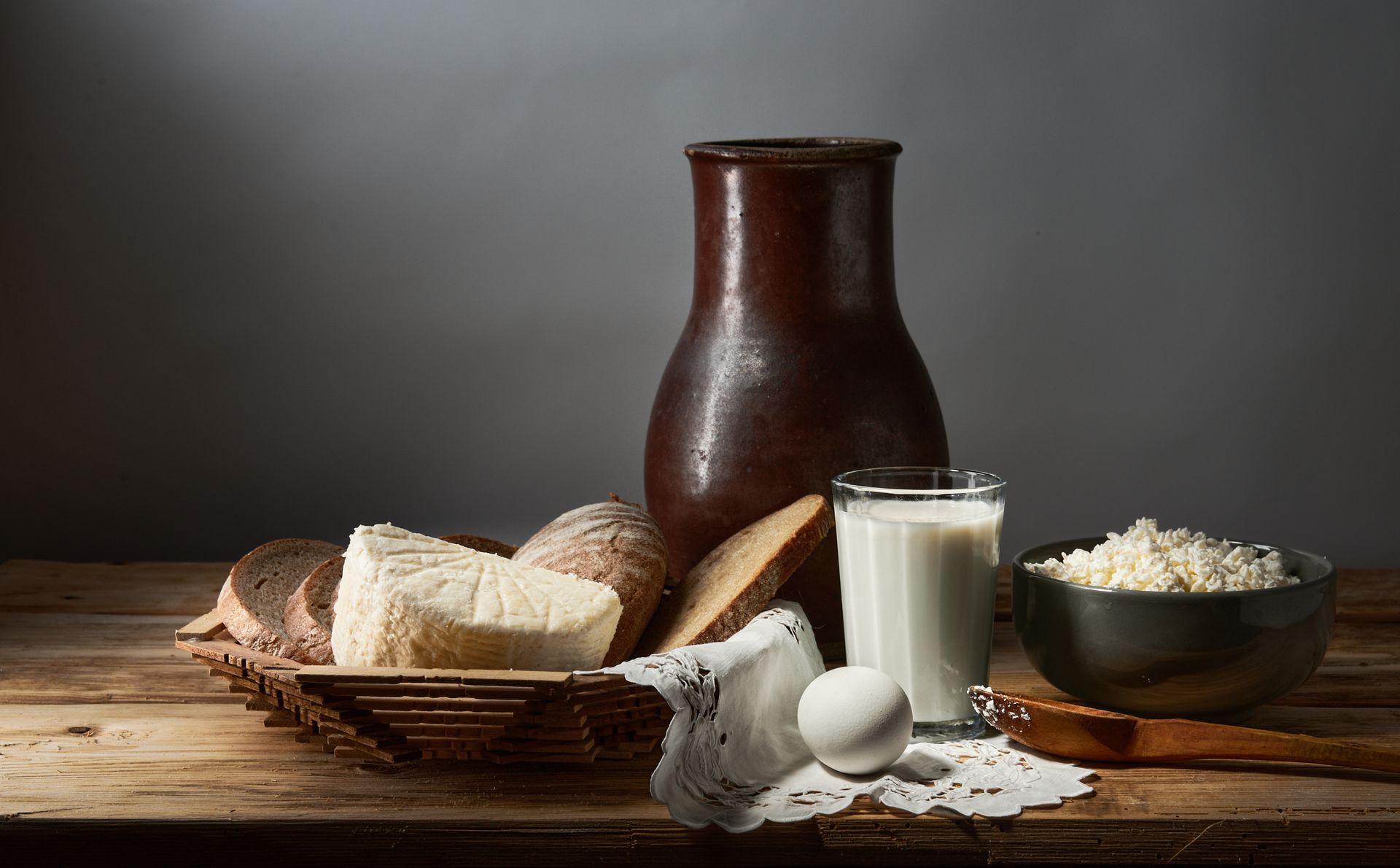
What should readers do? Dietary sources should almost always come first. Milk, yoghurt, cheese, dark leafy greens, oily fish, egg yolks and sunlight provide everything a capsule does, and more besides.
Vesper publishes this as background information; readers who already take, or are considering, supplements should consult their doctor for advice tailored to their personal health history.
Read next

What 'when democracy met science' means at 50: the recombinant DNA story revisited
Fifty years ago, Cambridge, Massachusetts became the first city to publicly debate and regulate recombinant DNA research. As STAT recounts, the story is a reminder of how ordinary citizens can be brought into complex scientific decisions — and offers lessons for today's AI moment.

Nearly 3,000 patients a day on corridor care: inside the NHS's structural crisis
New BBC reporting shows that nearly 3,000 patients a day in England are now receiving care in hospital corridors. Doctors' unions describe the pattern as an 'unacceptable new normal' and are calling for structural fixes.

Reversing prediabetes cuts deadly heart risk by 58%: what the new study shows
New research finds that bringing blood sugar back to normal levels during the prediabetes stage cuts the risk of serious cardiovascular events by 58%. The findings reinforce why prediabetes should be treated as a powerful warning signal, not a minor reading.

One month into DRC's Ebola outbreak: could this be the deadliest yet?
One month into the latest Ebola outbreak in the Democratic Republic of the Congo, health officials warn it could become the deadliest on record if transmission is not contained. Conflict, funding gaps and vaccine logistics are the biggest obstacles to the response.
Covid vaccines still cut heart risks: what a large new study shows
A large new study published in JAMA shows that Covid vaccination significantly reduces the risk of heart attack, stroke and other major cardiovascular events. The findings suggest the cardiac protection persists with updated boosters, even after the acute phase of the pandemic.