One month into DRC's Ebola outbreak: could this be the deadliest yet?
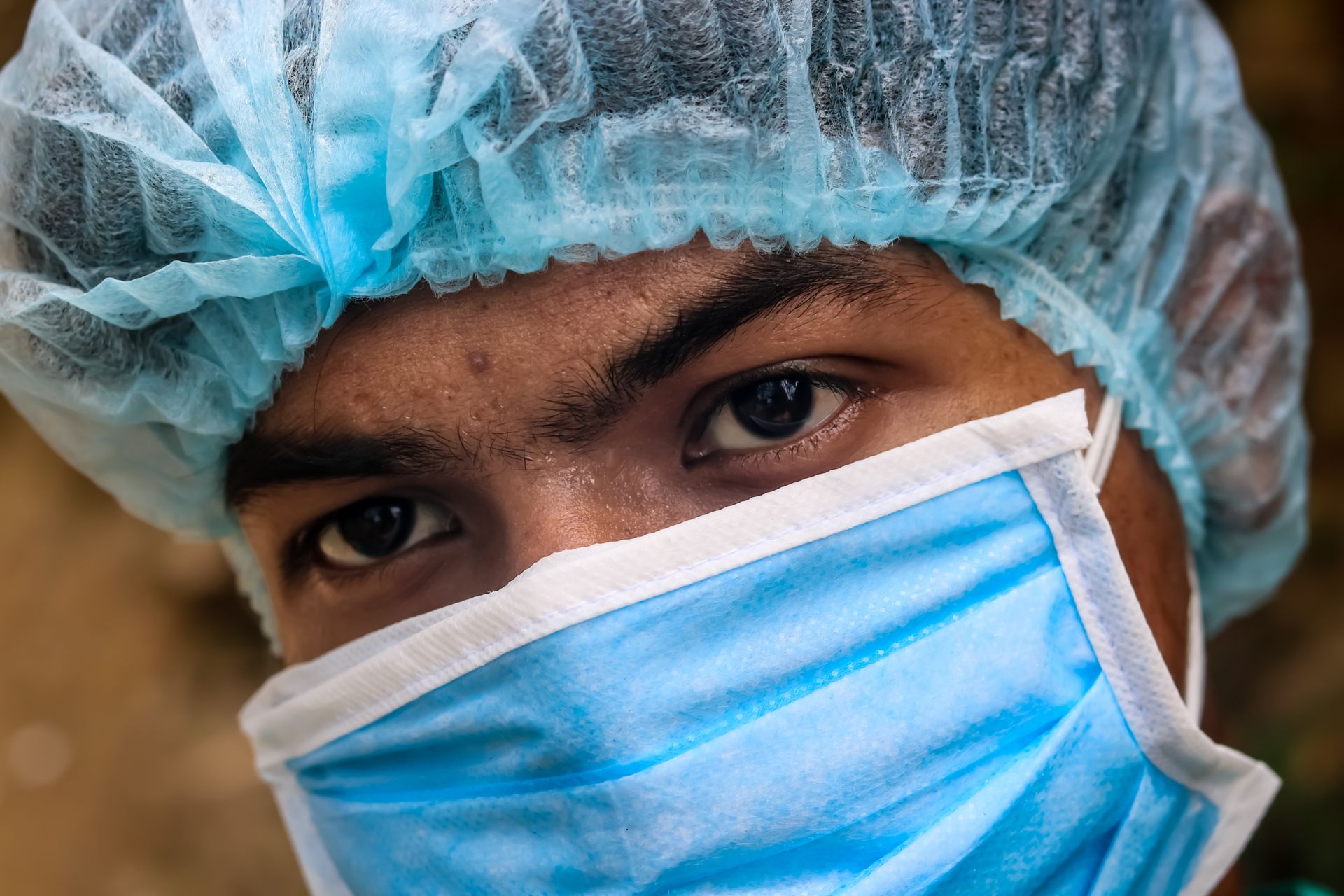
It has now been a month since the first cases of the latest Ebola outbreak were confirmed in the eastern Democratic Republic of the Congo, and the curve has not yet flattened. Case counts and deaths continue to climb.
According to the Guardian, the WHO and other health officials are warning that without effective control measures this could become the deadliest Ebola outbreak on record. The point of comparison is the 2014–2016 West African outbreak, which killed more than 11,000 people.
Several factors make the current outbreak particularly worrying. First, the affected zone sits at the heart of a years-long armed conflict. Health teams must operate in areas where several armed groups remain active, complicating both surveillance and treatment.
A second issue is the contraction of global health funding. Cuts to US international aid have opened significant gaps in the outbreak response. UNICEF, Médecins Sans Frontières and other agencies were already running on stretched budgets.
Third, vaccine stocks are limited. The rVSV-ZEBOV vaccine is again being deployed via ring vaccination, but the number of available doses and the cold-chain logistics needed to move them are major headaches for field teams.
The Guardian's reporting underscores how DRC's health system has been worn down over years of shifting frontlines. Clinics are routinely looted and frontline health workers can go months without pay.
The outbreak has partly spilled beyond DRC's borders. Possible cases have been investigated in neighbouring Uganda and Rwanda; population movement across the region carries real cross-border risk.
At the same time, the region has a deep and experienced medical community. DRC has built substantial institutional knowledge for dealing with Ebola; cities like Goma and Beni have local health teams who know how to set up treatment centres at speed.
Epidemiologists say the next four weeks will be decisive. If contact tracing and vaccination coverage can be kept high enough, the outbreak could begin to plateau by the end of the month.
How quickly the international donor community moves will also be critical. Vesper presents this report for context; readers considering donations to aid organisations should look for groups working directly on the ground in DRC.
Read next

What 'when democracy met science' means at 50: the recombinant DNA story revisited
Fifty years ago, Cambridge, Massachusetts became the first city to publicly debate and regulate recombinant DNA research. As STAT recounts, the story is a reminder of how ordinary citizens can be brought into complex scientific decisions — and offers lessons for today's AI moment.

Nearly 3,000 patients a day on corridor care: inside the NHS's structural crisis
New BBC reporting shows that nearly 3,000 patients a day in England are now receiving care in hospital corridors. Doctors' unions describe the pattern as an 'unacceptable new normal' and are calling for structural fixes.

Reversing prediabetes cuts deadly heart risk by 58%: what the new study shows
New research finds that bringing blood sugar back to normal levels during the prediabetes stage cuts the risk of serious cardiovascular events by 58%. The findings reinforce why prediabetes should be treated as a powerful warning signal, not a minor reading.

Calcium and vitamin D for stronger bones: what a major new review actually found
A large new meta-analysis finds that calcium and vitamin D supplements, taken by millions for bone strength, deliver only limited benefit in reducing fracture risk for most healthy adults. The findings suggest the routine reach for these pills may need rethinking.
Covid vaccines still cut heart risks: what a large new study shows
A large new study published in JAMA shows that Covid vaccination significantly reduces the risk of heart attack, stroke and other major cardiovascular events. The findings suggest the cardiac protection persists with updated boosters, even after the acute phase of the pandemic.