10 months in Antarctica: what 12 people revealed about future Mars missions

To understand what will challenge astronauts most on the way to Mars, scientists went to one of the most isolated places on Earth: Antarctica. A crew of 12 lived at a station cut off almost entirely from the outside world for ten months, with every interaction closely tracked.
The goal was straightforward: understand what a long, enclosed, isolated environment does to human psychology. Antarctic winter offers an ideal laboratory for this kind of research — no way out, rescue nearly impossible, and crew members forced to share a limited space for months on end.
Researchers had expected the biggest threat to be loneliness and disconnection from the outside world. Instead, the findings painted a different picture: the real problem wasn't too little contact, but too much of it with the same small group.
As the frequency of interaction between crew members rose, so did levels of tension and mistrust. Paradoxically, the people who spent the most time together became the ones who trusted each other the least. The constant closeness that becomes unavoidable in an enclosed setting fed friction rather than friendship.
Over time, the crew split into smaller subgroups organized along cultural and language lines. Researchers interpret this not as deliberate exclusion but as a natural pull, under stress, toward familiar, safer-feeling circles — people who shared a language or cultural background tended to cluster together.
The finding carries direct implications for NASA and other space agencies. A mission to Mars means a crew that cannot escape each other for months, potentially years, with no possibility of returning home mid-journey. A breakdown in group cohesion may sound less dramatic than a technical malfunction, but it can threaten a mission's success just as seriously.
Researchers argue that crew selection needs to weigh group dynamics, not just individual resilience. Which combinations of people generate the least friction when placed together could become a measurable factor assessed before a mission ever launches.
The study also suggests that regularly giving crew members personal space and time alone may be healthier than forcing constant togetherness. Counterintuitive as it sounds, the data suggest that deliberately preserving some distance between subgroups can actually ease tension rather than deepen it.
Antarctica is, of course, not a perfect stand-in for Mars — rescue remains theoretically possible, and gravity stays normal. But for studying social isolation and closed-group dynamics, it remains one of the most realistic Earth-based simulations available to scientists.
Researchers now plan to fold the findings into future crew training programs and selection criteria. The goal is to make sure that, by the time humans set foot on Mars, the biggest obstacle isn't rocket engines but the human relationships forged — or strained — behind the same closed door for months at a time.
Read next

FDA approves Replimune's melanoma drug after rejecting it twice
The FDA has approved Replimune's treatment for advanced melanoma, a decision that lands after a turbulent approval saga in which the drug was rejected twice. It marks a significant win for the biotech company and for patient advocates who pushed for the therapy.
What is tau, and why it's become a top target for Alzheimer's drug development
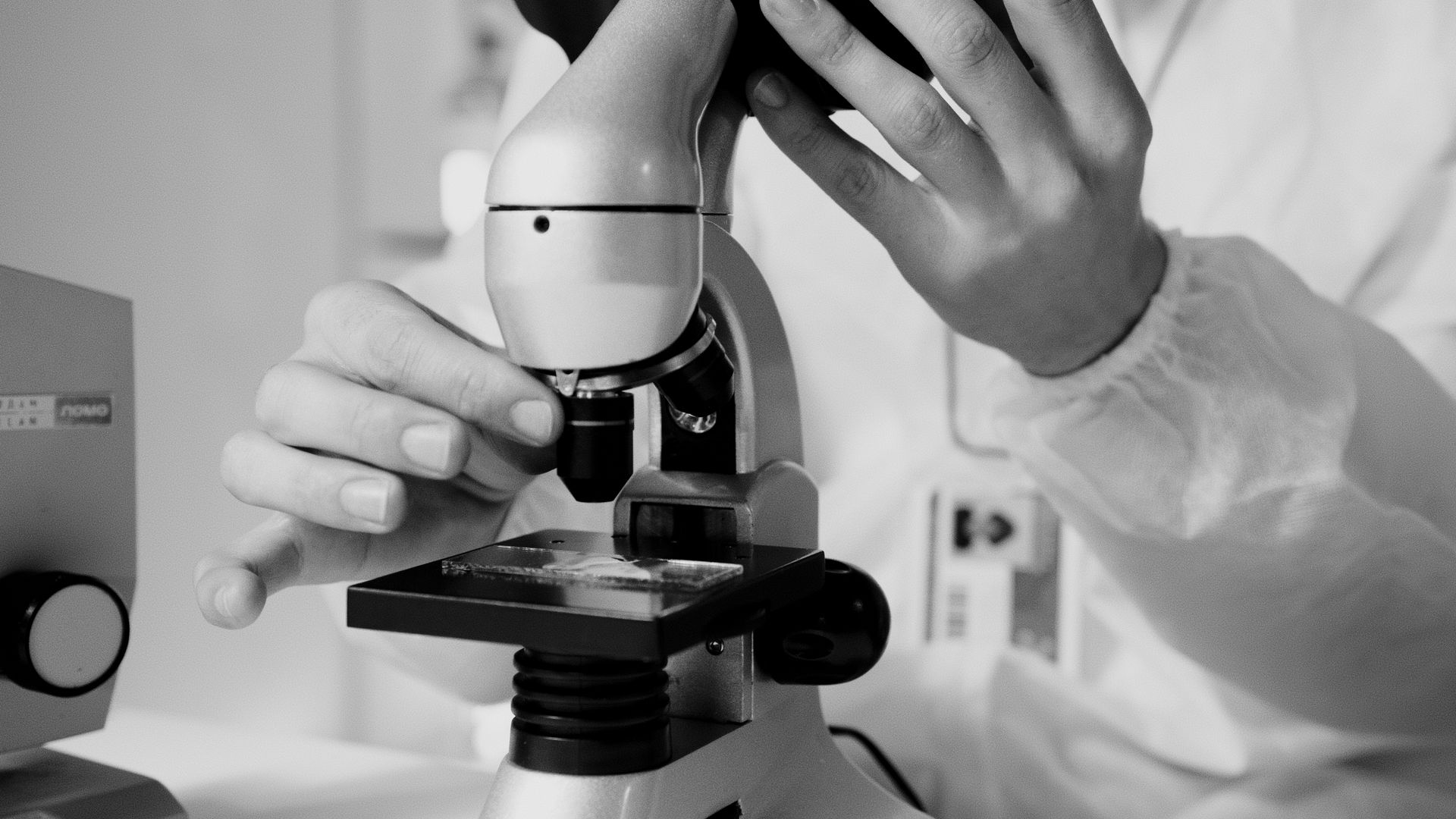
Tau, already one of the most heavily targeted proteins in Alzheimer's drug development, has taken on new importance after a study described a previously unknown role it plays in neurodegeneration. The findings shed light on how tau affects cell structure, opening possible new treatment avenues.
Wasted medicine: why England throws away enough to fill 75 swimming pools a year
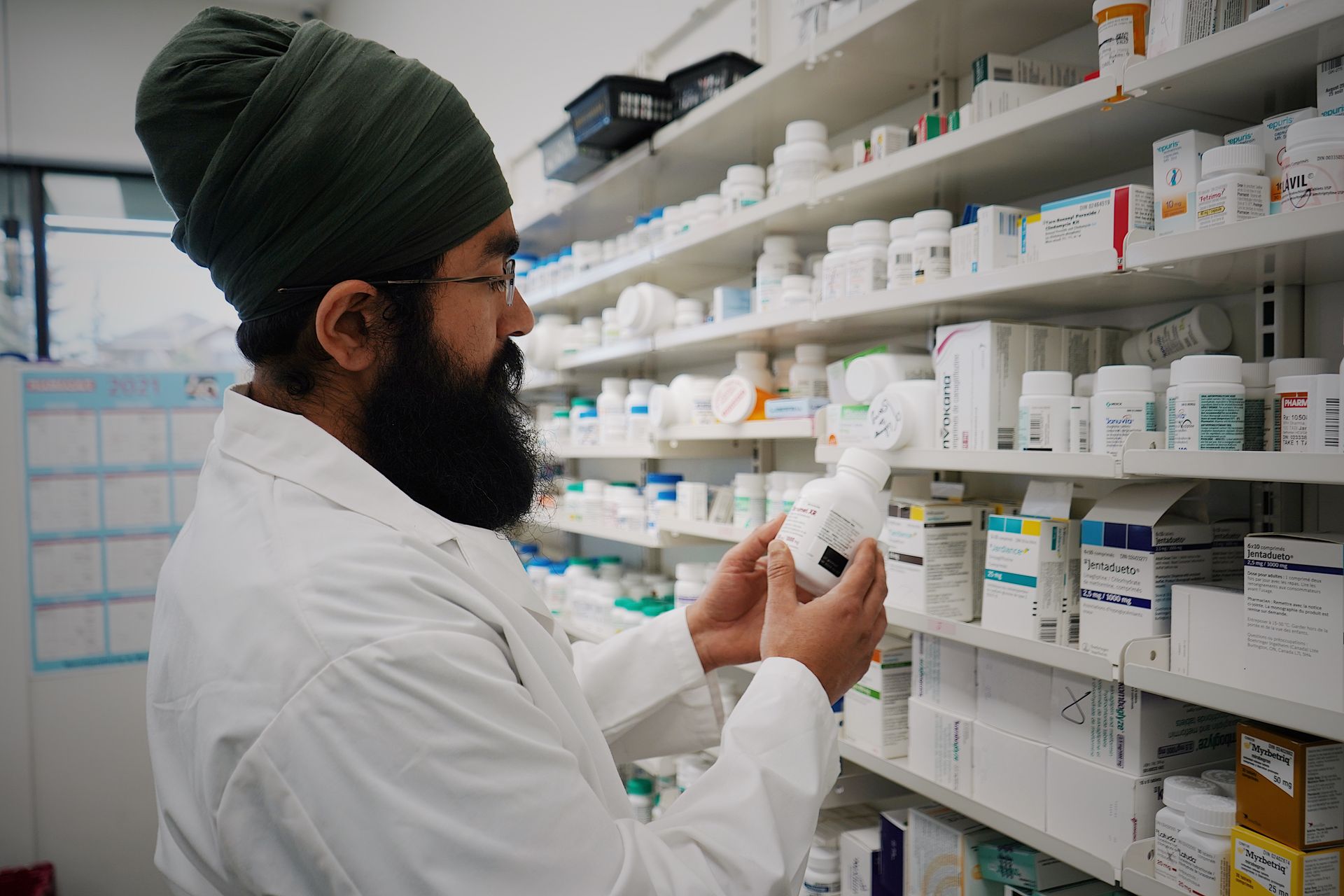
England throws away enough partly used medicine each year to fill 75 swimming pools, according to a pharmacy trade body. The group is calling for more regular reviews of repeat prescriptions to tackle what it describes as a growing problem.

NHS must plan for heatwaves the way it plans for winter, health secretary says
England's health secretary says the NHS needs to prepare for heatwaves with the same seriousness it applies to winter planning. The warning follows a surge in patients and equipment failures at hospitals during periods of high temperatures.
Brain aging at 50: the hidden immune-cell shift scientists just found
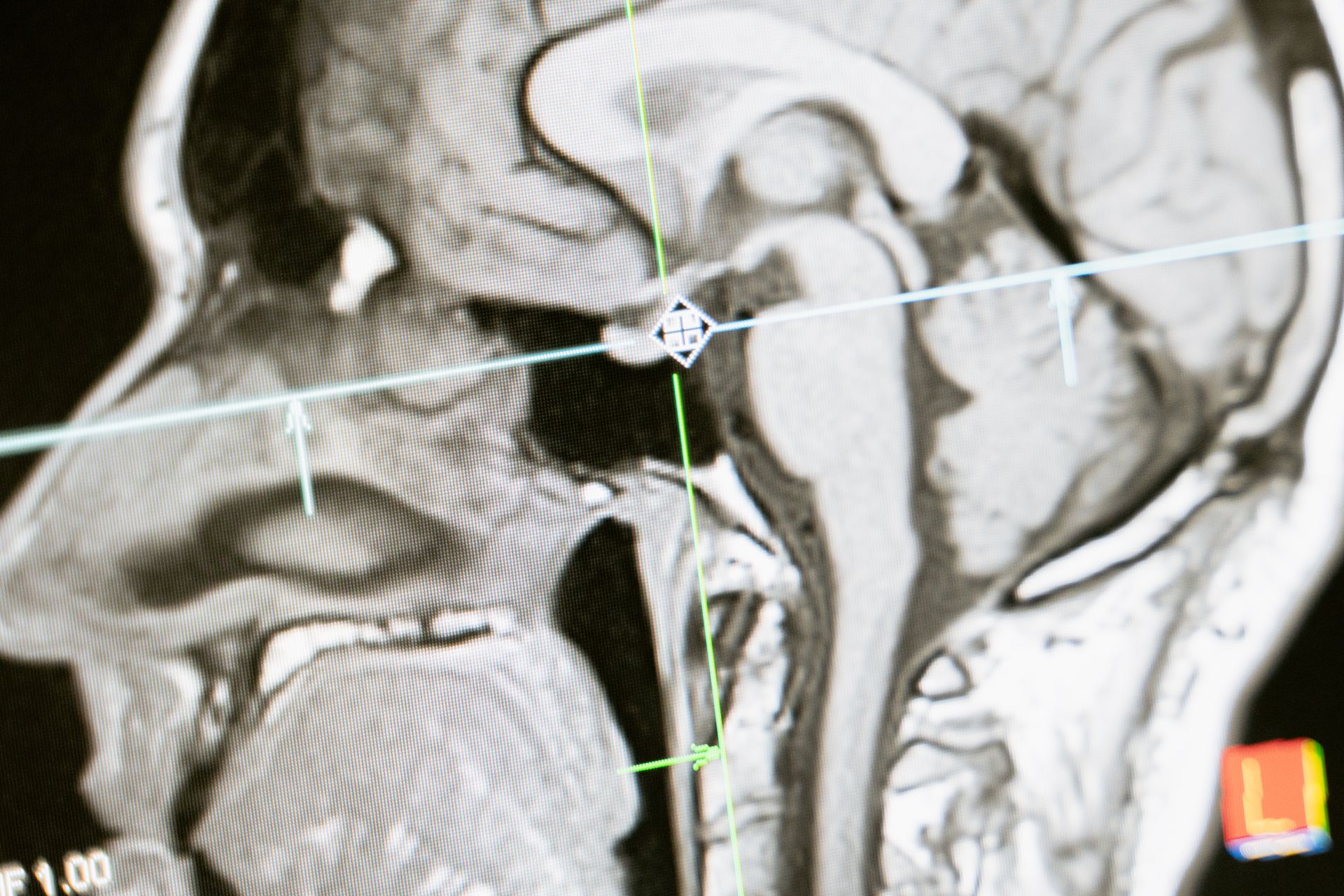
Scientists have found that the brain's memory center undergoes a hidden immune-cell turnover beginning around age 50, as long-resident protective microglia are replaced by more inflammatory ones. The shift may help explain how normal aging sets the stage for Alzheimer's disease and dementia.