Wasted medicine: why England throws away enough to fill 75 swimming pools a year

A body representing England's pharmacy sector says the volume of partly used medicine thrown away each year is enough to fill 75 Olympic-sized swimming pools. According to the National Pharmacy Association (NPA), roughly 3,400 tonnes of medicine were disposed of in England during 2024-25.
The figure isn't just an abstract waste statistic. Every discarded box represents money already spent from the NHS prescription budget, on a product that was manufactured, packaged, and delivered to a pharmacy. The NPA describes the scale of the problem as "growing" and in need of urgent attention.
Much of the waste is linked to the repeat prescription system. Many patients with chronic conditions receive medicine through prescriptions that renew automatically at regular intervals; but when a treatment plan changes, a dose is adjusted, or a patient simply stops taking a medicine, leftover boxes tend to pile up in cabinets and eventually end up in the bin.
The NPA's proposed fix is more frequent and more careful review of repeat prescriptions. Regular check-ins between pharmacists, family doctors and patients to confirm how much medicine is actually still needed could help cut back on unnecessary stockpiling.
There's also a safety dimension to the problem. Unused medicine accumulating at home raises the risk of accidental ingestion, access by children, or improper disposal that lets drugs leak into the environment. Most medicines are meant to be disposed of through designated collection points, not household waste.
The cost dimension is too large to dismiss as a side issue. The NHS prescription system draws on public funds, and every wasted box represents resources that could have gone elsewhere in a health system already under budget pressure.
Pharmacists suggest patients regularly review their medicine cabinets and return unused drugs to a pharmacy rather than throwing them away. That ensures safe disposal and also helps the system get a clearer picture of the true scale of the waste.
Some experts see the wider rollout of digital prescribing systems as part of the solution. Where a patient's medication history is tracked more transparently, unnecessary renewals should, in theory, be easier to catch before they happen.
Still, the NPA stresses that technology alone won't solve the problem — regular human review needs to stay at the centre of the system. Prescription renewal moments should be treated as opportunities to question not just whether a medicine should continue, but whether it's still genuinely needed.
The figure, in the end, points to a problem that looks small at the level of a single box but adds up to a substantial inefficiency across England's health system — and suggests the fix lies less in a big technological leap than in adding more attention and regular review to the prescribing process itself.
Read next

FDA approves Replimune's melanoma drug after rejecting it twice
The FDA has approved Replimune's treatment for advanced melanoma, a decision that lands after a turbulent approval saga in which the drug was rejected twice. It marks a significant win for the biotech company and for patient advocates who pushed for the therapy.

What is tau, and why it's become a top target for Alzheimer's drug development
Tau, already one of the most heavily targeted proteins in Alzheimer's drug development, has taken on new importance after a study described a previously unknown role it plays in neurodegeneration. The findings shed light on how tau affects cell structure, opening possible new treatment avenues.

NHS must plan for heatwaves the way it plans for winter, health secretary says
England's health secretary says the NHS needs to prepare for heatwaves with the same seriousness it applies to winter planning. The warning follows a surge in patients and equipment failures at hospitals during periods of high temperatures.

10 months in Antarctica: what 12 people revealed about future Mars missions
Scientists spent ten months tracking a 12-person crew in Antarctica to simulate the conditions of a future Mars mission. The results suggest the bigger threat to long-duration spaceflight isn't loneliness, but too much close contact with the same small group of people.
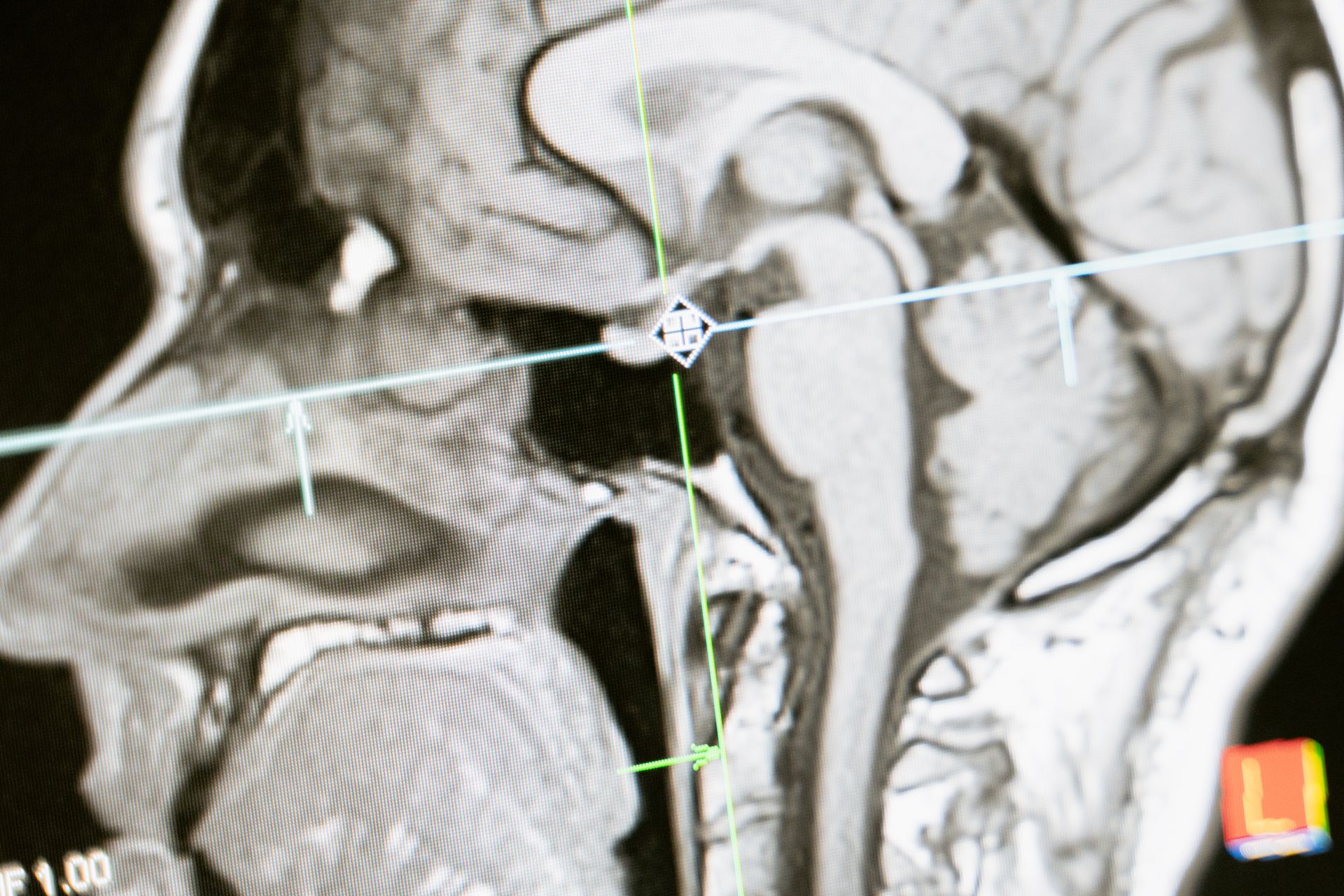
Brain aging at 50: the hidden immune-cell shift scientists just found
Scientists have found that the brain's memory center undergoes a hidden immune-cell turnover beginning around age 50, as long-resident protective microglia are replaced by more inflammatory ones. The shift may help explain how normal aging sets the stage for Alzheimer's disease and dementia.