NHS must plan for heatwaves the way it plans for winter, health secretary says

England's health secretary says the NHS needs to start treating heatwaves with the same seriousness it applies to winter planning. The comments follow several recent summers in which hospitals faced surging patient numbers and equipment failures during periods of extreme heat.
The NHS has traditionally focused its seasonal preparation on winter: flu vaccination drives, extra bed capacity, and specific plans to manage the annual surge in emergency admissions are drawn up well in advance each year. The secretary's message is that a similarly systematic approach is now needed for summer.
During recent heatwaves, hospitals reported rising numbers of patients, particularly among older people and those with chronic conditions. Heat-related admissions have included dehydration, worsening heart and respiratory conditions, and cases of heatstroke.
The problem isn't limited to patient volume. Some hospitals have also reported infrastructure strain — inadequate cooling systems, medical equipment overheating, and disrupted conditions for drug storage. Much of the NHS estate was built decades ago, without today's temperature extremes in mind.
Experts note that a large share of England's building stock was designed for a cooler climate, leaving it structurally vulnerable to extreme heat. Hospitals are not exempt from this broader pattern, and temperature control in sensitive areas such as intensive care units and operating theatres is especially critical.
The proposed approach treats heatwaves as a predictable, recurring seasonal risk rather than a one-off emergency. That includes early-warning systems, preparedness checklists for hospitals, and targeted communication campaigns aimed at vulnerable groups — older people, infants, and those with chronic illness.
Climate data underpins the push. Record-breaking temperatures and longer heatwaves recorded across England in recent years suggest such events are no longer exceptions but a regularly recurring seasonal reality.
Health officials argue that a winter-style summer strategy should extend beyond hospital operations to public health messaging as well — local authorities opening cooling centres, and family doctors flagging at-risk patients in advance, among the measures under discussion.
Critics warn that such plans risk staying on paper without adequate funding. With the NHS already stretched for capacity even during winter, where a separate summer preparedness budget would come from remains an open question.
Still, the health secretary's remarks are being read as a formal acknowledgment that heatwaves are no longer an exceptional weather event for the health service, but a seasonal risk that now demands the same structured planning as winter.
Read next

FDA approves Replimune's melanoma drug after rejecting it twice
The FDA has approved Replimune's treatment for advanced melanoma, a decision that lands after a turbulent approval saga in which the drug was rejected twice. It marks a significant win for the biotech company and for patient advocates who pushed for the therapy.

What is tau, and why it's become a top target for Alzheimer's drug development
Tau, already one of the most heavily targeted proteins in Alzheimer's drug development, has taken on new importance after a study described a previously unknown role it plays in neurodegeneration. The findings shed light on how tau affects cell structure, opening possible new treatment avenues.

Wasted medicine: why England throws away enough to fill 75 swimming pools a year
England throws away enough partly used medicine each year to fill 75 swimming pools, according to a pharmacy trade body. The group is calling for more regular reviews of repeat prescriptions to tackle what it describes as a growing problem.

10 months in Antarctica: what 12 people revealed about future Mars missions
Scientists spent ten months tracking a 12-person crew in Antarctica to simulate the conditions of a future Mars mission. The results suggest the bigger threat to long-duration spaceflight isn't loneliness, but too much close contact with the same small group of people.
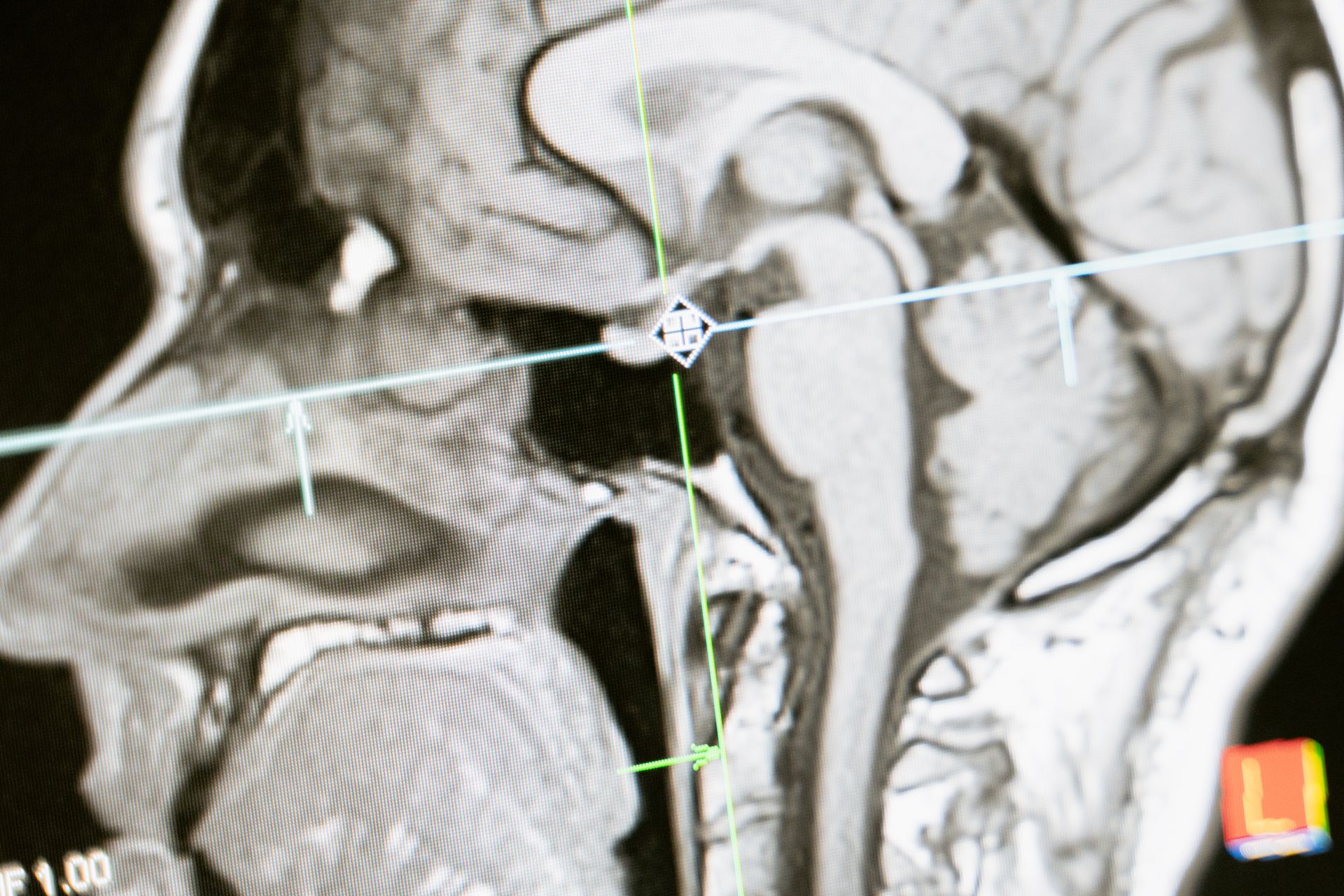
Brain aging at 50: the hidden immune-cell shift scientists just found
Scientists have found that the brain's memory center undergoes a hidden immune-cell turnover beginning around age 50, as long-resident protective microglia are replaced by more inflammatory ones. The shift may help explain how normal aging sets the stage for Alzheimer's disease and dementia.