Brain aging at 50: the hidden immune-cell shift scientists just found
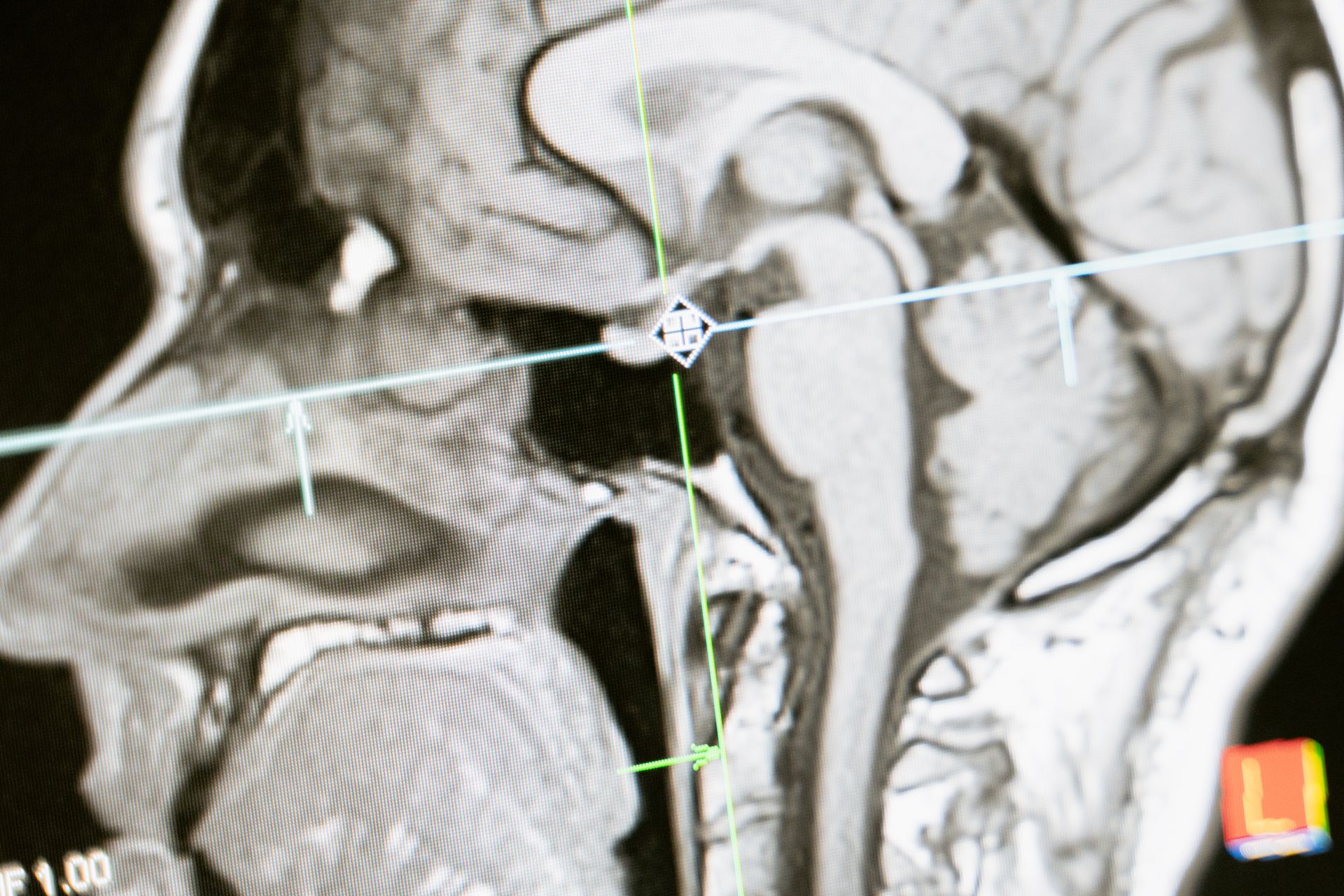
The hippocampus, the brain's memory center, appears to undergo a quiet but consequential shift around the midpoint of adult life. According to a new study, the mix of immune cells in this region changes markedly starting around age 50: protective cells that have resided there for decades decline, and cells with a more inflammatory profile move in to take their place.
Those cells are called microglia. They function as the brain's resident immune system, clearing away damaged material, pruning unnecessary synaptic connections, and defending neurons against infection. In a healthy brain, most microglia sit in a calm, protective "homeostatic" state that keeps tissue in balance.
The researchers found that this homeostatic microglia population in the hippocampus shrinks with age, giving way to a disease-associated microglia profile that produces inflammatory signals. Notably, the shift appears to begin in midlife rather than in old age — a much earlier starting point than many scientists expected.
The hippocampus wasn't chosen at random. It is central to forming new memories and consolidating daily experience into long-term storage, and it is also one of the first regions where Alzheimer's disease typically leaves its mark — making it a natural focus for understanding age-related cognitive decline.
What makes the finding notable is that the inflammatory microglia profile observed in the study resembles a signature previously identified in the brains of Alzheimer's patients. That resemblance is pushing researchers toward the idea that normal aging may prime the brain for neurodegeneration long before disease symptoms appear.
The implication is that the line between ordinary aging and disease may be blurrier than assumed. Scientists have long treated normal brain aging as background noise against which Alzheimer's develops; this study suggests that background itself involves a measurable, cellular-level transformation.
There's a practical angle for drug development. If the microglia turnover begins years before symptoms, therapies that target these cells early could prove more effective than treatments that intervene only after cognitive decline is already underway. Several experimental drugs already aim to regulate microglial activation.
Researchers remain cautious, however. The findings rest on comparisons of brain tissue samples across a wide age range, and this kind of cross-sectional data shows association rather than proof of a fixed, universal timeline. Genetics, lifestyle, and environmental factors are all thought to be able to speed up or slow down the transition.
Still, the results are a reminder that midlife may be a more consequential turning point for brain health than commonly assumed. Researchers are now pushing toward longer-running studies tracking who experiences this microglial transition faster or slower, and how that correlates with cognitive performance over time.
The hope is to turn this quiet shift in the 50s from a hidden process into an early warning sign — and, eventually, a window for intervention before symptoms of decline ever appear.
Read next

FDA approves Replimune's melanoma drug after rejecting it twice
The FDA has approved Replimune's treatment for advanced melanoma, a decision that lands after a turbulent approval saga in which the drug was rejected twice. It marks a significant win for the biotech company and for patient advocates who pushed for the therapy.

What is tau, and why it's become a top target for Alzheimer's drug development
Tau, already one of the most heavily targeted proteins in Alzheimer's drug development, has taken on new importance after a study described a previously unknown role it plays in neurodegeneration. The findings shed light on how tau affects cell structure, opening possible new treatment avenues.

Wasted medicine: why England throws away enough to fill 75 swimming pools a year
England throws away enough partly used medicine each year to fill 75 swimming pools, according to a pharmacy trade body. The group is calling for more regular reviews of repeat prescriptions to tackle what it describes as a growing problem.

NHS must plan for heatwaves the way it plans for winter, health secretary says
England's health secretary says the NHS needs to prepare for heatwaves with the same seriousness it applies to winter planning. The warning follows a surge in patients and equipment failures at hospitals during periods of high temperatures.

10 months in Antarctica: what 12 people revealed about future Mars missions
Scientists spent ten months tracking a 12-person crew in Antarctica to simulate the conditions of a future Mars mission. The results suggest the bigger threat to long-duration spaceflight isn't loneliness, but too much close contact with the same small group of people.