Is the biotech capital of the world shifting from Boston to San Francisco?
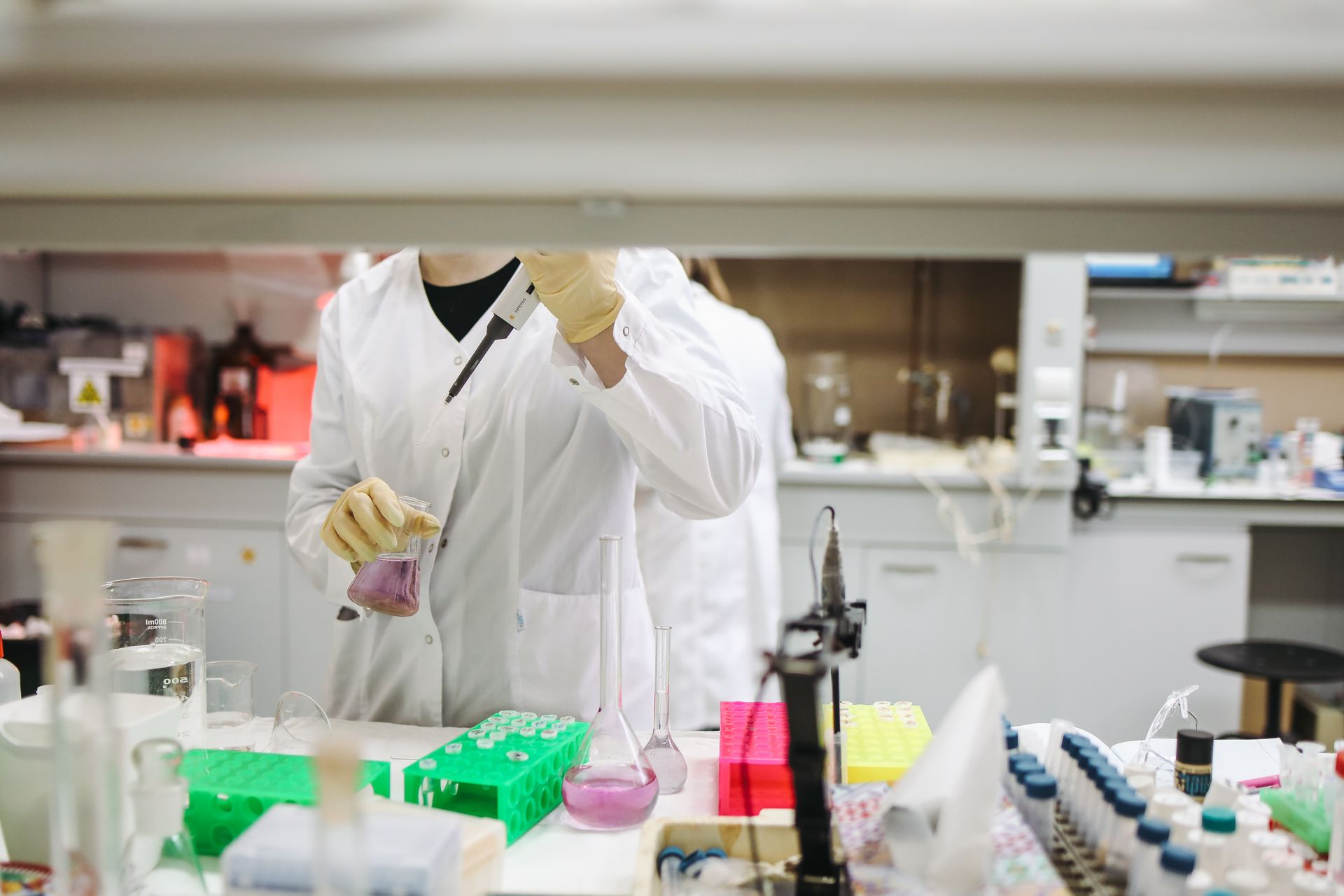
Kendall Square in Cambridge, Massachusetts, packs the world's densest concentration of biotech companies into roughly half a square mile. Moderna, Biogen, Sanofi and countless startups have clustered there for decades, drawn by proximity to MIT and Harvard. The industry has long treated it as biotech's beating heart.
But the balance has begun to shift in recent years. The San Francisco Bay Area has emerged as a fast-growing hub, particularly for AI-driven drug discovery. The concentration of major tech companies in the region makes it easier for biotech startups to collaborate directly with AI engineers.
San Francisco-based startups are adapting large language models to processes like protein folding prediction and drug candidate screening, aiming to compress the traditional drug discovery timeline. The approach has drawn intense interest from venture capital investors.
Industry data suggests a meaningful share of newly founded AI-focused biotech startups are now based in the Bay Area. That has pulled some venture capital that would traditionally have flowed to Boston westward instead.
Defenders of Boston argue that Kendall Square's advantages cannot easily be replicated elsewhere. The region's clinical research infrastructure, regulatory expertise, and decades of relationships with pharmaceutical companies represent an accumulated depth that a new hub cannot match quickly.
Experts also note the competition may not be zero-sum. Many companies now maintain offices in both regions, pairing Boston's clinical and regulatory expertise with the Bay Area's AI talent pool.
Still, some investors believe capital will gravitate over the long run toward wherever AI computation is centered. As drug discovery becomes increasingly computational, the importance of physical laboratory infrastructure may diminish relative to computing power and machine learning talent.
On the other hand, later stages of drug development — clinical trials, manufacturing, and regulatory approval — still require physical and institutional infrastructure that took decades to build. For that reason, few expect Boston's position to erode dramatically in the near term.
Analysts say the rivalry between the two regions reflects a broader transformation underway in biotech: the integration of artificial intelligence into drug discovery is reshaping the industry's geographic and institutional structure.
Ultimately, the debate over biotech's true capital is unlikely to be settled soon. But the fact that the question is being asked seriously at all shows how far AI's influence over drug development has come.
Read next

What are the signs of compulsive porn use, and what does recovery look like?
After a former Team GB Olympian spoke publicly about overcoming compulsive porn use, experts explain the warning signs to watch for and the treatment paths available. Specialists say the behavior is a frequently overlooked form of behavioral addiction.

Millions in England face longer mental health care waits as providers plan cuts
A survey of NHS mental health providers in England found seven in ten expect to reduce or close services, while more than half anticipate job losses. Experts warn the cuts could delay care for millions of adults and children already facing surging demand.

Maternity unit suspension in rural Devon leaves expectant mothers facing stark choices
The suspension of birthing services at one of England's most remote hospitals is forcing expectant mothers in North Devon to choose between traveling two hours to the nearest maternity unit or paying for a hotel near the hospital before labor begins.

Wine, beer, or spirits: what a 340,000-person study reveals about alcohol and health
A study tracking more than 340,000 adults for over a decade found heavy drinking raises mortality risk regardless of beverage type. At moderate levels, though, the picture diverged sharply: wine drinkers showed lower cardiovascular risk than beer, cider, or spirits drinkers.
Sanofi drug shortage leaves Pompe disease patients scrambling for treatment
Sanofi is facing shortages of two enzyme-replacement medicines used to treat Pompe disease, a rare and progressive muscle-wasting disorder. Patient advocacy groups say interrupted treatment can cause irreversible harm.