Sanofi drug shortage leaves Pompe disease patients scrambling for treatment
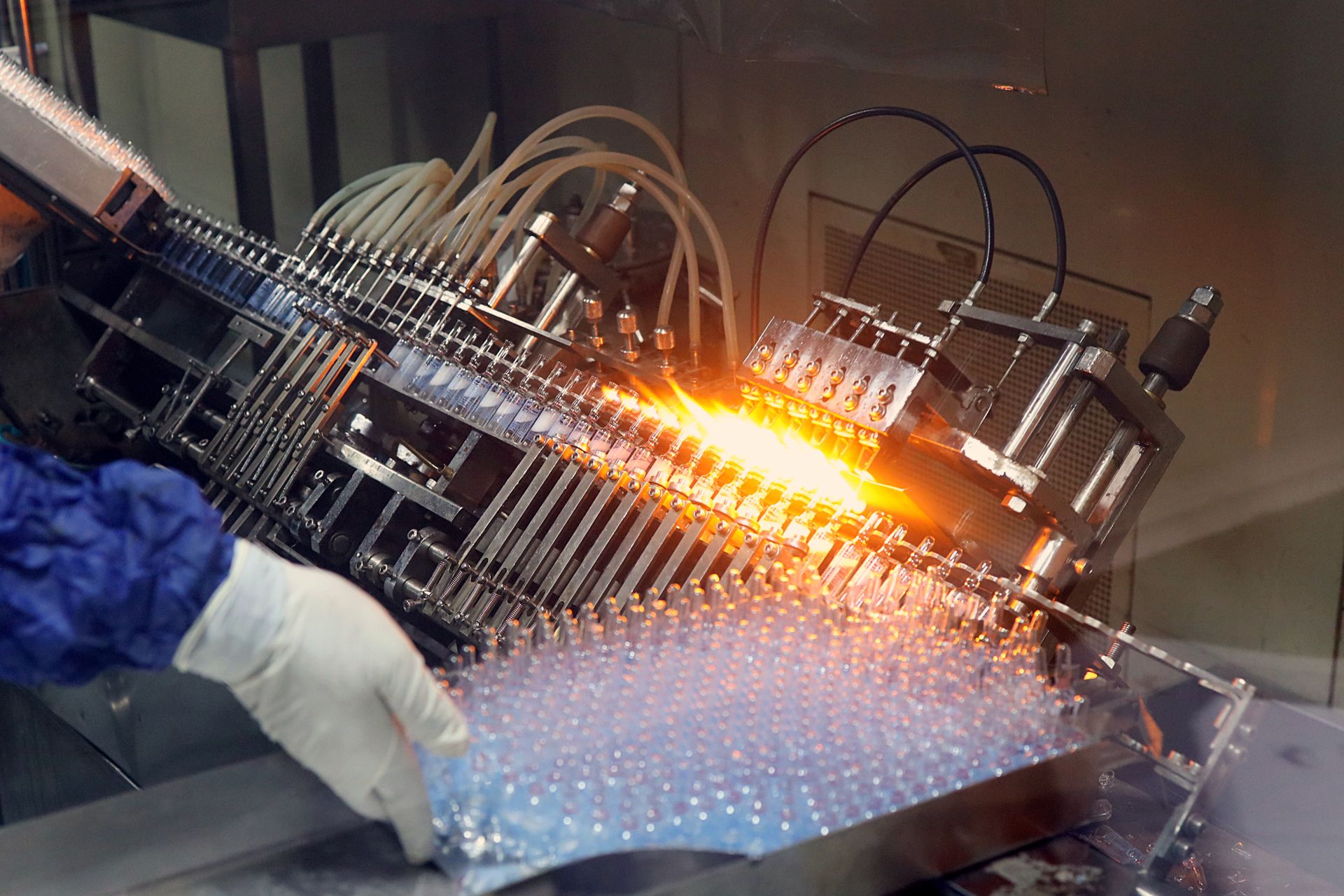
Pompe disease is a rare, inherited metabolic disorder in which the body cannot break down glycogen that accumulates in muscle tissue. Left untreated, it progressively weakens the muscles, impairs breathing, and can be fatal. The standard treatment is enzyme replacement therapy, which supplies the missing enzyme intravenously, and most patients depend on it for life.
Sanofi has confirmed shortages of Myozyme and Nexviazyme, the two enzyme replacement therapies most widely used to treat the disease. The company cited manufacturing capacity and supply chain constraints but has not detailed which production sites are affected.
Patient advocacy groups say the stakes are high. In a progressive muscle disease like Pompe, any interruption to treatment risks irreversible loss of muscle function. Families and patients are now working with clinics to understand whether doses will be delayed or reduced.
Experts stress that enzyme replacement therapy depends on consistent, regular dosing to be effective. Infusions are typically administered every two weeks, and a missed or delayed dose can directly affect a patient's respiratory muscles and heart function.
Sanofi says it is prioritizing existing stock for the most critical patients and has issued guidance to physicians on dose management during the shortage. Patient groups counter that such stopgap measures are not a sustainable long-term solution.
The shortage highlights the underlying fragility of manufacturing biologic drugs for rare diseases. These therapies rely on complex, cell-culture-based production processes, where even minor disruptions can trigger supply problems lasting months.
The episode has reignited a broader conversation about supply chain resilience for rare disease medicines. When a single manufacturer supplies a therapy with no readily available alternative, any production hiccup can affect thousands of patients with nowhere else to turn.
Patient organizations are calling on regulators to require greater supply chain transparency and to speed approval of alternative manufacturers for critical rare-disease therapies. In the United States, the Food and Drug Administration says it is formally tracking the shortage.
Sanofi says it is investing to expand production capacity and expects the shortage to ease in the coming months, though it has not offered a firm timeline for full recovery.
In the meantime, uncertainty persists for patients and families. Rare disease communities are pushing for greater redundancy in drug manufacturing to prevent similar shortages from recurring.
Read next

What are the signs of compulsive porn use, and what does recovery look like?
After a former Team GB Olympian spoke publicly about overcoming compulsive porn use, experts explain the warning signs to watch for and the treatment paths available. Specialists say the behavior is a frequently overlooked form of behavioral addiction.

Millions in England face longer mental health care waits as providers plan cuts
A survey of NHS mental health providers in England found seven in ten expect to reduce or close services, while more than half anticipate job losses. Experts warn the cuts could delay care for millions of adults and children already facing surging demand.

Maternity unit suspension in rural Devon leaves expectant mothers facing stark choices
The suspension of birthing services at one of England's most remote hospitals is forcing expectant mothers in North Devon to choose between traveling two hours to the nearest maternity unit or paying for a hotel near the hospital before labor begins.

Wine, beer, or spirits: what a 340,000-person study reveals about alcohol and health
A study tracking more than 340,000 adults for over a decade found heavy drinking raises mortality risk regardless of beverage type. At moderate levels, though, the picture diverged sharply: wine drinkers showed lower cardiovascular risk than beer, cider, or spirits drinkers.
Is the biotech capital of the world shifting from Boston to San Francisco?
For decades, Boston's Kendall Square has been considered the world's biotech capital. Now the San Francisco Bay Area's AI-driven drug discovery boom is drawing talent and capital west, raising questions about whether the center of gravity is shifting.