NHS expands subcutaneous cancer jab that cuts hospital infusion time to 30 minutes
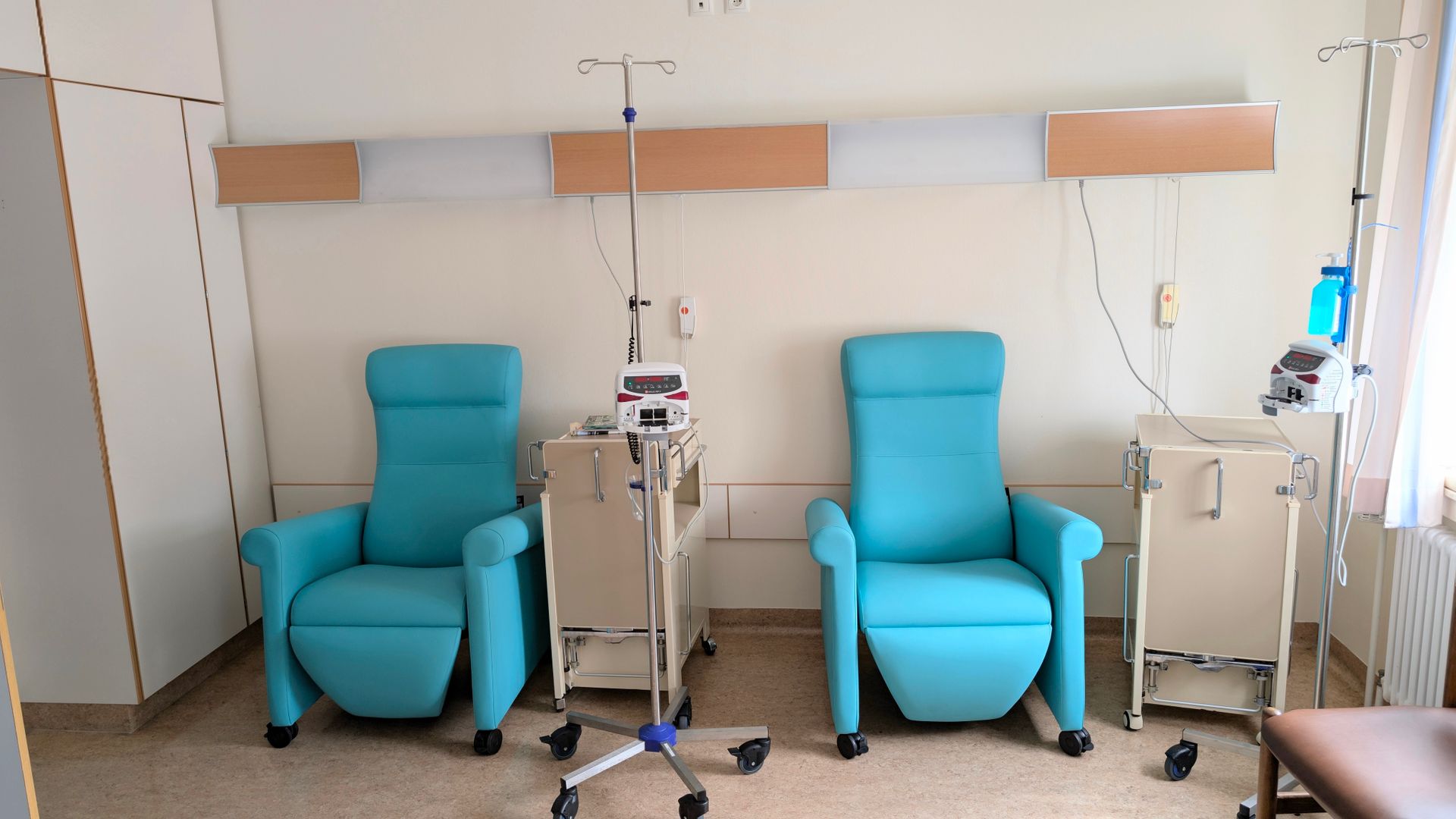
NHS England has begun rolling out a subcutaneous, injectable form of the cancer immunotherapy atezolizumab to 50 hospital sites across England. According to the BBC, the new format reduces the treatment time for the current intravenous form from 60-90 minutes to about 30 minutes. That represents a significant change for both patient experience and hospital capacity.
Atezolizumab is an immune checkpoint inhibitor that targets the PD-L1 pathway. It is used in the treatment of certain types of cancer including lung, bladder and liver cancers. The injectable form of the drug was approved by the European Medicines Agency (EMA) in 2024; the US Food and Drug Administration (FDA) authorised its entry into the US market the same year.
NHS England's published estimate suggests the new format will directly affect more than 10,000 patients each year. While patients on the intravenous form had to spend four to five hours in the hospital, patients on the new format will be able to leave within about two hours, including post-treatment observation. By that calculation, total savings amount to around 200,000 patient days a year.
The first deployment will begin in major cancer centres in Manchester, Birmingham, Leeds and Newcastle. Over the coming six months, distribution is expected to extend to the rest of England. NHS Wales and NHS Scotland are also said to be preparing a similar transition, although no official timetable has yet been published.
Professor Peter Johnson, NHS England's national clinical director for cancer, told the BBC: "This injectable form makes the patient experience less invasive and frees up our hospitals' capacity for other patients." Johnson said the reduction in infusion times, combined with investments in digital appointment management, would also help reduce waiting times at cancer centres.
The injectable form has a side-effect profile broadly similar to the intravenous version. In clinical trials, the observed effects included mild fatigue, local reactions at the injection site, and rare immune-related events. Rates of serious side effects remained at the levels seen with the intravenous version. Patients are still observed in a hospital environment at the start of treatment.
Dr Karis Betts of Macmillan Cancer Support told the BBC that the new format would make a noticeable difference, particularly for patients who live a long way from a cancer centre or have caring responsibilities. "The difference between two and four hours is something that very few health planners actually calculate in terms of how it plays out in everyday life," she said.
On the cost side, the new format is at a similar single-dose price. But NHS England's calculations are that indirect savings, from less nursing time and reduced occupancy of hospital beds, lower the total financial burden of the treatment by an estimated 35 million pounds a year. That saving will be redirected to other drug-budget areas.
Roche, the drug's manufacturer, provided written comment to the BBC on the design of the new form. The company's representative explained that injection into the subcutaneous adipose tissue releases the drug into the bloodstream gradually, which is how the same effective concentration is maintained. Because storage and transport conditions are the same as for the intravenous form, no additional logistical requirements are created.
The injectable format is expected to spread to other immunotherapy drugs in the coming years. Clinical trials for the injectable form of pembrolizumab and other drugs with similar profiles are currently at Phase 3. The BBC's report says the NHS could, by leading on this transition, serve as a model for other countries.