Five practical ways to keep children cool during a heatwave
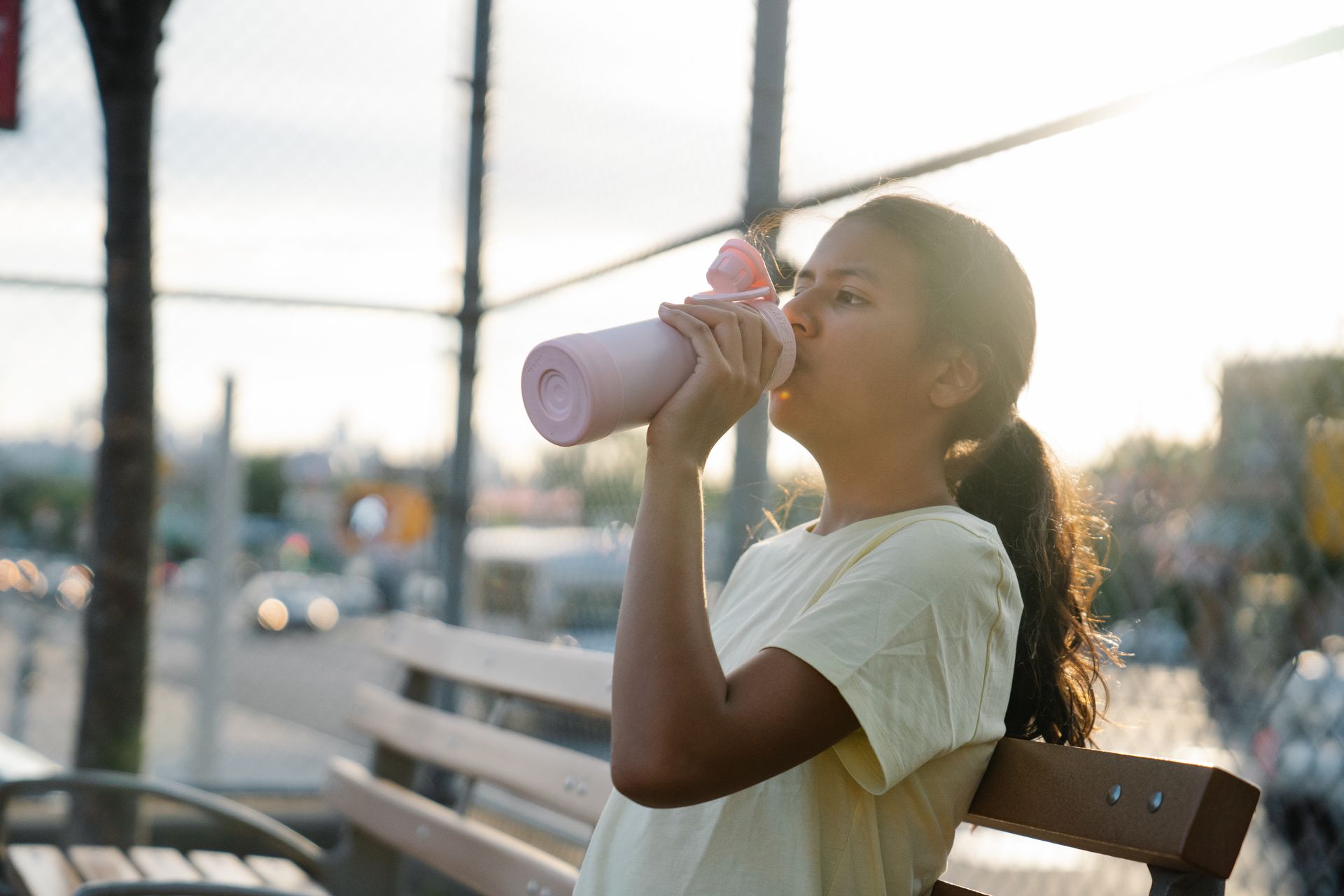
As temperatures rise across the UK and other parts of Europe, paediatricians say the most common question they receive is the same one: how do families keep babies and young children safe in a heatwave? BBC News, drawing on advice from the UK Health Security Agency (UKHSA) and the Royal College of Paediatrics and Child Health, sets out five low-cost steps that cover most situations. Children warm up faster than adults because they have a larger surface area relative to body mass and less developed sweating mechanisms, the BBC notes.
The first step is hydration. UKHSA says infants under one should continue with breast or formula feeds as normal, with small amounts of cooled boiled water offered between feeds when the temperature rises above about 25C. For older children, thirst is an unreliable signal — the agency recommends offering water, diluted juice or milk regularly through the day, and watching for urine that stays pale yellow.
The second step is clothing. Loose, light-coloured cotton garments allow the skin to breathe; a wide-brimmed hat shields the neck and ears, and a sunscreen with at least SPF 30 should be reapplied every two hours. Paediatricians stress that babies under six months should be kept out of direct sunlight altogether and that pushchair sun shades alone are not enough — air must still be able to circulate.
The third step concerns timing. Intense outdoor play and direct sun should be avoided between 11:00 and 15:00, when UV intensity peaks. Park visits, walks and beach trips work best in the early morning or late afternoon. UKHSA also warns about reflective surfaces — car parks, white walls, sand — where ground-level temperature can be far higher than the air reading, especially for buggies sitting in direct sun.
The fourth step focuses on the bedroom. The recommended sleep temperature for a child is between 16C and 20C; above that, a single thin sheet is enough. Windows should stay closed and shaded during the hot part of the day and opened when the outside air drops below the inside reading, usually after sunset. If a fan is used, it should not blow directly on a baby — it should circulate room air. To check whether a child is too warm at night, paediatricians say to feel the back of the neck or the chest rather than the hands or feet.
The fifth and most important step is recognising the warning signs of heat-related illness. UKHSA highlights three: unusual irritability or drowsiness, dry skin with reduced urine output, and a fever above 38C. If any of these appear, the child should be moved to a cool room, undressed to a base layer, sponged with lukewarm (not cold) water and offered small sips of fluid. If confusion, fainting or vomiting follows, families should call 999 immediately.
A further point experts emphasise is the danger of cars. Even when the outside air is 22C, the inside of a closed vehicle can exceed 40C within ten minutes, the Royal College of Paediatrics and Child Health says. No child should be left alone in a car, the college repeats — not for a quick errand, not for a few minutes.
Swimming pools are a common follow-up question. Paediatricians say pools are a good way to cool down, but UV reflects off water and intensifies, so sunscreen must be reapplied every two hours and after every exit. Constant adult supervision is non-negotiable for any child under eight, even in shallow water.
For schools and nurseries, the BBC summarises the standard hot-weather playbook: open windows early, close blinds in the afternoon, move PE indoors or into shade, allow unlimited access to water bottles. The Department for Education gives head teachers discretion on adjusted hours during extreme heat, which a small number of English primary schools used during the June peak.
The overall message from the BBC's piece is plain: heatwaves have become more frequent in the UK, and children are disproportionately affected. Expensive air-conditioning is not the answer for most families; hydration, shade, the right clothing, a cool sleep space and quick recognition of warning signs deliver, paediatricians say, most of the protection a child actually needs.
Read next

Do humans have hidden regenerative powers? What the new research says
Science Daily covers new research showing that humans carry the same regeneration genes that drive limb regrowth in salamanders and axolotls — but kept silent in normal conditions. The finding could reshape the trajectory of regenerative medicine.

Think you're eating healthy? You may be missing this heart-protecting nutrient
A new Tufts University study reports that a large share of adults who consider their diet healthy fall short on omega-3 intake — the nutrient most strongly linked to heart protection. The researchers say fish, leafy greens and walnuts close the gap.

Kidney cancer rates near Pfas factory in Lancashire flagged as 'major source of concern'
A study reported by the Guardian shows that kidney cancer rates around a Pfas-producing factory in Lancashire have run above the UK average for two decades. The findings reignite the debate over how Britain regulates 'forever chemicals'.
Cambrian's experimental longevity drug mimics exercise: what the first human data show
In an early human study run by Cambrian Bio, an experimental molecule activated mitochondrial genes and produced blood-marker changes that mimic the effects of exercise. STAT News explains what the data show — and the questions that remain.

Do wearables actually help people with cardiovascular disease? What the latest evidence says
Smart watches and rings now routinely track steps, heart rhythm and sleep. STAT News reviews recent meta-analyses showing where wearables produce measurable clinical benefit for people with cardiovascular disease — and where the evidence still falls short.
