Five-minute walk at work: what new research says about feeling happier on the job

A short, intermittent walk during the work day produces a measurable benefit for mood and overall well-being, according to research described by BBC Health on Tuesday. The findings move the long-running debate about sedentary office work to a more concrete recommendation.
The study tracked more than 200 participants who took an approximately five-minute walk each hour while at the office. Mood, motivation and fatigue scores were collected by short questionnaires at different points in the day. Self-reported happiness scores rose materially after the five-minute breaks, according to the results BBC summarized.
The study's lead author emphasized that the frequency, rather than the intensity, of the movement is what generates the benefit. A brisk walk or a stair climb was not required. Even a short walk along a flat office corridor reduced the cumulative negative impact of long sitting periods.
The BBC report suggested the most likely explanation is the immediate effect of movement on circulation. Short walks increase blood flow in the upper body's muscles and so raise the oxygen reaching the brain. Neurobiologically, this supports activity in the prefrontal cortex associated with attention and focus.
The research is consistent with a growing scientific body of work over recent years. The long-term health consequences of a sedentary work day have been documented in many studies since the 2010s. Risks for type 2 diabetes, hypertension and cardiovascular disease all rise as a direct function of sitting time.
The World Health Organization (WHO) recommends that adults complete at least 150 to 300 minutes of moderate-intensity or 75 to 150 minutes of vigorous-intensity aerobic activity per week. The study supports the idea that this recommendation can also be reached by short bouts of movement spread across the day, rather than in a single session.
Former Public Health England official Prof Sarah Smith, quoted in the BBC piece, said "we are telling people not to think of movement as one workout session; even short, frequent walks during the day make a measurable difference."
The report also offered practical advice for implementing the habit at work. Mobile notifications, simple background apps and calendar reminders are all options. Another strategy is to stand and walk during phone calls rather than remain seated.
The occupational-health community in the United Kingdom supports encouragement of movement during the work day. Catherine Marsh, an executive at the Chartered Institute of Personnel and Development (CIPD), told the BBC: "We support employers providing opportunities for employees to stand up, walk and even take meetings on their feet during the day."
One notable limitation of the study is that the outcomes were measured by self-report. The researchers said future work could add objective biological markers, such as cortisol levels. Even so, because a five-minute walk carries no cost, the existing evidence base is widely seen as practically sufficient.
Read next

Two sides of the same fat family: one fuels type 2 diabetes while the other fights it
A new study finds a striking difference between two structural variations of a saturated fatty acid that affect type 2 diabetes risk in opposite directions. The findings, reported by Science Daily, highlight an important nuance in nutrition science.

Why do we get better with age? Yale study finds nearly half of older adults improve over time
A long-term study from Yale University finds that nearly half of older adults show improvement in physical or psychological health over time. The findings challenge framings that view aging only as a decline, and align with a shift in aging research.
IVF add-on treatments: a new analysis finds most have no effect on success
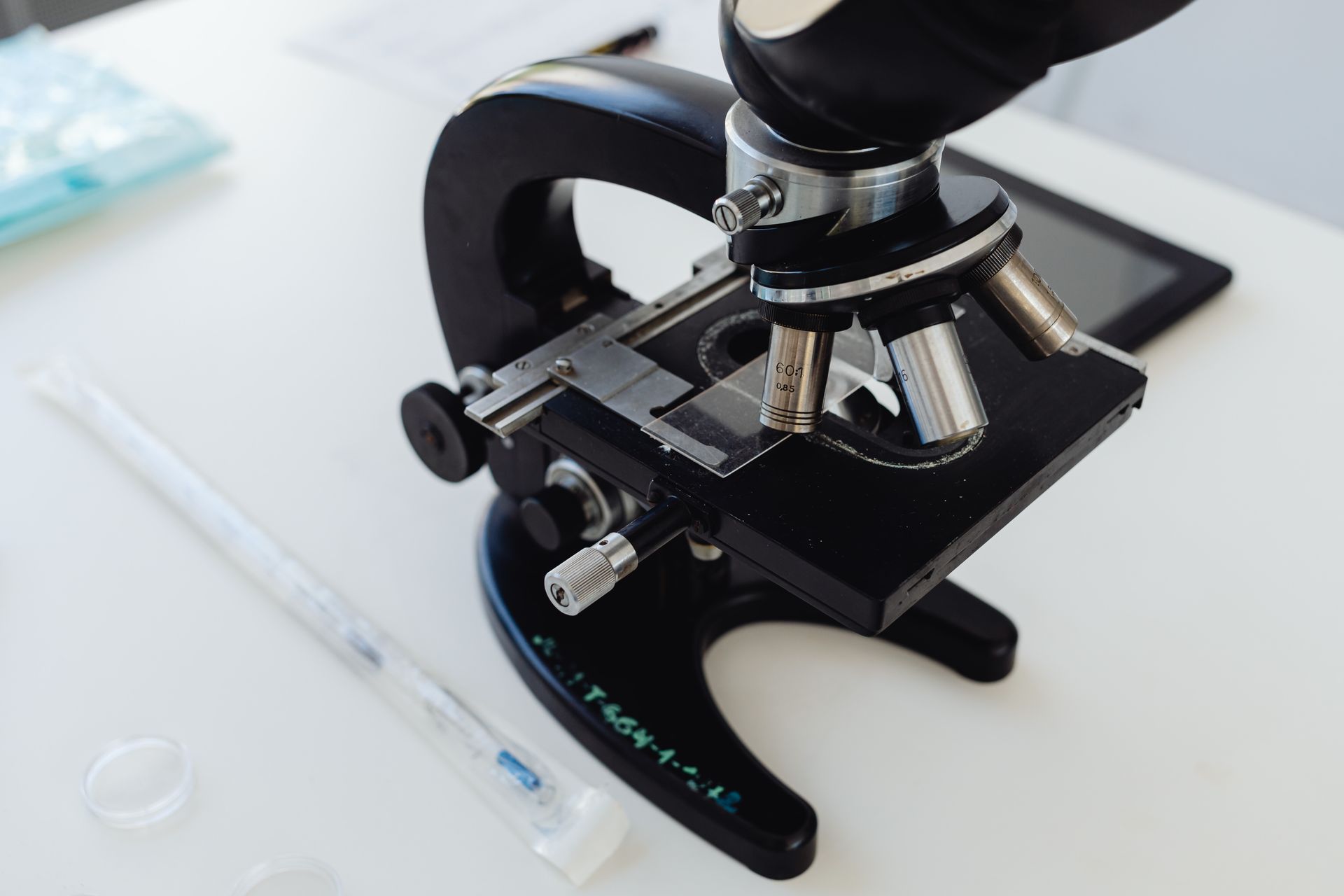
A new analysis finds that the large majority of add-on treatments often sold during IVF cycles in the United Kingdom have no measurable benefit on success rates, and the evidence base for most remains insufficient. Reported by the Guardian, the work questions the real value of practices that often cost patients several thousand pounds in extra charges.
FDA-cleared AI for heart disease: what OpenEvidence brings to the bedside
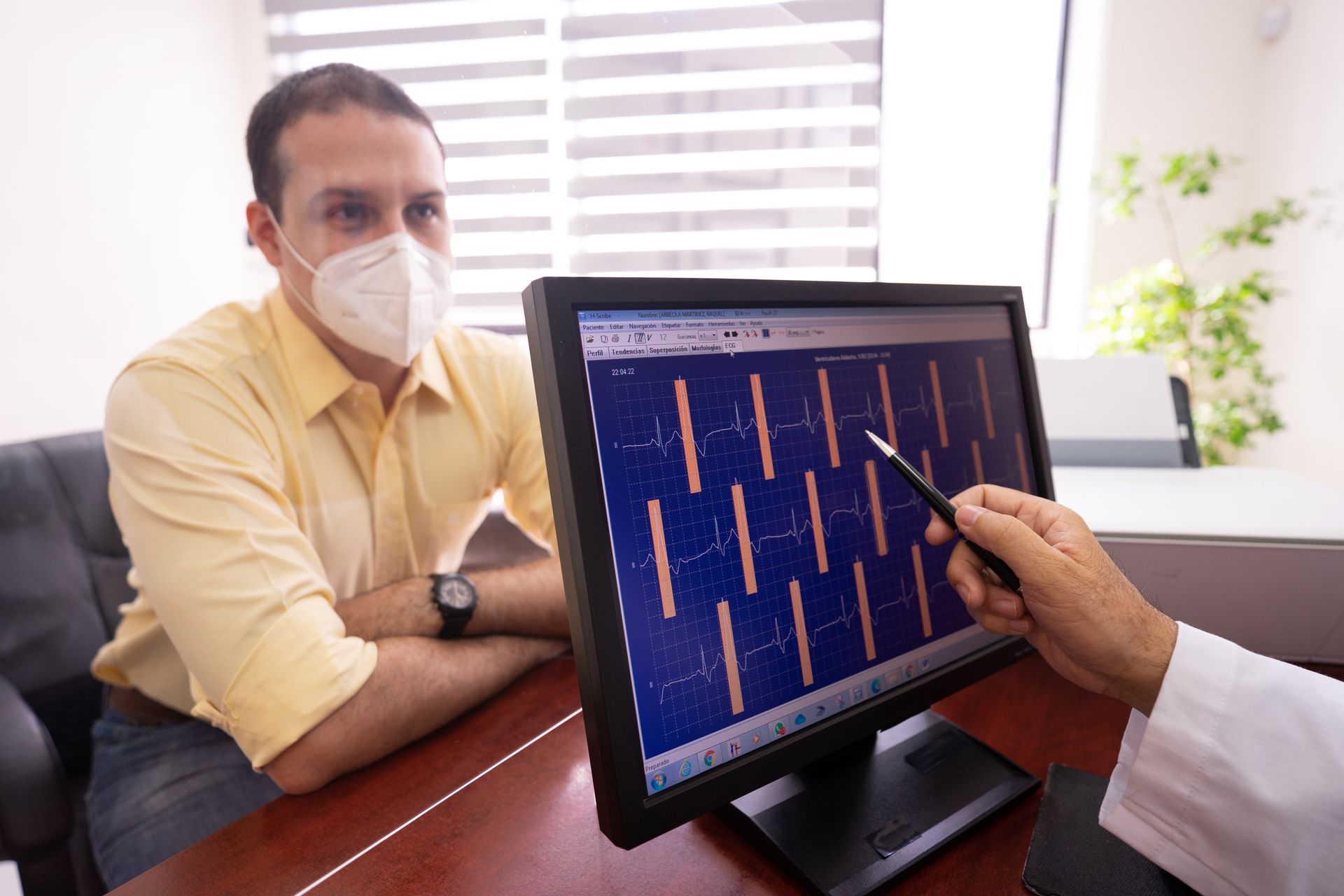
OpenEvidence, the clinical decision-support platform widely used by physicians, said it will add an FDA-cleared artificial-intelligence module designed to detect heart disease in early screening. The move, reported by STAT, will be a test of how AI is integrated alongside existing imaging and ECG workflows.
Eli Lilly's experimental obesity drug retatrutide given to a single patient: how the unusual access is being explained
Eli Lilly has provided its experimental obesity drug retatrutide, which has not yet completed Phase 3 trials, to a single 79-year-old patient through a "compassionate use" program. The case, detailed by STAT News, raises significant questions about how access to investigational drugs is granted before FDA approval.
