How extreme heat strains the NHS: critical incidents and failing equipment in England's hospitals

During a spell of extreme heat in England, some hospitals declared critical incidents. According to the Guardian, the high temperatures caused MRI scanners and cooling units to fail while adding to the burden on already hard-pressed health staff.
A "critical incident" is an official alert used to describe a situation in which a hospital is struggling seriously to maintain its normal services and patient safety may be at risk. The declaration allows hospitals to re-prioritise their resources and call for outside support.
According to the Guardian, the problems were not limited to patients being affected by the heat. Sensitive medical equipment was affected by the high temperatures too. Machines such as MRI scanners require tight temperature conditions to work properly; when cooling systems fall short, these devices can be taken out of action.
Four doctors who spoke to the paper described the conditions as unsafe and lacking in dignity for patients. They said infection control became almost impossible on hot wards, and that both patients and staff were adversely affected by the conditions. These accounts show the system being strained not only technically but in human terms.
Many hospital buildings were not designed with the kind of temperatures now being experienced in mind. Older buildings often lack adequate ventilation or central cooling systems. That allows indoor temperatures to rise quickly during heatwaves.
The heat also poses direct health risks to patients. Older people, those with chronic illness and people already in hospital are more vulnerable to heat-related complications. This can drive up hospital admissions during heatwaves and increase the pressure on the system further.
Experts warn that such episodes may become more frequent rather than remaining isolated disruptions. In a climate where hotter summers are expected, the resilience of health systems to extreme weather is becoming an increasingly critical issue.
Proposed solutions include strengthening the cooling infrastructure of hospital buildings, protecting critical equipment against heat, and preparing emergency plans for heatwaves in advance. Such measures aim to protect both patient safety and continuity of service.
In the short term, hospitals are trying to cope with existing resources: steps such as portable cooling units, flexible staff scheduling and postponing elective procedures come into play. But these measures do not fully make up for a lack of infrastructure.
According to the Guardian, the episode is read as an example of the concrete effects of climate change on health systems. Hospitals having to contend not only with illness but with the physical conditions they operate in raises the need to prepare health infrastructure for the future.
Read next

CRISPR base editing in embryos: why accuracy improved, and why ethical concerns remain
Next-generation CRISPR tools are improving the accuracy of genome editing in human embryos, but the work is also reigniting ethical debate. According to STAT News, the research pulls back the curtain on a key gene that orchestrates the first stages of human development.

What is vitamin B12 deficiency, and why can it mimic normal ageing?
Vitamin B12 is needed in microscopic amounts, but a shortage can have major effects on energy, memory and nerve health. Because its symptoms are often mistaken for normal ageing, the deficiency can be overlooked.
Can a placebo work even when you know it's fake? How the open-label placebo effect works
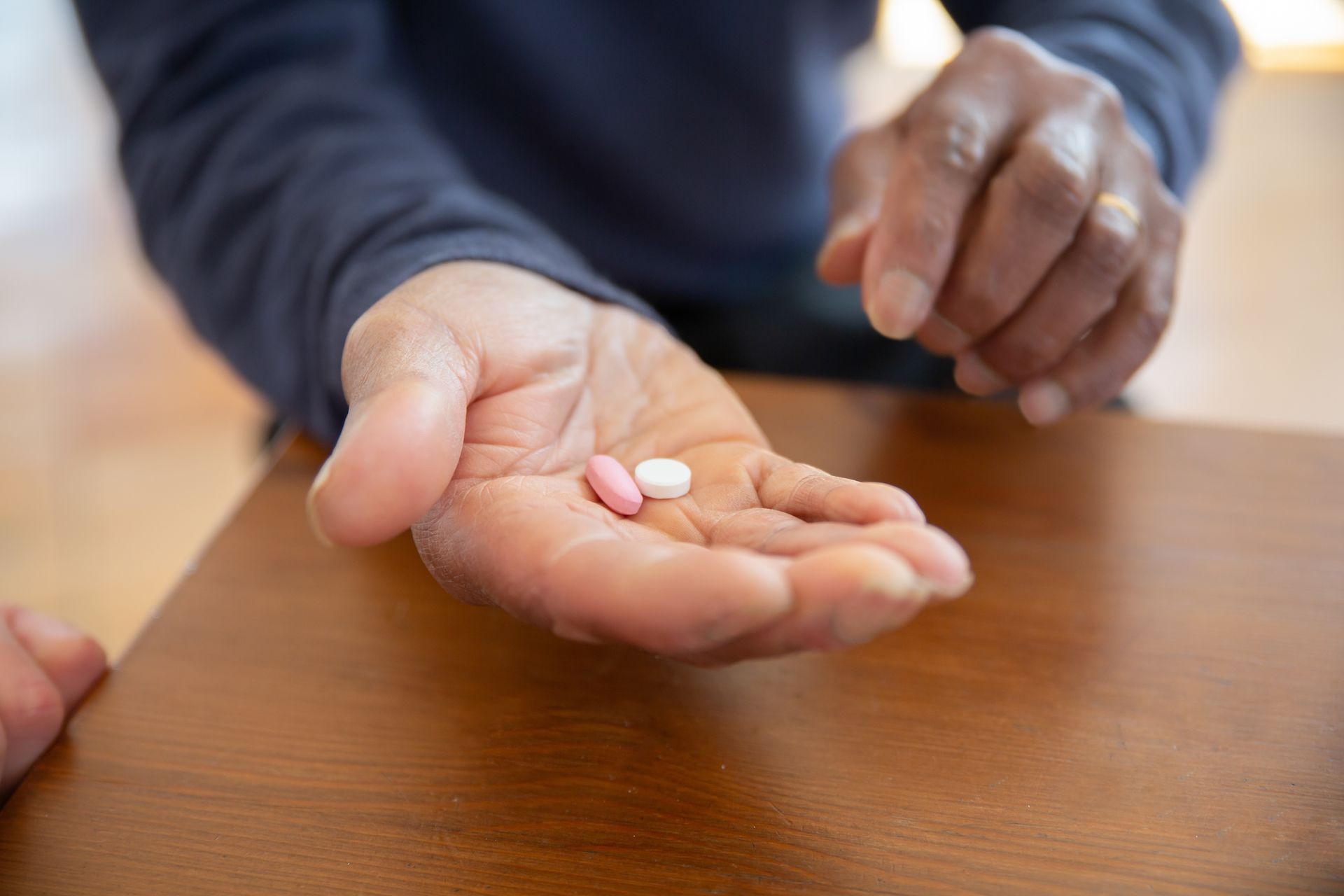
According to a new study, healthy older adults experienced improvements in memory, physical performance and stress after taking placebo pills for just three weeks — even though they knew the pills were fake. Here is what the "open-label placebo" phenomenon means.
HPV vaccine and cervical cancer: why the death risk in young women is now 'close to zero'
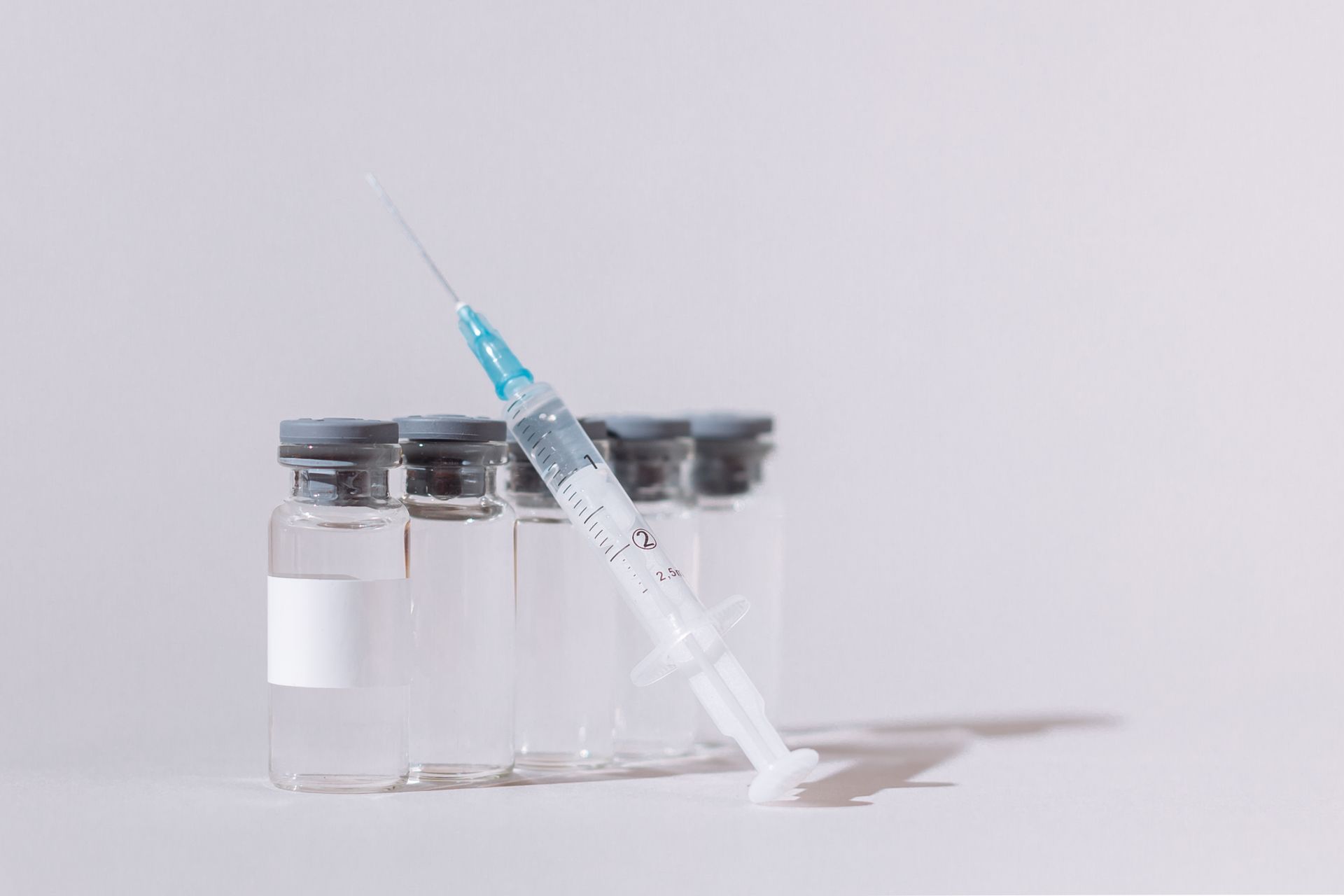
A new study finds that the HPV vaccine, offered to school-age girls since 2008, has all but eliminated deaths from cervical cancer in young women. Here is how the vaccine works and what the finding means.

Type 1 diabetes: how the first drug to delay its onset works on the NHS
England's NHS has made available the first immunotherapy that delays the onset of type 1 diabetes, a treatment that can give patients roughly three extra years before they need insulin. Here is how the drug targets the immune system and who is eligible.