Can a placebo work even when you know it's fake? How the open-label placebo effect works
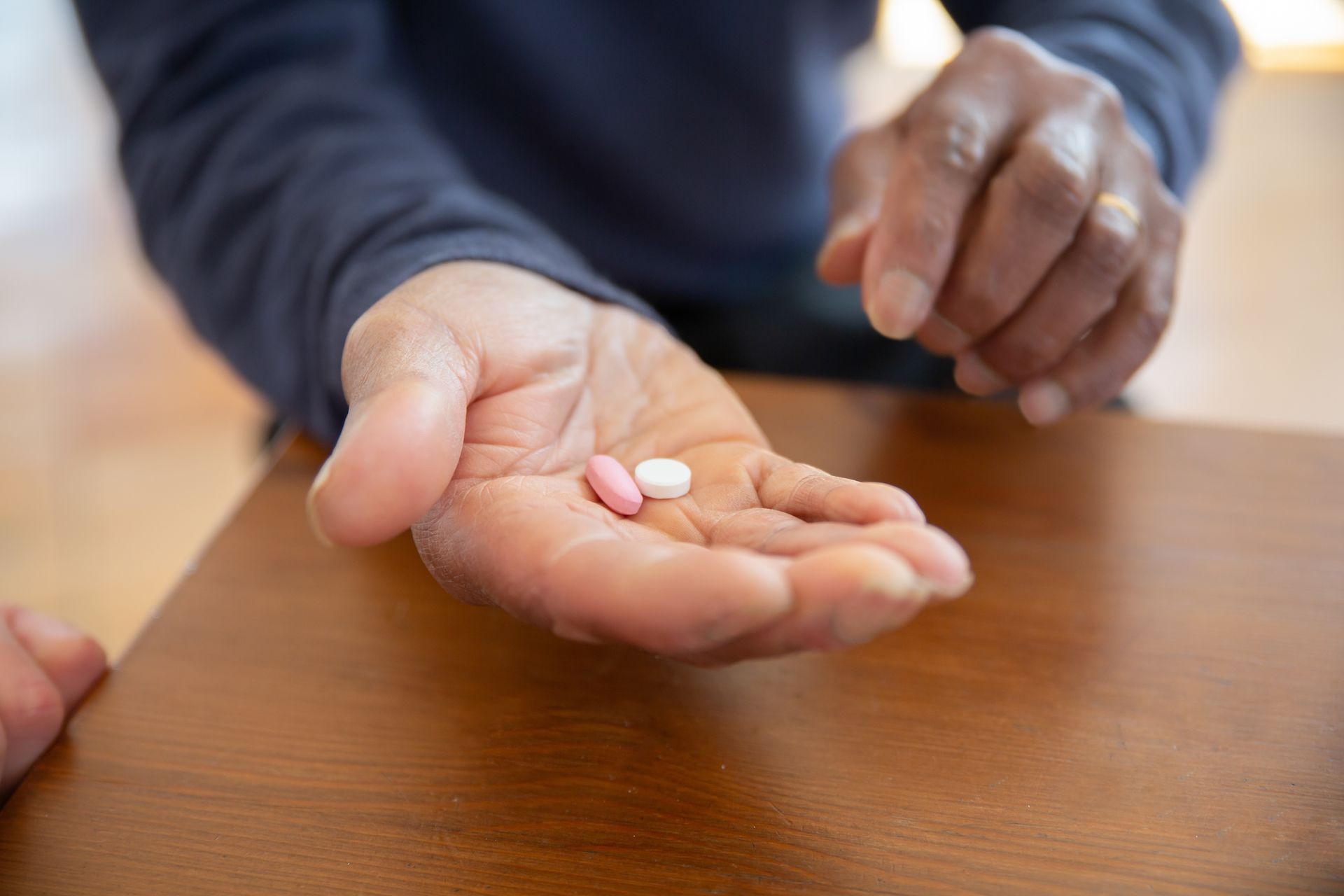
A new study has produced a finding that questions the usual assumptions about the placebo effect. According to Science Daily, healthy older adults experienced improvements in measures of memory, physical performance and stress after taking placebos for just three weeks — even though they knew the pills contained no active ingredient.
A placebo is a substance that resembles a real medicine in appearance but contains no therapeutic active ingredient. In medicine, placebos are traditionally used to measure the effectiveness of new drugs: one group takes the real drug, another takes the placebo, and the results are compared.
The "placebo effect" describes the phenomenon in which people who take a substance with no active ingredient nonetheless experience some improvements. This effect was long attributed to the person's belief that they were receiving a real treatment — that is, it was thought to be the result of expectation and suggestion.
The striking part of this study lies precisely there. The participants knew that the pills they were taking were placebos. That measurable improvements were still seen suggests the placebo effect does not rest on "deception" alone. This approach is referred to in the literature as the "open-label placebo."
The researchers recorded improvements in the participants' memory tests, physical performance measures and stress levels at the end of the three-week period. This shows that even a short-term intervention containing no active ingredient can be associated with measurable changes.
So how might this be possible? Experts say there could be several possible mechanisms behind the open-label placebo. These include the structure that comes from committing to a routine, the sense of actively taking an interest in one's own health and the expectation created by the daily ritual of taking a pill. The brain-body interaction is thought to play a role in this process.
Even so, these results need to be interpreted with care. The study was carried out in a specific group of healthy older adults and over a short period. Whether the findings can be generalised to different age groups, health conditions or longer periods is therefore an open question.
An important point is this: the existence of the open-label placebo does not mean it can replace real treatments. Although the placebo effect is associated with improvements in certain measures, it does not treat an underlying disease. For this reason, experts stress that a placebo should be regarded not as an alternative to medical treatment but, at most, as a complementary subject of research.
Nonetheless, studies like this are valuable for understanding the relationship between mind and body. Examining the possible effects of expectation, routine and psychological state on physical measures can also contribute to the design of future treatment approaches.
In the end, this research is an example showing that the placebo effect may be more complex than assumed. If even knowing a pill is fake does not entirely remove its effect, this is a reminder that health and recovery have not only chemical but also psychological and behavioural dimensions.
Read next

How extreme heat strains the NHS: critical incidents and failing equipment in England's hospitals
During extreme heat in England, some hospitals declared critical incidents as MRI scanners and cooling units failed and the workload on staff rose. According to the Guardian, the episode shows how vulnerable health systems can be to extreme weather.

CRISPR base editing in embryos: why accuracy improved, and why ethical concerns remain
Next-generation CRISPR tools are improving the accuracy of genome editing in human embryos, but the work is also reigniting ethical debate. According to STAT News, the research pulls back the curtain on a key gene that orchestrates the first stages of human development.

What is vitamin B12 deficiency, and why can it mimic normal ageing?
Vitamin B12 is needed in microscopic amounts, but a shortage can have major effects on energy, memory and nerve health. Because its symptoms are often mistaken for normal ageing, the deficiency can be overlooked.
HPV vaccine and cervical cancer: why the death risk in young women is now 'close to zero'
A new study finds that the HPV vaccine, offered to school-age girls since 2008, has all but eliminated deaths from cervical cancer in young women. Here is how the vaccine works and what the finding means.

Type 1 diabetes: how the first drug to delay its onset works on the NHS
England's NHS has made available the first immunotherapy that delays the onset of type 1 diabetes, a treatment that can give patients roughly three extra years before they need insulin. Here is how the drug targets the immune system and who is eligible.