CRISPR base editing in embryos: why accuracy improved, and why ethical concerns remain

Next-generation CRISPR tools are improving the accuracy of genome editing in human embryos, but according to STAT News the work is also bringing deep ethical debate back to the fore. Researchers say that editing the genome in early embryos has additionally revealed the role of a key gene that orchestrates the first stages of human development.
CRISPR is a technology that allows scientists to make targeted changes to DNA. Classic CRISPR works by cutting the double strand of DNA, but that cut can sometimes lead to unwanted errors. A newer approach known as "base editing" aims to be more precise by converting a single letter of DNA into another without cutting the strand.
According to STAT News, the new study shows that these base-editing tools improve editing accuracy when used in embryos. Higher accuracy means a lower risk of unwanted changes — addressing one of the central concerns about the technique's safety.
The scientific value of the study is not limited to the technique. Researchers say that during the editing process they were also able to observe the workings of a key gene that governs the earliest stages of human development. This can contribute to understanding the basic biology of how cells begin to develop just after fertilisation.
Nonetheless, genome editing in embryos remains one of the most contested areas of science. Such work is generally carried out only in laboratory conditions and without any intention of pregnancy. That is, the edited embryos are not used to establish a pregnancy; the research is aimed at understanding early developmental biology.
At the heart of the ethical concerns is the question of heritable changes. Changes made to an embryo's genome could, if that embryo were to develop into a person, be passed on to future generations. These "germline" changes require particular care because they are irreversible and cannot be consented to by people not yet born.
The scientific community is therefore broadly cautious about the clinical use of germline editing. Many countries ban or strictly limit establishing a pregnancy with edited embryos. Researchers stress that even if the new techniques are shown to be safe, clinical use requires a separate and much higher ethical threshold.
Supporters argue that such fundamental research is valuable for understanding and, in the long term, preventing serious heritable diseases. Critics warn that as the technique's accuracy improves, pressure toward clinical use may grow, and that society has not held a broad enough debate on the matter.
Experts say this tension is less about the technology itself than about how it will be used. Tools that improve accuracy are a significant scientific step, but the limits within which that step should remain are seen as a societal and ethical decision rather than a scientific one.
The study reported by STAT News can therefore be read on two levels: on the one hand it shows the technical maturing of genome-editing techniques, and on the other it is a reminder of why the ethical debate that will set the limits of those techniques is still open.
Read next

How extreme heat strains the NHS: critical incidents and failing equipment in England's hospitals
During extreme heat in England, some hospitals declared critical incidents as MRI scanners and cooling units failed and the workload on staff rose. According to the Guardian, the episode shows how vulnerable health systems can be to extreme weather.

What is vitamin B12 deficiency, and why can it mimic normal ageing?
Vitamin B12 is needed in microscopic amounts, but a shortage can have major effects on energy, memory and nerve health. Because its symptoms are often mistaken for normal ageing, the deficiency can be overlooked.
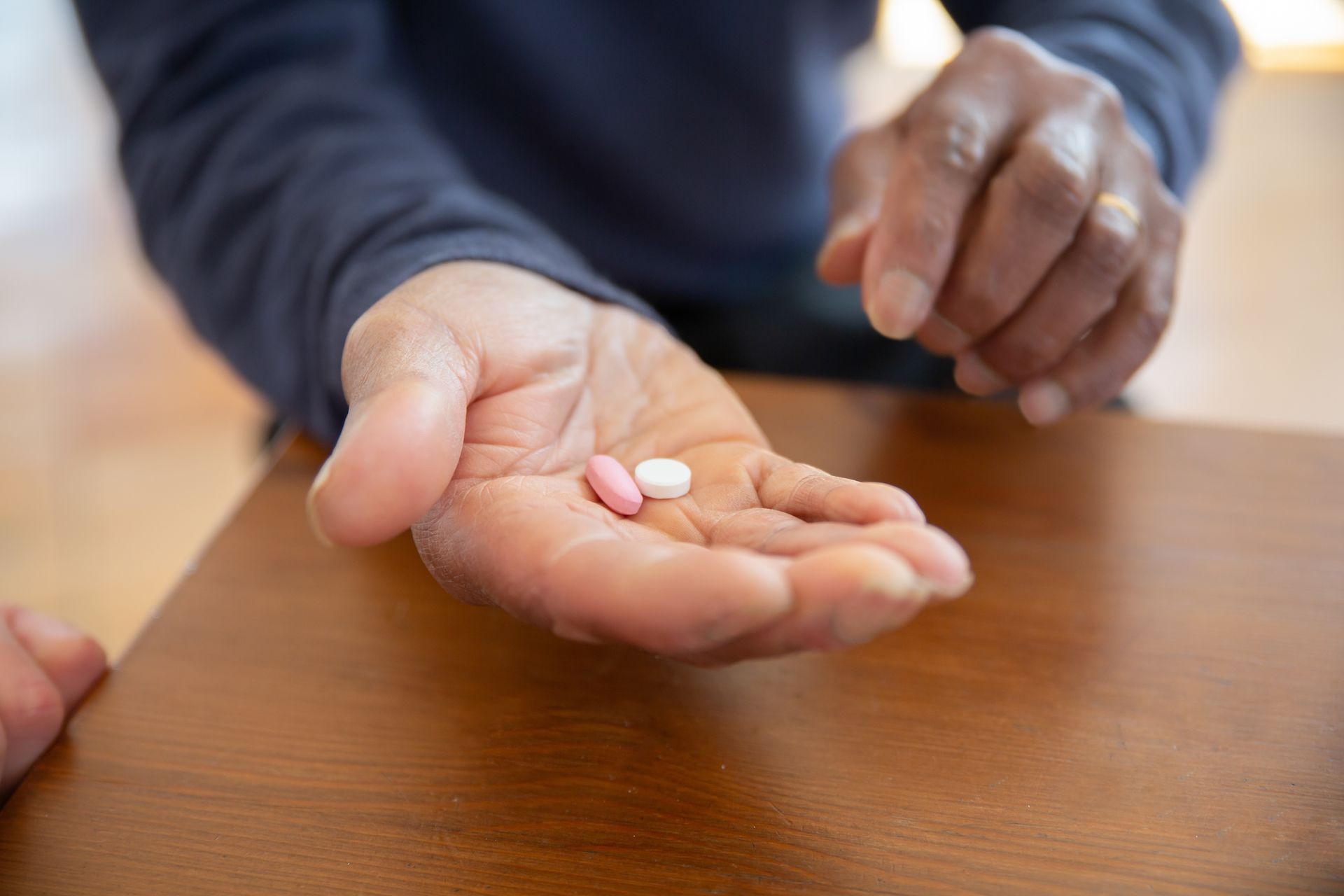
Can a placebo work even when you know it's fake? How the open-label placebo effect works
According to a new study, healthy older adults experienced improvements in memory, physical performance and stress after taking placebo pills for just three weeks — even though they knew the pills were fake. Here is what the "open-label placebo" phenomenon means.
HPV vaccine and cervical cancer: why the death risk in young women is now 'close to zero'
A new study finds that the HPV vaccine, offered to school-age girls since 2008, has all but eliminated deaths from cervical cancer in young women. Here is how the vaccine works and what the finding means.

Type 1 diabetes: how the first drug to delay its onset works on the NHS
England's NHS has made available the first immunotherapy that delays the onset of type 1 diabetes, a treatment that can give patients roughly three extra years before they need insulin. Here is how the drug targets the immune system and who is eligible.