HPV vaccine and cervical cancer: why the death risk in young women is now 'close to zero'
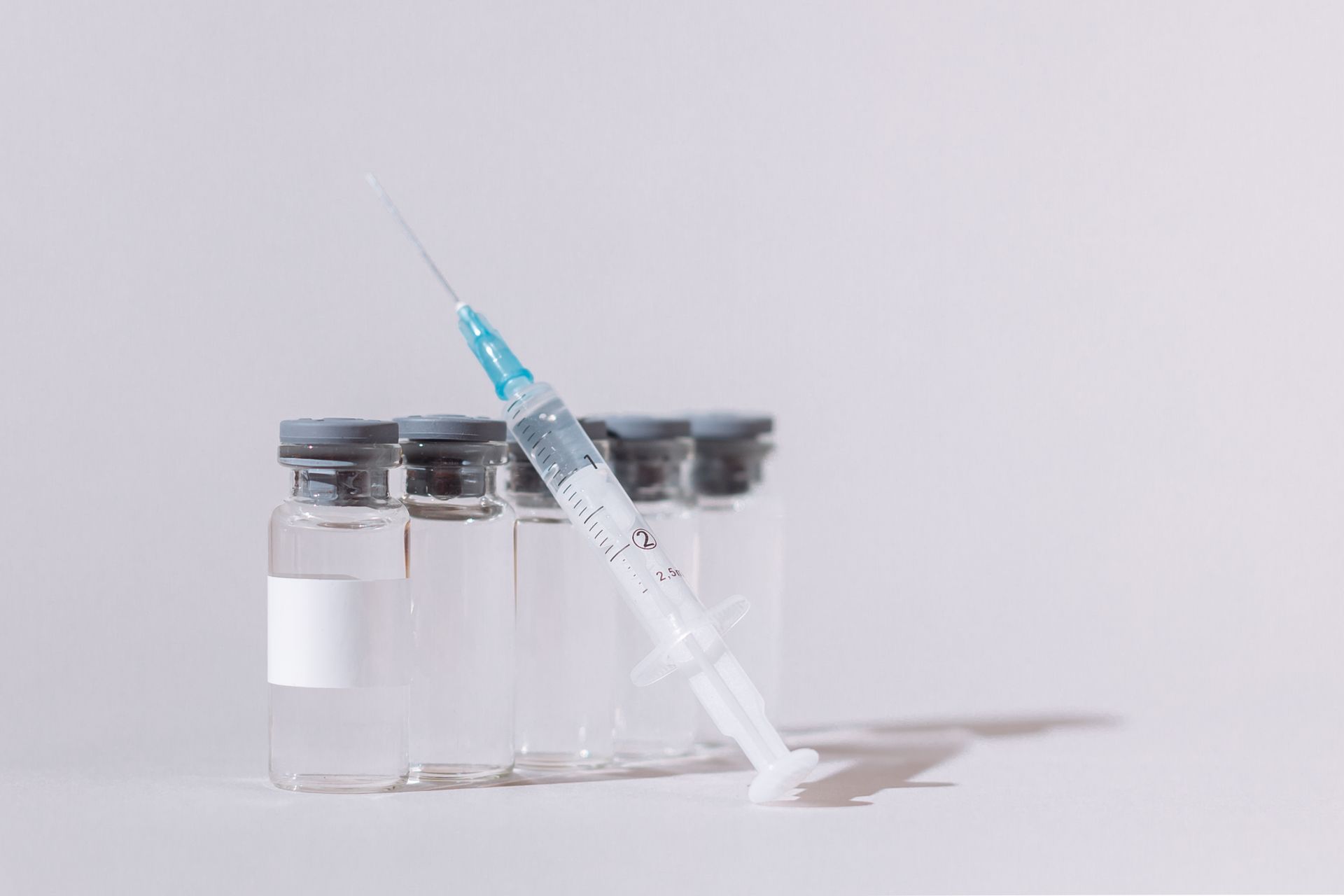
A new study has found that young women vaccinated against the human papillomavirus (HPV) now face a risk of dying from cervical cancer that is "close to zero." According to the BBC, the research shows hundreds of lives have been saved since the vaccine was first offered to school-age girls in 2008.
HPV is a common group of sexually transmitted viruses, and most infections clear on their own without causing any harm. But some high-risk types of the virus can cause changes in the cells of the cervix that, over years, may develop into cancer. The vast majority of cervical cancer cases worldwide are linked to HPV.
The vaccine works by giving the body immunity against these high-risk HPV types. Administered before a person is exposed to the virus, it allows the immune system to block the infection before it can take hold. That is why the programme focuses on the school years, when girls are most likely not yet to have encountered the virus.
England launched its school-based HPV vaccination programme in 2008. In the years since, the first generation to be vaccinated has reached adulthood, giving researchers the chance to measure the vaccine's long-term effect. The study's striking finding is that deaths from cervical cancer in this generation are now almost unheard of.
According to the BBC, the researchers say the risk of death is "close to zero" in women who were offered the vaccine during their school years. This shows the vaccine is effective not only at preventing infection but at preventing the disease's most lethal outcome.
Experts stress that the result demonstrates the power of vaccination. Cervical cancer is one of the few cancers regarded as largely preventable through screening and immunisation. The vaccine heads the disease off before it can begin, while regular screening programmes catch early-stage changes, providing a second layer of protection.
The World Health Organization aims to eliminate cervical cancer as a public-health problem. The key tools for reaching that goal are high vaccination rates, widespread screening and access to early treatment. The findings in England offer concrete evidence that the strategy can work.
Even so, experts warn that protection can only be sustained as long as vaccination rates remain high. Differences in access to the vaccine between regions and groups can mean some women miss out on this protection. Screening programmes may also need to be adapted for vaccinated generations.
The vaccine is generally considered safe, with the most common side effects being mild symptoms such as temporary pain at the injection site. Health authorities say the data accumulated since the programme began supports the vaccine's safety profile.
Researchers say the finding is also an example of how the long-term benefits of vaccination can be measured across a generation. Seeing a single preventive measure given in the school years prevent deaths decades later offers rare and powerful evidence for assessing the impact of public-health policy.
Read next

How extreme heat strains the NHS: critical incidents and failing equipment in England's hospitals
During extreme heat in England, some hospitals declared critical incidents as MRI scanners and cooling units failed and the workload on staff rose. According to the Guardian, the episode shows how vulnerable health systems can be to extreme weather.

CRISPR base editing in embryos: why accuracy improved, and why ethical concerns remain
Next-generation CRISPR tools are improving the accuracy of genome editing in human embryos, but the work is also reigniting ethical debate. According to STAT News, the research pulls back the curtain on a key gene that orchestrates the first stages of human development.

What is vitamin B12 deficiency, and why can it mimic normal ageing?
Vitamin B12 is needed in microscopic amounts, but a shortage can have major effects on energy, memory and nerve health. Because its symptoms are often mistaken for normal ageing, the deficiency can be overlooked.
Can a placebo work even when you know it's fake? How the open-label placebo effect works
According to a new study, healthy older adults experienced improvements in memory, physical performance and stress after taking placebo pills for just three weeks — even though they knew the pills were fake. Here is what the "open-label placebo" phenomenon means.

Type 1 diabetes: how the first drug to delay its onset works on the NHS
England's NHS has made available the first immunotherapy that delays the onset of type 1 diabetes, a treatment that can give patients roughly three extra years before they need insulin. Here is how the drug targets the immune system and who is eligible.