Why the Trump administration's plan to destroy PFAS is called 'nonsensical'
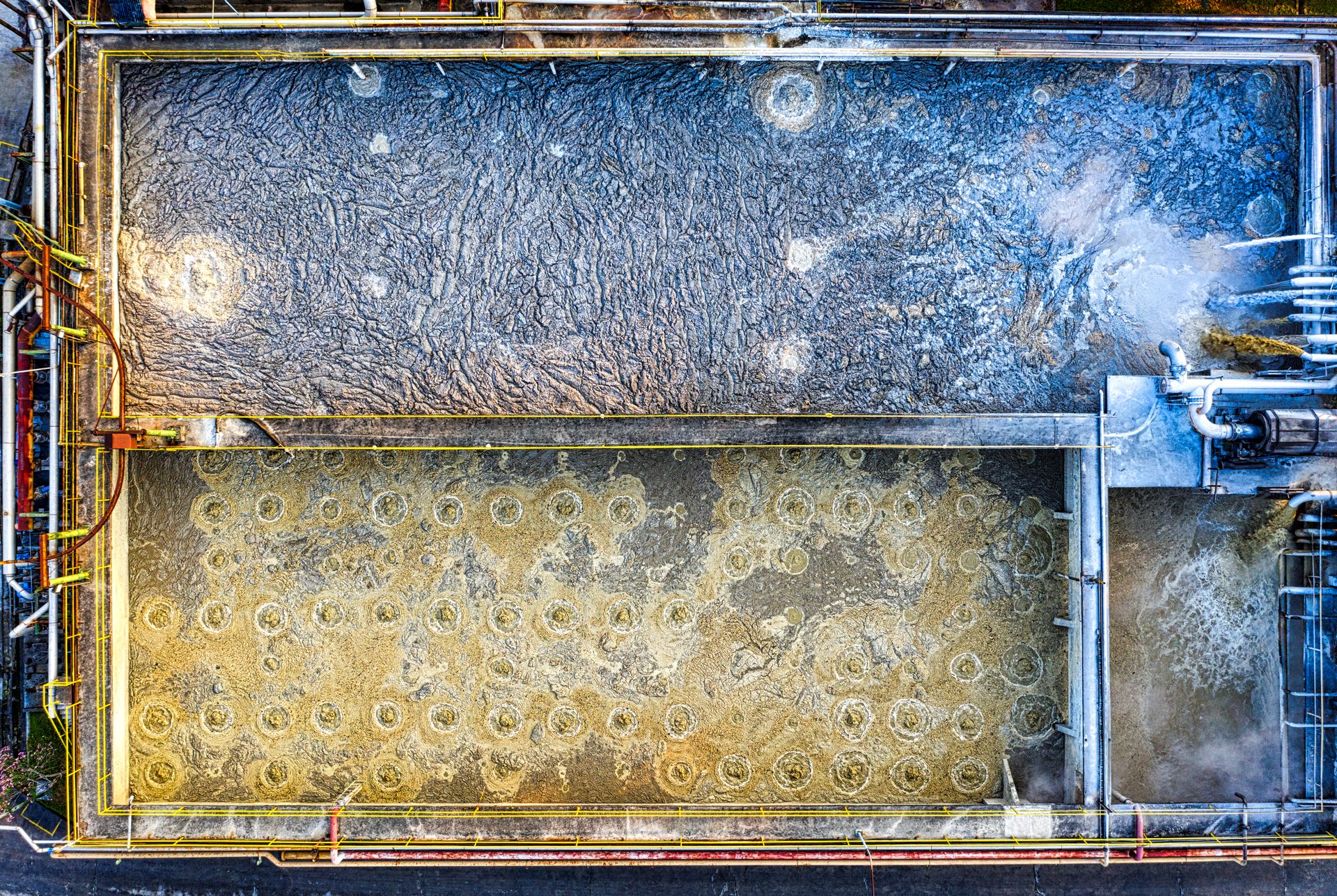
The Trump administration in the United States is reportedly considering a policy that includes relaxing drinking-water rules while envisaging the destruction of perfluoroalkyl and polyfluoroalkyl substances (PFAS), known as 'forever chemicals'. According to Guardian Health, chemical engineers and public-health specialists have called the plan 'nonsensical', citing the inadequacy of current destruction technologies and the possibility that health risks could rise again.
PFAS compounds have been used for decades in consumer products, water-resistant construction materials and industrial applications. They are known as 'forever chemicals' because their molecular structure resists degradation in nature; this property makes PFAS persist for long periods after release into the environment. Widely associated with environmental contamination in the United States, PFAS have been found in drinking water, food and even breast milk.
In 2024, the Biden administration put into effect the first federal drinking-water PFAS standard proposed by the EPA. This standard set the maximum acceptable concentration in drinking water for the two most widespread PFAS components — PFOA and PFOS — at four parts per trillion (4 ppt). The limit targeted health risks identified in animal and human epidemiology studies.
The Trump administration's EPA announced in February 2026 that these standards needed to be 'reassessed on a science-based footing'. The statement argued that the epidemiological evidence underlying the standard required additional review. Critics view the approach as a means of slowing the regulatory process under the heading of 'reviewing the evidence'.
Available PFAS destruction technologies include high-temperature incineration, supercritical water oxidation (SCWO), electrochemical oxidation and sonochemical methods. However, each of these technologies has technical and cost issues. High-temperature incineration has not been proven to break down PFAS fully and carries the risk of releasing shorter-chain PFAS compounds into the air. SCWO has shown effectiveness at small scale but has not yet matured into commercially viable large-scale deployment.
Dr Elsie Sunderland, a member of the Royal Society of Chemistry and a PFAS researcher at the Massachusetts Institute of Technology, called the plan 'nonsensical' in comments to The Guardian. 'We do not yet have a technically reliable way to destroy PFAS. Walking back the existing rules could, indirectly, mean allowing more discharge into the environment,' she said. Sunderland's remarks constitute an important summary of scientific-community concerns.
On the public-health side, the Centers for Disease Control and Prevention (CDC) and other federal research bodies have published studies indicating that PFAS exposure may contribute to breast and kidney cancer risks, thyroid disease, pregnancy complications and immune-system dysregulation. Relaxation of EPA standards by the Trump administration could increase the likelihood that these health effects spread to broader populations.
The impact of loosening EPA standards produces different consequences for local water users, industry and stakeholders at the federal level. For water utilities, the filtration investments required to meet the existing limit — granular activated carbon, ion-exchange resins, reverse osmosis — cost billions of dollars; relaxing the standard would allow these investments to be deferred in the short term. How long-term health costs will shape up, however, is uncertain.
Internationally, the European Union has tightened its PFAS regulation in recent years. The EU's 2023 proposal for a wide-ranging PFAS ban under REACH created a regulatory divergence with the United States. The Trump administration's shift could open up additional regulatory contradictions in US-EU trade ties; access to the EU market for PFAS-containing products manufactured in the United States could be limited.
This article does not constitute environmental or public-health policy advice; information is based on Guardian Health reporting and EPA, CDC and EU documents. Individuals concerned about PFAS exposure should consult their local water authorities and public-health specialists on water-quality testing and filter technologies. For personal health decisions, consulting a medical professional is recommended.