Wegovy weight-loss pill in the UK: how the needle-free semaglutide works
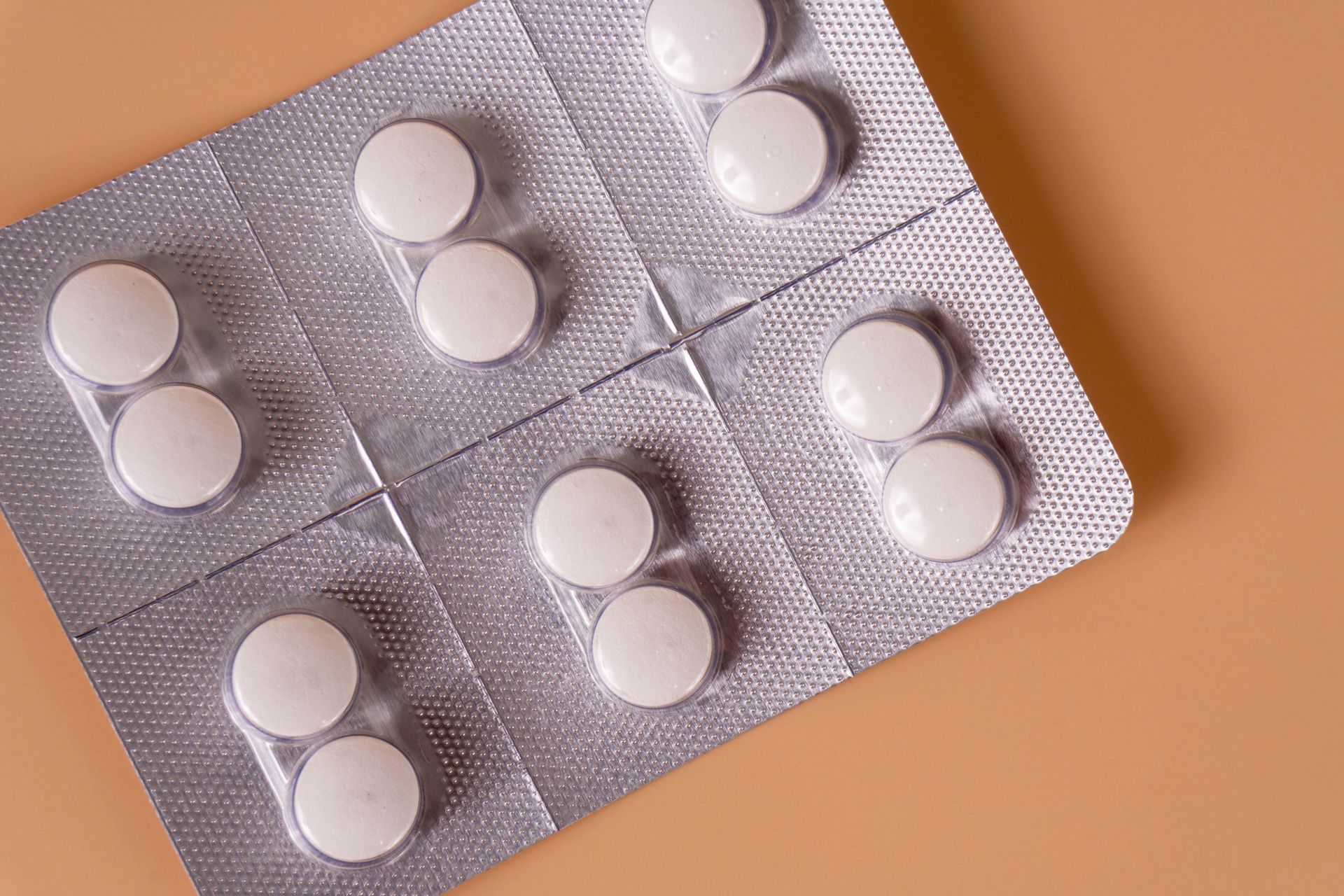
A tablet form of Wegovy, the brand name for the weight-loss drug semaglutide, has become available in the United Kingdom, giving people a needle-free way to take one of the most talked-about medicines of the decade. Until now, Wegovy has been used as a once-weekly injection. The arrival of an oral version, taken as a daily pill, is being watched closely by doctors and patients alike.
Semaglutide belongs to a class of drugs known as GLP-1 receptor agonists. They mimic a hormone the gut releases after eating, which signals to the brain that the body is full. By slowing the emptying of the stomach and dampening appetite, the medicine helps people eat less without the constant hunger that derails most diets. The same molecule, at different doses, is used to treat type 2 diabetes.
The practical difference with the pill is the routine. Instead of a weekly jab, patients take a tablet each day. Oral semaglutide is generally taken on an empty stomach with a small sip of water, with a wait of around half an hour before eating, drinking or taking other medicines, because food and liquid can reduce how much of the drug is absorbed. That daily discipline is the trade-off for avoiding injections.
Access is through prescription rather than over the counter. According to the BBC, eligibility is tied to clinical criteria such as body mass index and weight-related health conditions, and the medicine is available both privately and, in more limited circumstances, through the National Health Service. Doctors stress that it is intended for people living with obesity or significant weight-related risk, not for cosmetic or rapid crash dieting.
On effectiveness, the injectable form of semaglutide has been studied extensively, with trials showing average weight loss in the region of 15 percent of body weight when combined with diet and exercise. The oral formulation is designed to deliver the same active ingredient, and its makers argue it can offer comparable appetite effects. Patients are advised to treat the injection data as the best-established evidence and to discuss realistic expectations with their prescriber.
Side effects are common, especially early on. The most frequent are gastrointestinal: nausea, vomiting, diarrhoea and constipation. These tend to be mild to moderate and often ease as the body adjusts, which is why doses are usually increased gradually rather than started at full strength. Anyone with severe or persistent symptoms is advised to seek medical advice.
Doctors are also clear that the drug is not a standalone fix. It works best alongside changes to diet, physical activity and eating habits, and much of the weight tends to return if the medicine is stopped without those foundations in place. That has fuelled debate about whether patients face taking the drug long term, and what happens to supply and cost over time.
The wider context is demand. Obesity affects a large share of the UK population, and interest in GLP-1 medicines has surged, at times outstripping supply of the injectable pens. A pill that is easier to manufacture and distribute could, in principle, ease some of those pressures and widen access, though experts caution it is too early to say how quickly that will happen.
Cost and fair access remain contentious. Private clinics can prescribe the medicine to those who pay, while NHS provision is rationed to defined patient groups. Health specialists have repeatedly warned about people buying weight-loss drugs through unregulated online sellers, where the products may be counterfeit or used without medical supervision, and they urge patients to obtain any version only through legitimate channels.
The bottom line for anyone curious about the new pill is to start with a conversation, not a purchase. A GP or specialist can assess whether the medicine is appropriate, explain the daily routine and side effects, and set it within a broader plan. The oral option removes the needle, but the medical caution around semaglutide stays the same.
Read next

Is vaping as harmful as smoking? What the evidence and a new survey say
A new survey suggests most UK smokers wrongly believe vaping is as harmful as cigarettes. Experts say that misperception could keep people smoking, and use the finding to explain what is known about the relative risks of e-cigarettes, and what remains uncertain.

The revived presidential fitness test: can it actually get children moving?
The United States is reviving the presidential fitness test for schoolchildren, and health experts told STAT News the move is a positive signal but not a solution on its own. Research suggests that one-off testing does little to raise activity levels unless it is paired with sustained support for physical education.

How extreme heat harms the body: the health risks of longer, hotter heat waves
Heat waves are becoming more frequent, more intense and longer-lasting, raising health risks for millions, according to a STAT News report. Understanding how heat overwhelms the body, and who is most vulnerable, is the first step to staying safe as extreme temperatures become more common.

What is rabies, and why is it almost always fatal once symptoms begin?
The death of a Canadian boy from rabies after a bat was found on his face is a rare tragedy in a wealthy country, the Guardian reports. It is also a reminder of a stark medical fact: rabies is nearly 100% fatal once symptoms appear, yet almost entirely preventable if treated in time.

NHS app to use AI to steer patients to the right service, England announces
England's National Health Service plans to add an artificial-intelligence feature to its app that would help patients work out which service they need, from a pharmacy to A&E, the BBC reports. Officials say it could ease pressure on overstretched services, while doctors' groups urge caution over safety and accuracy.