NHS app to use AI to steer patients to the right service, England announces

England's National Health Service is preparing to build an artificial-intelligence tool into its official app that would help patients decide where to seek care, according to the BBC. The feature would ask users about their symptoms and then point them toward the most appropriate option, whether that is self-care, a pharmacy, a GP appointment, an urgent-care centre or accident and emergency.
The stated aim is to reduce the confusion many patients feel when they are unwell and unsure how serious their situation is. Health officials argue that a large share of people who turn up at busy emergency departments could have been treated more quickly elsewhere, and that better signposting could relieve pressure on the system's most strained services.
The NHS app has grown into a central part of how patients in England interact with the health service, used to book appointments, order repeat prescriptions and view records. Adding a symptom-checking layer powered by AI would extend that role from administration into the more delicate territory of clinical guidance.
Supporters of the plan say the technology could act as a triage assistant, available at any hour, that helps people navigate a complicated system. For patients who might otherwise wait or head straight to hospital, a clear recommendation to visit a pharmacy or book a routine appointment could save time and reduce unnecessary crowding.
Medical organisations have responded with a mix of interest and caution. Their central concern is safety: an AI tool that underestimates a serious condition could delay urgent treatment, while one that is overly cautious could funnel even more people toward emergency care, defeating the purpose. Doctors have stressed that any such system must be rigorously tested before wide use.
Accuracy is the crux of the debate. Symptom-checking tools, whether powered by simple decision trees or newer AI models, have a long history of mixed performance. The same symptom can point to a trivial problem in one person and a dangerous one in another, and separating the two reliably is exactly what makes triage hard even for trained clinicians.
Questions of accountability also loom. If an AI feature advises a patient to stay home and their condition worsens, it is not yet clear where responsibility would sit. Officials will need to define how the tool is framed, whether as advice, a suggestion or a formal recommendation, and how clearly it tells users when to override it and seek help.
Data and privacy add another dimension. Symptom information is among the most sensitive data a person can share, and folding it into a government health app invites scrutiny over how it is stored, who can see it and how it might be used. The NHS has faced public debate over data handling before, and any new feature is likely to draw similar attention.
The move also fits a wider global pattern. Health systems in many countries are experimenting with AI to manage demand, from chatbots that answer routine questions to tools that help prioritise cases. The appeal is obvious in stretched systems, but so are the risks of leaning on technology that is still maturing.
For now, the plan is an announcement rather than a finished product, and much depends on the detail of how it is built and safeguarded. If it works, it could make a confusing system easier to navigate. If it falls short, it risks adding a new layer of uncertainty to decisions that patients already find stressful, which is why both officials and doctors are watching the rollout closely.
Read next

The revived presidential fitness test: can it actually get children moving?
The United States is reviving the presidential fitness test for schoolchildren, and health experts told STAT News the move is a positive signal but not a solution on its own. Research suggests that one-off testing does little to raise activity levels unless it is paired with sustained support for physical education.

How extreme heat harms the body: the health risks of longer, hotter heat waves
Heat waves are becoming more frequent, more intense and longer-lasting, raising health risks for millions, according to a STAT News report. Understanding how heat overwhelms the body, and who is most vulnerable, is the first step to staying safe as extreme temperatures become more common.

What is rabies, and why is it almost always fatal once symptoms begin?
The death of a Canadian boy from rabies after a bat was found on his face is a rare tragedy in a wealthy country, the Guardian reports. It is also a reminder of a stark medical fact: rabies is nearly 100% fatal once symptoms appear, yet almost entirely preventable if treated in time.
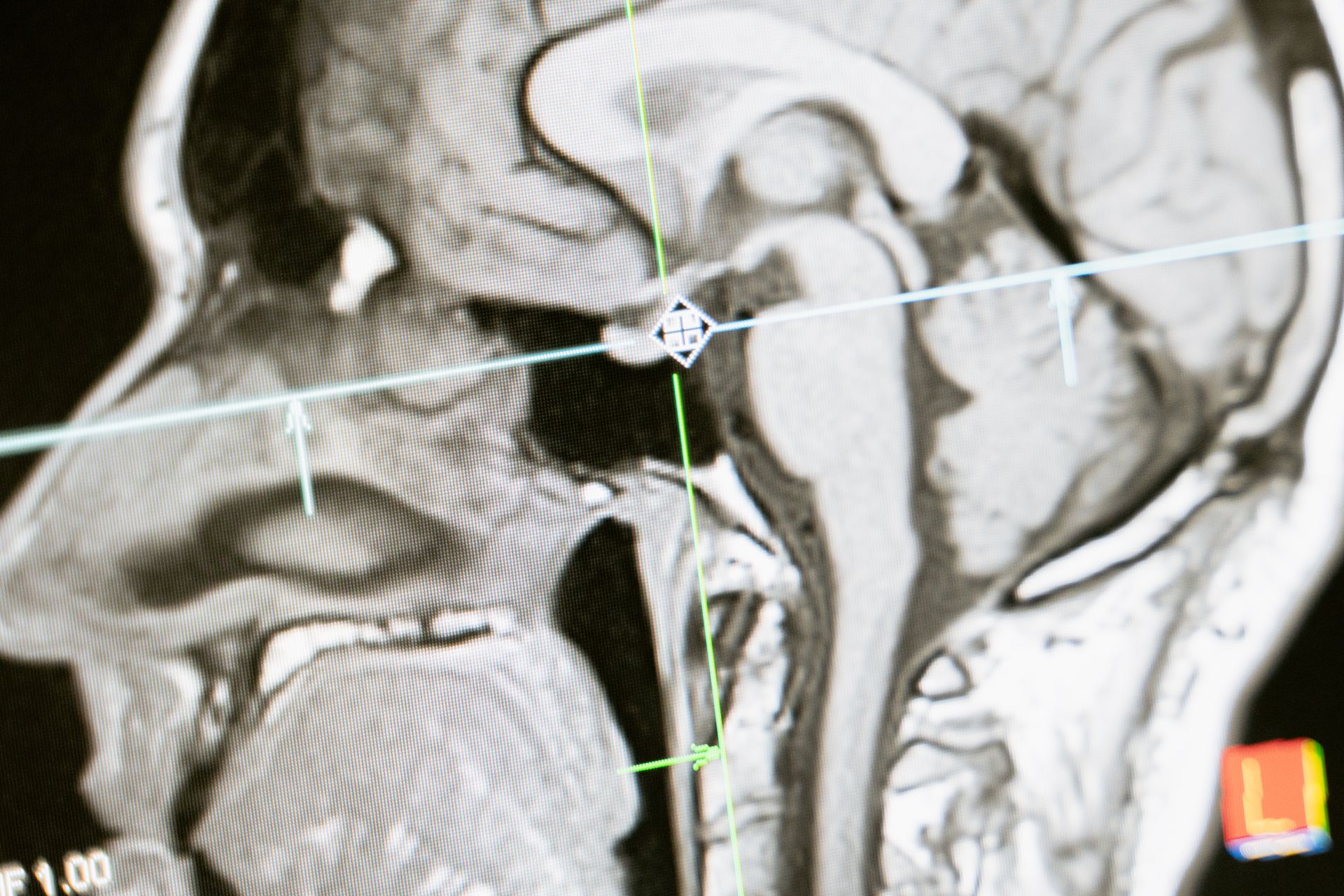
Freud was partly right: how modern neuroscience is rediscovering the unconscious mind
More than a century after Sigmund Freud argued that much of mental life runs below awareness, neuroscientists using modern brain imaging are finding evidence that the brain does far more unconscious processing than once assumed, according to research reported by ScienceDaily. The overlap is partial, but it is reshaping how scientists think about the hidden mind.

How melanoma cheats death: the survival trick scientists just uncovered
Melanoma, the most dangerous form of skin cancer, appears to survive by switching off the body's built-in cell-death program, according to research reported by ScienceDaily. Understanding that escape route could point drug developers toward new ways to force the tumour cells to die.