How extreme heat harms the body: the health risks of longer, hotter heat waves

Heat is often described as a silent hazard. Unlike storms or floods, a heat wave leaves no visible wreckage, yet extreme heat is among the deadliest weather-related threats to human health. A STAT News report notes that heat waves in the United States are growing more frequent, more intense and longer, a trend that raises the stakes for anyone exposed. Understanding how heat harms the body helps explain why.
The human body works hard to keep its core temperature within a narrow range, close to 37 degrees Celsius. When the surrounding air heats up, the body sheds excess warmth mainly by sweating and by moving blood toward the skin. Both mechanisms cost the body water and strain the heart, and both become less effective when the air is very hot or very humid.
Humidity is a crucial and underappreciated factor. Sweat cools the body only when it evaporates, and in humid conditions evaporation slows dramatically. That is why a moderately hot but muggy day can be more dangerous than a hotter but drier one, and why heat warnings increasingly account for humidity as well as temperature.
When the body can no longer cope, the effects escalate. Early signs of heat illness include heavy sweating, weakness, dizziness, headache and nausea, a state often called heat exhaustion. If a person is not cooled and rehydrated, it can progress to heatstroke, a medical emergency in which the body's temperature regulation fails, the core temperature climbs dangerously and organs including the brain can be damaged.
Heat also strains the cardiovascular system. Pushing blood toward the skin and sweating out fluid forces the heart to work harder and can lower blood pressure, which is particularly risky for people with existing heart or circulatory conditions. Much of the excess death during heat waves comes not from heatstroke alone but from heat tipping already-vulnerable bodies over the edge.
Certain groups face far higher risk. Older adults regulate temperature less efficiently and may not feel thirst as strongly. Infants and young children are vulnerable, as are people with chronic illnesses, those taking certain medications, outdoor workers and anyone without access to cooling. Social isolation compounds the danger, since people living alone may not be checked on when they struggle.
The practical defences are well established. Health authorities advise staying hydrated, avoiding strenuous activity during the hottest hours, seeking air-conditioned or shaded spaces, wearing light clothing and checking on vulnerable neighbours and relatives. Recognising the early symptoms of heat illness, and cooling down quickly, can prevent a manageable situation from becoming a crisis.
The broader concern in the STAT report is that these events are no longer occasional. As heat waves lengthen, the body gets less time to recover, and warm nights in particular remove the overnight cooling that normally offers relief. Prolonged heat also stresses health systems, power grids and water supplies, turning an individual health risk into a collective one.
Experts increasingly frame heat as a public-health issue that requires planning, not just personal caution. Measures such as early-warning systems, cooling centres, urban shade and support for isolated residents can reduce deaths, but they depend on preparation before a heat wave strikes rather than improvised responses during one.
For individuals, the message is straightforward: extreme heat is a genuine medical threat, not merely discomfort. Knowing how the body loses the battle against heat, and taking simple steps to help it cope, remains the most reliable protection as hotter, longer heat waves become a regular feature of the calendar.
Read next

The revived presidential fitness test: can it actually get children moving?
The United States is reviving the presidential fitness test for schoolchildren, and health experts told STAT News the move is a positive signal but not a solution on its own. Research suggests that one-off testing does little to raise activity levels unless it is paired with sustained support for physical education.

What is rabies, and why is it almost always fatal once symptoms begin?
The death of a Canadian boy from rabies after a bat was found on his face is a rare tragedy in a wealthy country, the Guardian reports. It is also a reminder of a stark medical fact: rabies is nearly 100% fatal once symptoms appear, yet almost entirely preventable if treated in time.

NHS app to use AI to steer patients to the right service, England announces
England's National Health Service plans to add an artificial-intelligence feature to its app that would help patients work out which service they need, from a pharmacy to A&E, the BBC reports. Officials say it could ease pressure on overstretched services, while doctors' groups urge caution over safety and accuracy.
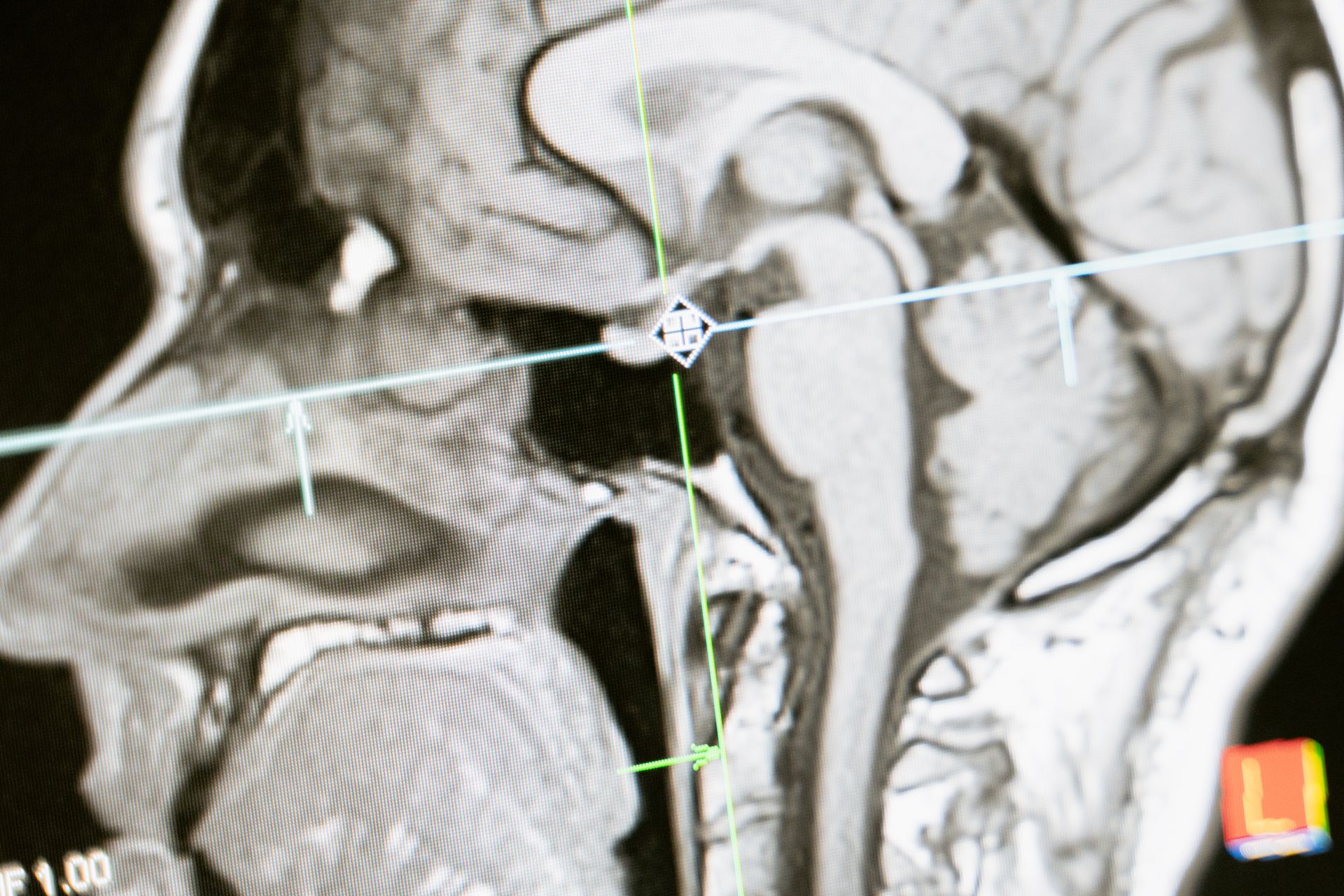
Freud was partly right: how modern neuroscience is rediscovering the unconscious mind
More than a century after Sigmund Freud argued that much of mental life runs below awareness, neuroscientists using modern brain imaging are finding evidence that the brain does far more unconscious processing than once assumed, according to research reported by ScienceDaily. The overlap is partial, but it is reshaping how scientists think about the hidden mind.

How melanoma cheats death: the survival trick scientists just uncovered
Melanoma, the most dangerous form of skin cancer, appears to survive by switching off the body's built-in cell-death program, according to research reported by ScienceDaily. Understanding that escape route could point drug developers toward new ways to force the tumour cells to die.