The revived presidential fitness test: can it actually get children moving?

The United States is reviving the presidential fitness test, a decades-old programme in which schoolchildren are measured on activities such as running, push-ups and flexibility. According to STAT News, health experts have welcomed the renewed attention to youth fitness while cautioning that a test, on its own, is unlikely to change how much children actually move.
The original programme became a familiar and sometimes dreaded ritual for generations of American students before it was phased out and replaced with a health-focused assessment. Its return revives a long-running debate about the best way to encourage physical activity in young people, and whether standardised tests help or simply add pressure.
Experts quoted by STAT framed the revival as a positive step rather than a complete answer. Drawing attention to fitness, they suggested, can signal that physical activity matters and prompt schools and families to think about it. But signalling is not the same as changing behaviour, and the evidence on testing alone is mixed.
The central concern is that a one-off test measures fitness without necessarily building it. A child who is assessed once a year does not become more active simply by being timed, and researchers note that lasting improvements depend on regular opportunities to be active, quality physical education and support that extends beyond a single day of measurement.
There is also a question of motivation. For children who are already active or athletic, a fitness test can be an enjoyable challenge. For those who struggle, being ranked against peers can be discouraging and, in some cases, may push them further away from exercise. Experts have long debated how to test fitness without making less-active children feel singled out.
The backdrop to the policy is a genuine public-health concern. Physical activity levels among children in many countries have declined, while time spent on screens has risen. Regular movement in childhood is linked to better physical and mental health, and habits formed early often carry into adulthood, which is why fitness among the young draws attention from health officials.
Still, specialists argue that the most effective levers are structural rather than symbolic. More time for physical education, safe places to play, active travel to school and programmes that make movement enjoyable tend to have a larger and more durable impact than any single assessment. A test can measure a problem, but resources are what address it.
Supporters of the revived test counter that visibility has value. A national programme can put fitness on the agenda, encourage consistency across schools and give families a shared reference point. If a test prompts broader investment in physical education, they argue, its symbolic role could translate into real benefit.
The experts' verdict, as reported, is therefore measured. The revival is described as a step in the right direction, a way to spotlight an important issue, but not a substitute for the sustained support that actually raises activity levels. The risk, they suggest, is treating the test as the goal rather than a starting point.
Whether the programme moves the needle will depend on what accompanies it. If it arrives alongside stronger physical education and everyday opportunities to be active, it could reinforce healthier habits. If it stands alone, the concern is that it will measure children's fitness without doing much to improve it.
Read next

How extreme heat harms the body: the health risks of longer, hotter heat waves
Heat waves are becoming more frequent, more intense and longer-lasting, raising health risks for millions, according to a STAT News report. Understanding how heat overwhelms the body, and who is most vulnerable, is the first step to staying safe as extreme temperatures become more common.

What is rabies, and why is it almost always fatal once symptoms begin?
The death of a Canadian boy from rabies after a bat was found on his face is a rare tragedy in a wealthy country, the Guardian reports. It is also a reminder of a stark medical fact: rabies is nearly 100% fatal once symptoms appear, yet almost entirely preventable if treated in time.

NHS app to use AI to steer patients to the right service, England announces
England's National Health Service plans to add an artificial-intelligence feature to its app that would help patients work out which service they need, from a pharmacy to A&E, the BBC reports. Officials say it could ease pressure on overstretched services, while doctors' groups urge caution over safety and accuracy.
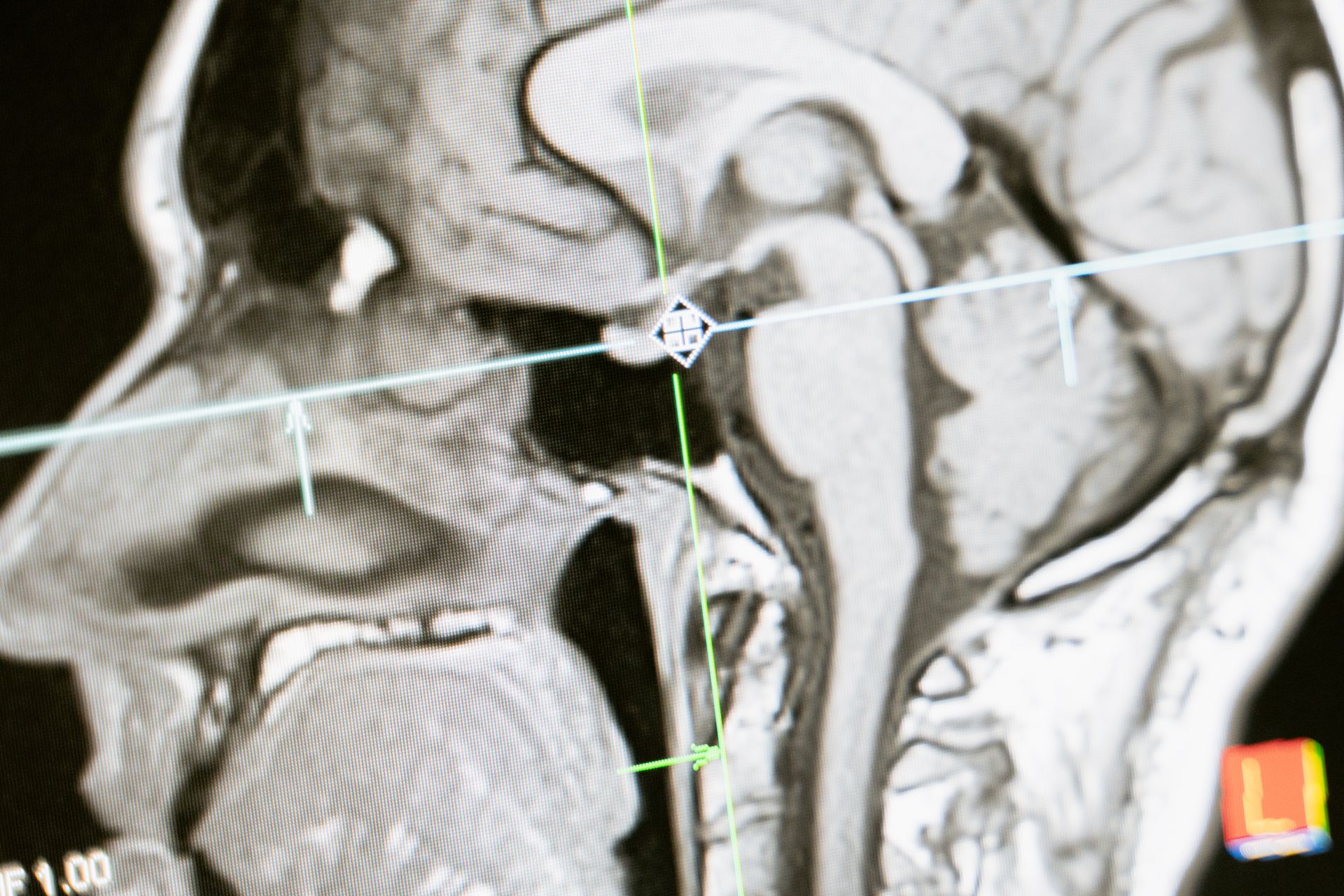
Freud was partly right: how modern neuroscience is rediscovering the unconscious mind
More than a century after Sigmund Freud argued that much of mental life runs below awareness, neuroscientists using modern brain imaging are finding evidence that the brain does far more unconscious processing than once assumed, according to research reported by ScienceDaily. The overlap is partial, but it is reshaping how scientists think about the hidden mind.
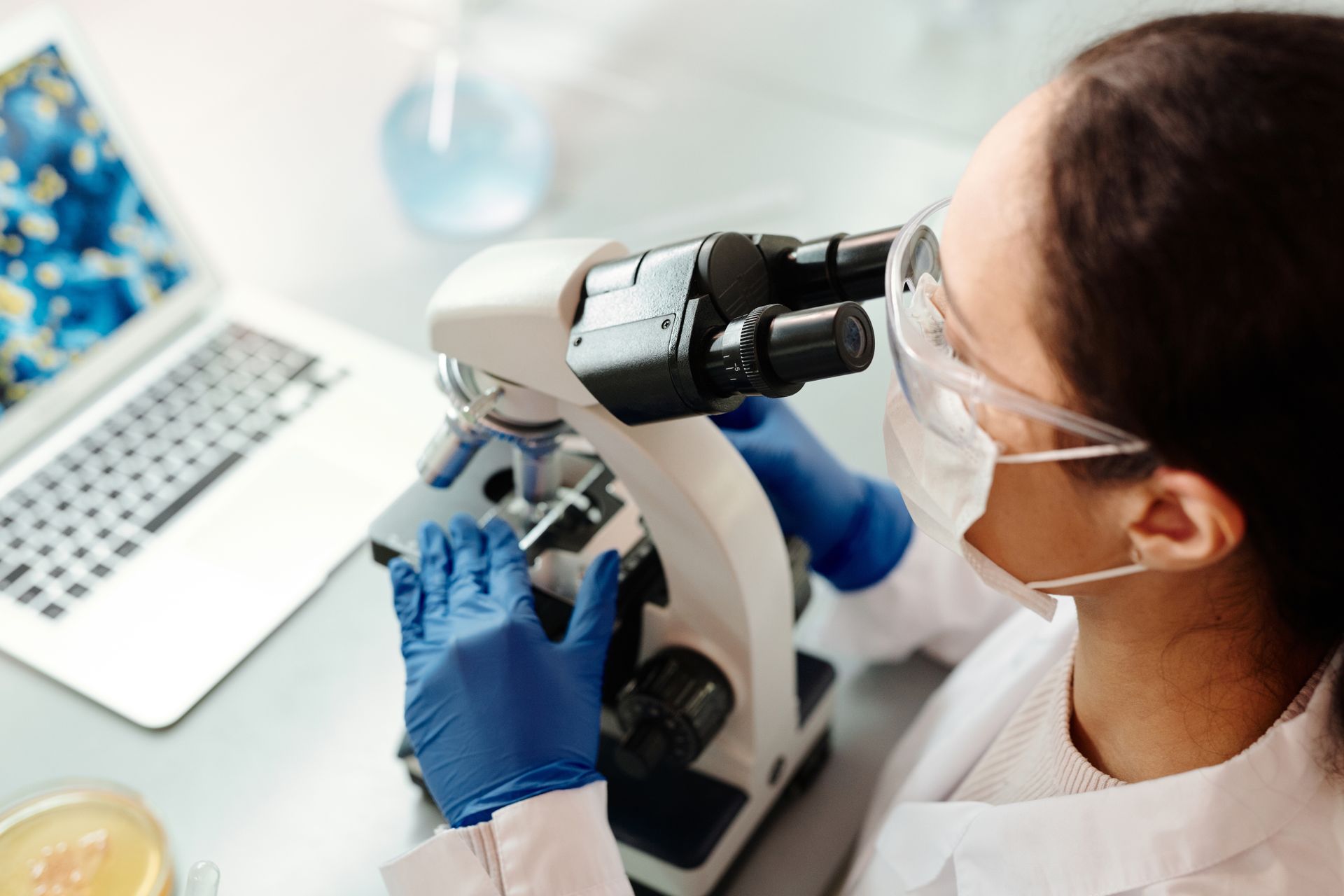
How melanoma cheats death: the survival trick scientists just uncovered
Melanoma, the most dangerous form of skin cancer, appears to survive by switching off the body's built-in cell-death program, according to research reported by ScienceDaily. Understanding that escape route could point drug developers toward new ways to force the tumour cells to die.