Freud was partly right: how modern neuroscience is rediscovering the unconscious mind
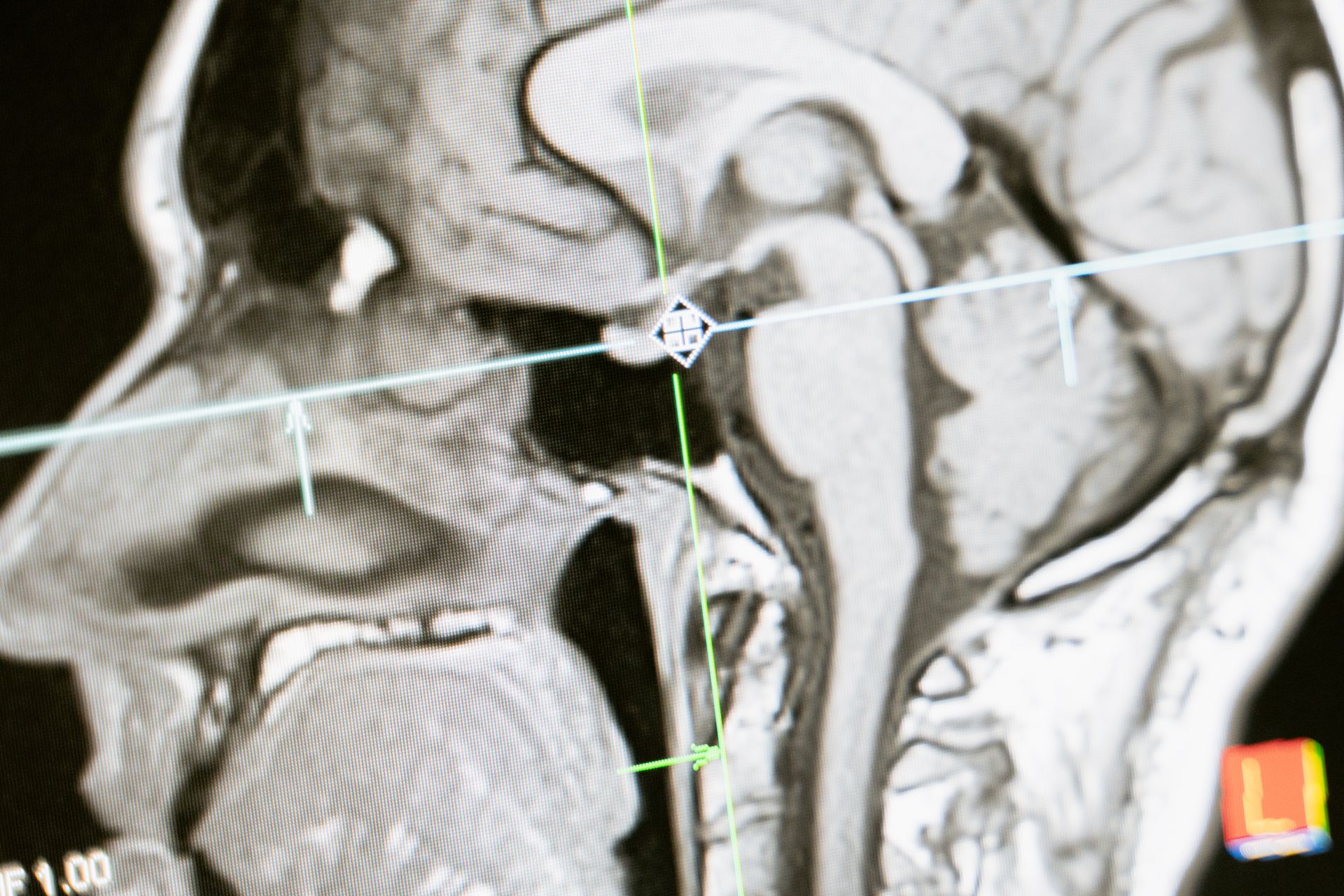
For much of the twentieth century, Sigmund Freud's theory of the unconscious was treated by mainstream science as intriguing but unprovable. His picture of hidden drives, buried memories and mental conflict shaped psychotherapy and popular culture, yet it sat awkwardly with a neuroscience that preferred measurable signals to interpretation. Now, according to research reported by ScienceDaily, modern brain science is circling back to an idea Freud sketched roughly 130 years ago: that a great deal of mental life happens outside conscious awareness.
The modern version is not a wholesale endorsement of Freud. Researchers are careful to separate his broad insight, that unconscious processes drive behaviour, from the specific and often untestable mechanisms he proposed. What imaging studies increasingly show is that the brain registers, sorts and acts on information long before a person becomes consciously aware of it.
That gap between brain activity and conscious experience is now measurable. Experiments have found that the brain can begin preparing a decision fractions of a second before the person reports deciding. Emotional cues can be processed even when a stimulus is flashed too quickly to be consciously seen. The mind, in other words, is doing a large amount of work behind the curtain.
What makes the ScienceDaily report notable is its framing: rather than dismissing Freud as unscientific, some researchers argue that he identified a real feature of the mind using the only tools available in his era, introspection and clinical observation. The conclusions he drew were often speculative, but the underlying observation, that we are not the fully rational, self-aware agents we imagine, has held up.
This matters for how mental health is understood. If much of emotional processing is unconscious, then talking therapies that try to surface hidden patterns are not simply cultural relics; they may be working with genuine features of brain function. At the same time, neuroscience offers a more precise vocabulary than Freud had, describing networks, prediction and memory systems rather than a mythic architecture of id, ego and superego.
Experts urge caution against overstating the reunion. Freud's most famous claims, about repression, dreams and childhood sexuality, remain contested and are not confirmed by imaging. The renewed interest is in the general principle of unconscious processing, not in reviving psychoanalysis wholesale. Confusing the two, researchers warn, would repeat old mistakes in a new language.
The convergence also reflects how far brain imaging has come. Techniques that track blood flow and electrical activity let scientists watch processing unfold in real time, testing hypotheses that were pure conjecture in Freud's day. The unconscious is no longer a philosophical claim to be argued about; parts of it can be observed and quantified.
There are practical implications beyond the clinic. Understanding automatic, unconscious processing helps explain everyday behaviour, from split-second judgements and habits to biases people are unaware they hold. Fields from marketing to road safety already lean on the idea that much of human response is fast, automatic and below awareness.
Still, the story is one of partial vindication rather than triumph. Freud got the headline right, that the conscious mind is only the visible tip of mental life, while getting many of the details wrong. Modern neuroscience is filling in those details with evidence he could never have gathered, replacing narrative with measurement.
The lesson researchers draw is about humility on both sides. A century of brain science has confirmed that we understand ourselves less than we think, an idea that once sounded like philosophy and now increasingly reads like biology. That, more than any single experiment, is what the rediscovery of the unconscious represents.
Read next

The revived presidential fitness test: can it actually get children moving?
The United States is reviving the presidential fitness test for schoolchildren, and health experts told STAT News the move is a positive signal but not a solution on its own. Research suggests that one-off testing does little to raise activity levels unless it is paired with sustained support for physical education.

How extreme heat harms the body: the health risks of longer, hotter heat waves
Heat waves are becoming more frequent, more intense and longer-lasting, raising health risks for millions, according to a STAT News report. Understanding how heat overwhelms the body, and who is most vulnerable, is the first step to staying safe as extreme temperatures become more common.
What is rabies, and why is it almost always fatal once symptoms begin?
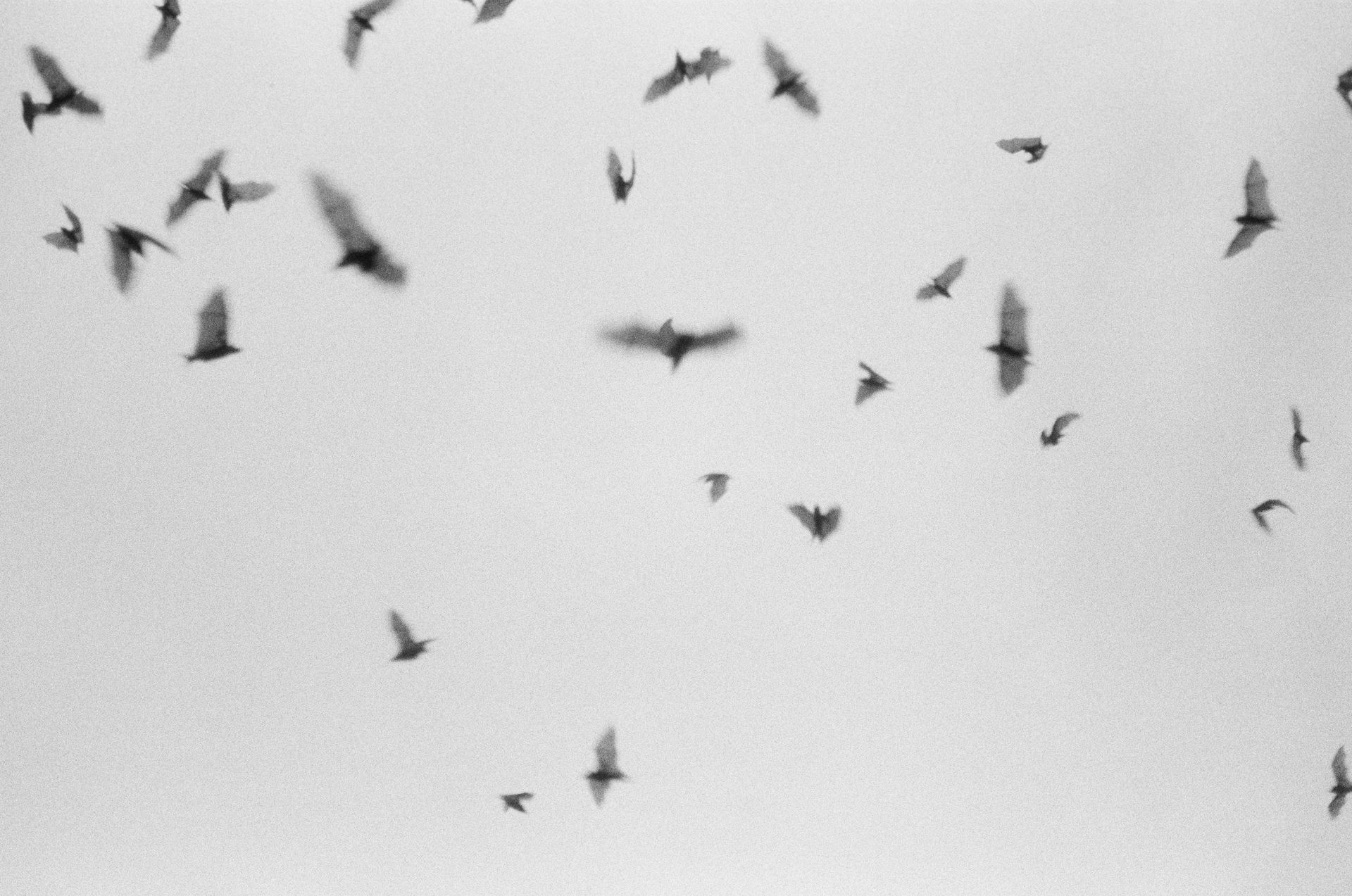
The death of a Canadian boy from rabies after a bat was found on his face is a rare tragedy in a wealthy country, the Guardian reports. It is also a reminder of a stark medical fact: rabies is nearly 100% fatal once symptoms appear, yet almost entirely preventable if treated in time.

NHS app to use AI to steer patients to the right service, England announces
England's National Health Service plans to add an artificial-intelligence feature to its app that would help patients work out which service they need, from a pharmacy to A&E, the BBC reports. Officials say it could ease pressure on overstretched services, while doctors' groups urge caution over safety and accuracy.

How melanoma cheats death: the survival trick scientists just uncovered
Melanoma, the most dangerous form of skin cancer, appears to survive by switching off the body's built-in cell-death program, according to research reported by ScienceDaily. Understanding that escape route could point drug developers toward new ways to force the tumour cells to die.