How melanoma cheats death: the survival trick scientists just uncovered
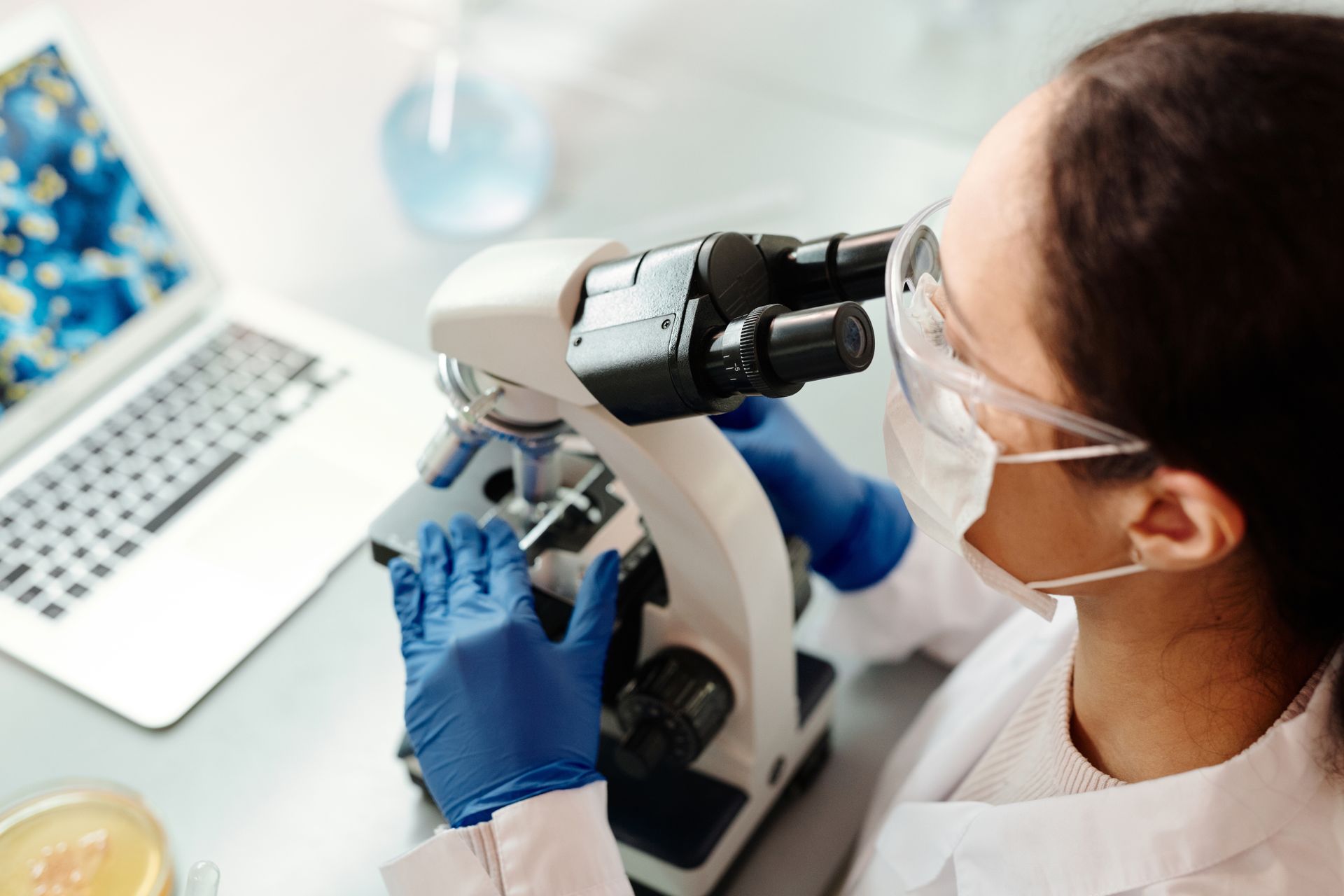
Every healthy cell in the human body carries a self-destruct switch. When a cell becomes damaged, stressed or dangerous, an internal program called apoptosis is meant to shut it down cleanly, without harming its neighbours. Cancer, at its core, is the story of cells that have learned to ignore that switch. New research reported by ScienceDaily suggests that melanoma, the deadliest skin cancer, has found a particularly effective way to do exactly that.
Melanoma begins in melanocytes, the pigment-producing cells that give skin its colour. When those cells turn cancerous they become notoriously hard to kill, and the disease can spread to distant organs even after the original mole is removed. Oncologists have long wondered why melanoma cells shrug off treatments that succeed against other tumours. The answer, researchers say, may lie in how these cells manage their own death machinery.
According to the report, the tumour cells appear to keep the apoptosis program permanently dialled down, so the signals that should trigger self-destruction never reach a critical threshold. In effect, the cell disarms its own alarm. That resistance helps explain why melanoma can survive chemotherapy, radiation and, in some cases, targeted drugs that work well at first before the cancer rebounds.
The importance of the finding is less about a single molecule and more about the strategy it reveals. If scientists can identify the exact brake that melanoma applies to cell death, they may be able to release it, restoring the tumour's vulnerability. Drugs that push cancer cells back toward apoptosis are already an active area of research in other cancers, and melanoma has been a difficult target for that approach.
Researchers caution that a laboratory discovery is only the first step. Understanding a survival mechanism in cells or animal models does not automatically translate into a therapy that is safe and effective in patients. Years of testing typically stand between a mechanism and a medicine, and many promising targets fall away during that process.
Still, the direction of travel matters. Melanoma treatment has already been transformed over the past decade by immunotherapy, which unleashes the immune system against tumours. But not every patient responds, and some who respond later relapse. A second line of attack that directly targets the cancer's death-evasion trick could, in principle, complement those existing tools.
The disease remains a serious public-health concern. Melanoma rates have climbed in many countries over recent decades, driven in part by ultraviolet exposure from sun and tanning beds. Caught early, when it is still confined to the skin, melanoma is often curable with surgery. Once it spreads, survival rates drop sharply, which is why researchers place such value on any insight into how the cancer persists.
Prevention advice has not changed. Dermatologists continue to recommend limiting midday sun, using broad-spectrum sunscreen, avoiding tanning beds and watching moles for changes in size, shape, colour or texture. Early detection remains the single most powerful tool patients have, regardless of what happens in the laboratory.
What the new work adds is a clearer map of the enemy. For decades melanoma has been described as unusually stubborn; this line of research begins to explain the biology behind that reputation. By showing how the cancer holds its own death program hostage, scientists narrow the search for the switch that might set it free.
For now, the finding is a lead rather than a cure. But in a disease defined by its refusal to die, learning exactly how melanoma refuses is a meaningful step, and one that researchers hope will guide the next generation of treatments.
Read next

The revived presidential fitness test: can it actually get children moving?
The United States is reviving the presidential fitness test for schoolchildren, and health experts told STAT News the move is a positive signal but not a solution on its own. Research suggests that one-off testing does little to raise activity levels unless it is paired with sustained support for physical education.

How extreme heat harms the body: the health risks of longer, hotter heat waves
Heat waves are becoming more frequent, more intense and longer-lasting, raising health risks for millions, according to a STAT News report. Understanding how heat overwhelms the body, and who is most vulnerable, is the first step to staying safe as extreme temperatures become more common.

What is rabies, and why is it almost always fatal once symptoms begin?
The death of a Canadian boy from rabies after a bat was found on his face is a rare tragedy in a wealthy country, the Guardian reports. It is also a reminder of a stark medical fact: rabies is nearly 100% fatal once symptoms appear, yet almost entirely preventable if treated in time.

NHS app to use AI to steer patients to the right service, England announces
England's National Health Service plans to add an artificial-intelligence feature to its app that would help patients work out which service they need, from a pharmacy to A&E, the BBC reports. Officials say it could ease pressure on overstretched services, while doctors' groups urge caution over safety and accuracy.
Freud was partly right: how modern neuroscience is rediscovering the unconscious mind
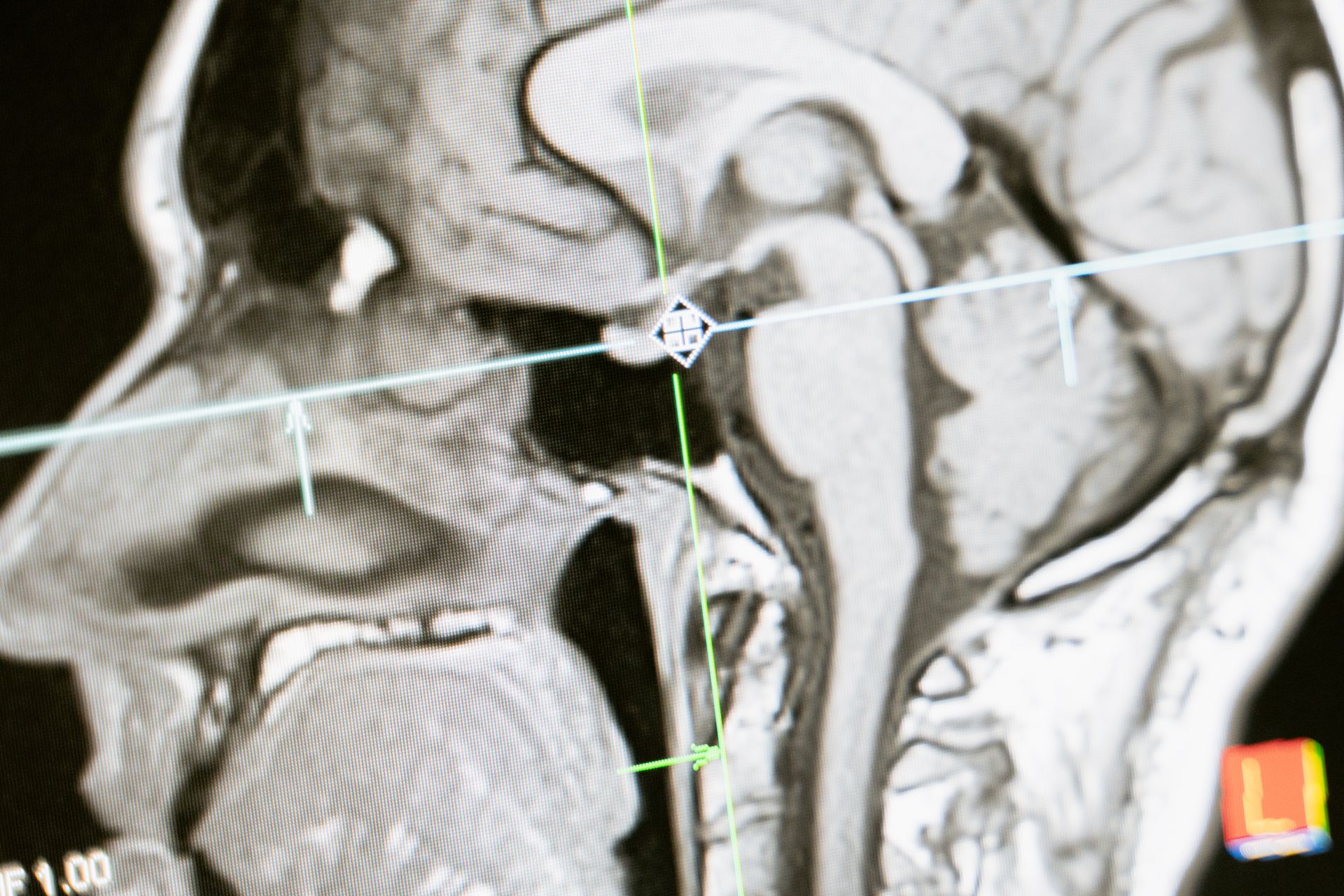
More than a century after Sigmund Freud argued that much of mental life runs below awareness, neuroscientists using modern brain imaging are finding evidence that the brain does far more unconscious processing than once assumed, according to research reported by ScienceDaily. The overlap is partial, but it is reshaping how scientists think about the hidden mind.