NHS rolls out injectable cancer immunotherapy that saves patients hours in hospital
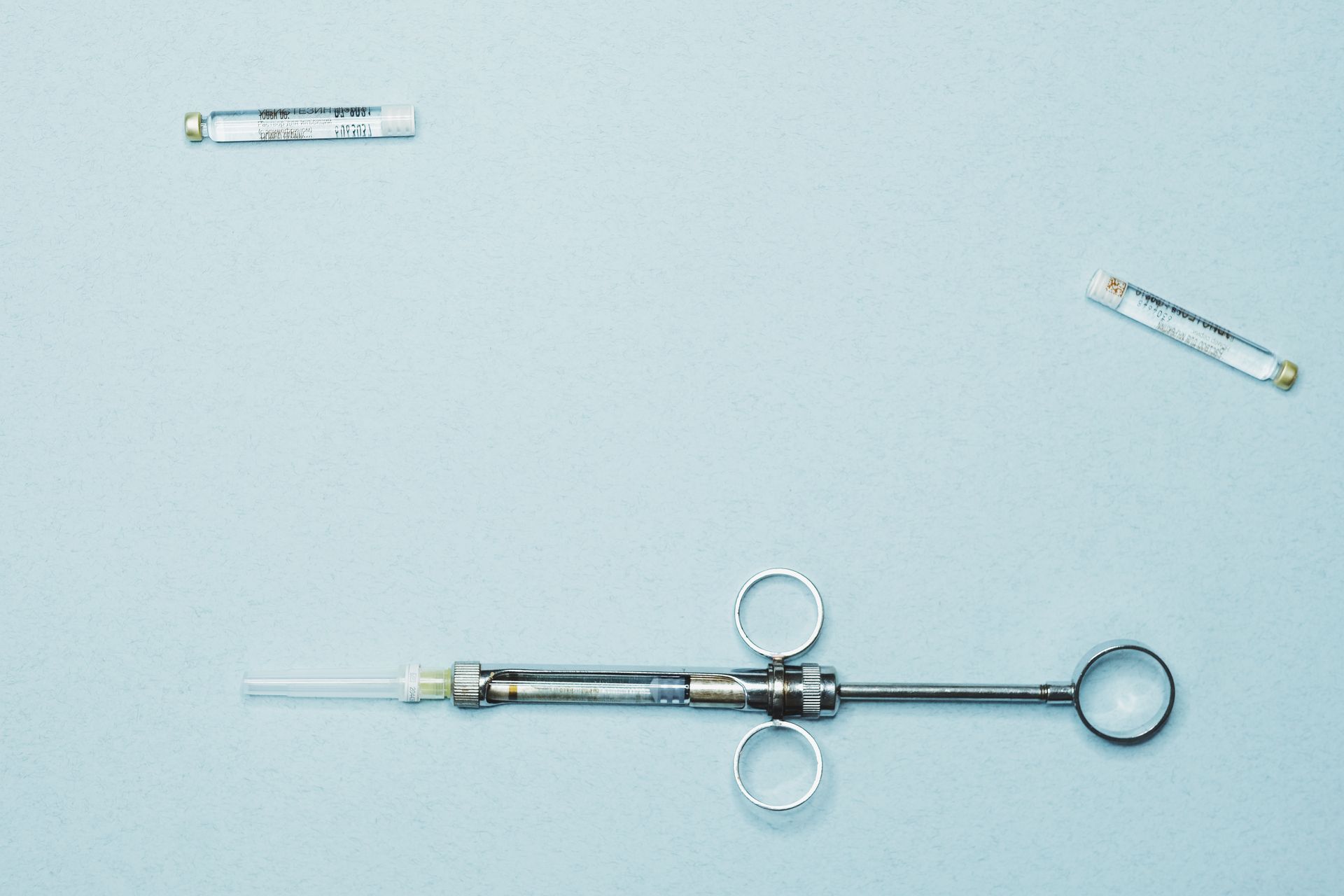
The NHS in England began rolling out an injectable form of the cancer immunotherapy drug atezolizumab on Saturday, replacing intravenous infusions of 60 to 90 minutes with a subcutaneous injection that takes about seven minutes for thousands of eligible patients.
The injectable form, marketed by Roche as Tecentriq SC, will be used for specific subtypes of lung, bladder and liver cancer. Instead of a long infusion via a chest port or hand vein, the drug is delivered as a single subcutaneous injection by a nurse. A typical treatment cycle that takes 60 to 90 minutes intravenously is complete in around seven minutes with the new form.
NHS England said up to 3,500 eligible patients will benefit from the shorter version in the first year of the rollout. That equates to about 11,500 hospital chair-hours per year freed up for other patients. "This is a win for patients, for our nurses, and for everyone on our waiting list," said Professor Peter Johnson, the NHS national clinical director for cancer.
Clinically, the subcutaneous form showed a similar pharmacokinetic profile to the intravenous version in the IMscin001 phase 3 trial published in Lancet Oncology in 2023. Response rates (around 24% in non-small-cell lung cancer) and overall survival were comparable. The side-effect spectrum also overlapped, with fatigue, rash and diarrhoea most common.
Subcutaneous atezolizumab was approved by the European Medicines Agency (EMA) and the UK's Medicines and Healthcare products Regulatory Agency (MHRA) in late 2024. The National Institute for Health and Care Excellence (NICE) issued the rollout decision in March 2026, with deployment to begin this year. NICE calculated that freed-up outpatient capacity will save about 19 million pounds a year on average over five years.
The rollout begins at Manchester's Christie Hospital, the Royal Marsden in London and Oxford University Hospitals Trust under a pilot phase. Patient feedback in those sites has been overwhelmingly positive. Margaret Wilson, 67, treated at the Christie, said: "I used to spend an entire afternoon at the hospital. Now I arrive, get the injection, and go home for lunch the same day."
Wider deployment faces infrastructure challenges. Some regional hospitals do not have enough dedicated physical space for chemotherapy and immunotherapy treatments; subcutaneous administrations turn around faster but space is still limited. NHS England plans to standardise the rollout in 110 hospitals this year. A community-pharmacy-style delivery option for smaller hospitals is being evaluated.
On cost, the subcutaneous form has the same list price as the intravenous version. Atezolizumab treatment costs around 4,000 pounds per cycle in 2026; an average patient's annual treatment cost runs between 50,000 and 65,000 pounds. NHS plans to spread its existing budget across more patients thanks to the chair-time saving and the halving of the administering nurse's time.
Cancer Research UK welcomed the rollout but warned that "access is not yet geographically equal." Hospitals in Yorkshire and the south-west of the UK are not expected to begin until late 2026. Cancer Research UK policy chief Naser Turabi said: "This innovation is wonderful, but access should not be delayed depending on your postcode."
The move is part of an NHS strategy to compress administration time across cancer therapies. Last year, a subcutaneous pertuzumab-and-trastuzumab combination for breast cancer was approved that reduced an over-an-hour infusion to two minutes. NHS England aims to cut total chair-time across cancer therapies by 18% by 2027. "It is the NHS's mission that patients can be treated without their lives being upended," Johnson said.