Top researchers call for sweeping policy changes on ultra-processed food
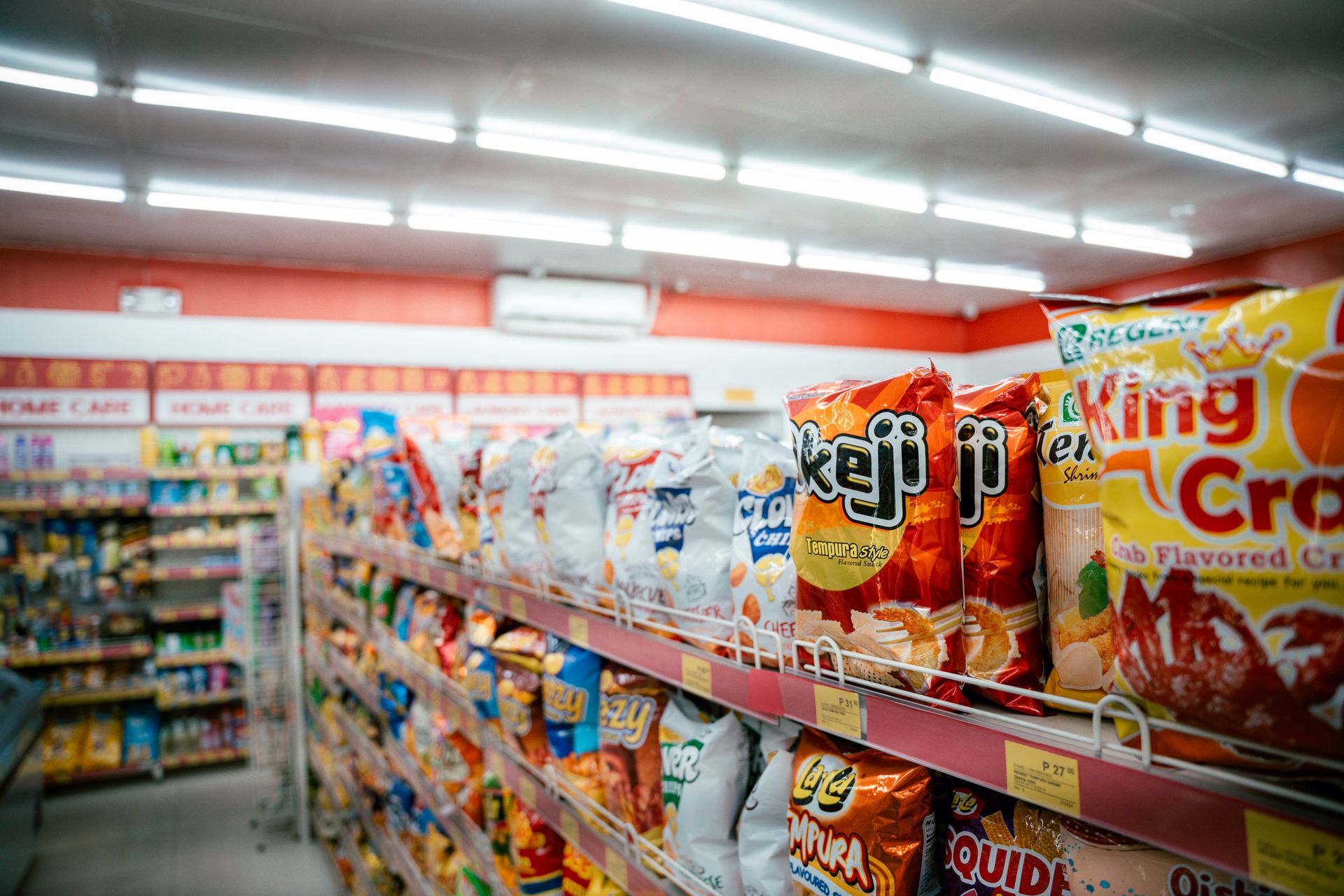
A new research survey reported by STAT News finds that a large majority of academics working on ultra-processed food are calling for sweeping policy changes. The survey was described as the largest scan of researcher opinion since the development of the NOVA food classification system and covered more than 1,450 nutrition science specialists across 35 countries.
The lead author of the research, Professor Carlos Augusto Monteiro, is a public health specialist at the University of Sao Paulo and known as the original architect of the NOVA classification. Monteiro told STAT News that 'the results reflect the past decade of our profession; the weight of evidence for the impact of ultra-processed foods on health has clearly grown'.
In the survey, 89 percent of participants agreed that ultra-processed foods significantly raise the risk of chronic disease. Seventy-six percent assessed regulatory measures implemented so far as 'insufficient'. A further 62 percent reported that the food industry's influence on scientific research funding structures was harming independent science.
The policy proposals with the highest support among participants included bans on the marketing of ultra-processed food to children, restrictions on those products in school canteens, the introduction of front-of-pack warning labels, and increased consumption taxes on unhealthy products. These measures have been implemented to varying degrees in Chile, Mexico, Brazil and the United Kingdom to date.
The United States position is particularly striking. According to data conveyed by STAT, 58 percent of the total calories Americans consume come from ultra-processed foods, with that share rising slowly since 2010. Seventy-three percent of Democratic voters and 61 percent of Republican voters say they want 'public-health action' on ultra-processed food, an unusual cross-party overlap in recent years.
Stanford University nutrition expert Professor Christopher Gardner told STAT News that 'concern coming from both ends of the political spectrum shows that ultra-processed foods have become deeply embedded in the daily diet of all Americans'. Gardner stressed that the concern relates not only to consumer trends but also to the economic structure of the food chain.
The counter-view is also present. International Food and Beverage Alliance chief science officer Dr Karen Cooper said in a written statement to STAT News that 'the NOVA classification does not comprehensively measure the degree to which foods have been processed'. Cooper stressed that the industry's voluntary reforms and commitments to reduce sugar, salt and saturated fat have produced measurable progress over the past five years.
The US Food and Drug Administration's (FDA) new nutrition director, Dr Susan Mayne, said the current administration's policy emphasis has shifted. According to Mayne, the 2030 revision of federal nutrition guidance includes consideration of a specific category for ultra-processed foods. Mayne added a caveat that the decision may rest as much on political winds as on scientific evidence.
The European Union's approach has a different cast to the United States. The EU Commission's Health Directorate opened a revision of the European Healthy Diet Strategy in October 2025. The new strategy envisages standardising front-of-pack Nutri-Score labels across the bloc. A vote in the Council of the EU is expected in December 2026.
A significant share of survey respondents also raised conflicts of interest arising from industry funding of academic research. Forty-one percent reported having received an industry-funded research proposal in the past three years, and 78 percent said such funding carries 'risk' for independent science. STAT News reports that the food policy debate is bound up with a parallel discussion about scientific independence. This article is not medical advice; individuals should consult a specialist to assess their own health.
More from Health

Bladder cancer drug durvalumab may spare patients life-changing surgery
According to The Guardian, a treatment combination including the immunotherapy drug durvalumab may stop tumours from returning in bladder cancer patients, potentially avoiding the need for full bladder removal. The clinical trial was led by the London-based Institute of Cancer Research.

Genital herpes cases rising in England despite an overall drop in STIs
The UK Health Security Agency's latest report shows an overall drop in sexually transmitted infections in England, but a continued rise in genital herpes cases. The BBC reports the agency is calling for sustained access to testing and counselling among young people.

Can two hours of strength training a week reduce the risk of dying early?
A new study reported by the BBC suggests adults who do about two hours of strength training a week may reduce their risk of dying early by a measurable amount. The findings strengthen the link between muscle mass, metabolism and health outcomes from midlife onward.