Sydney dental clinic patients told to test for HIV and hepatitis after infection-control review
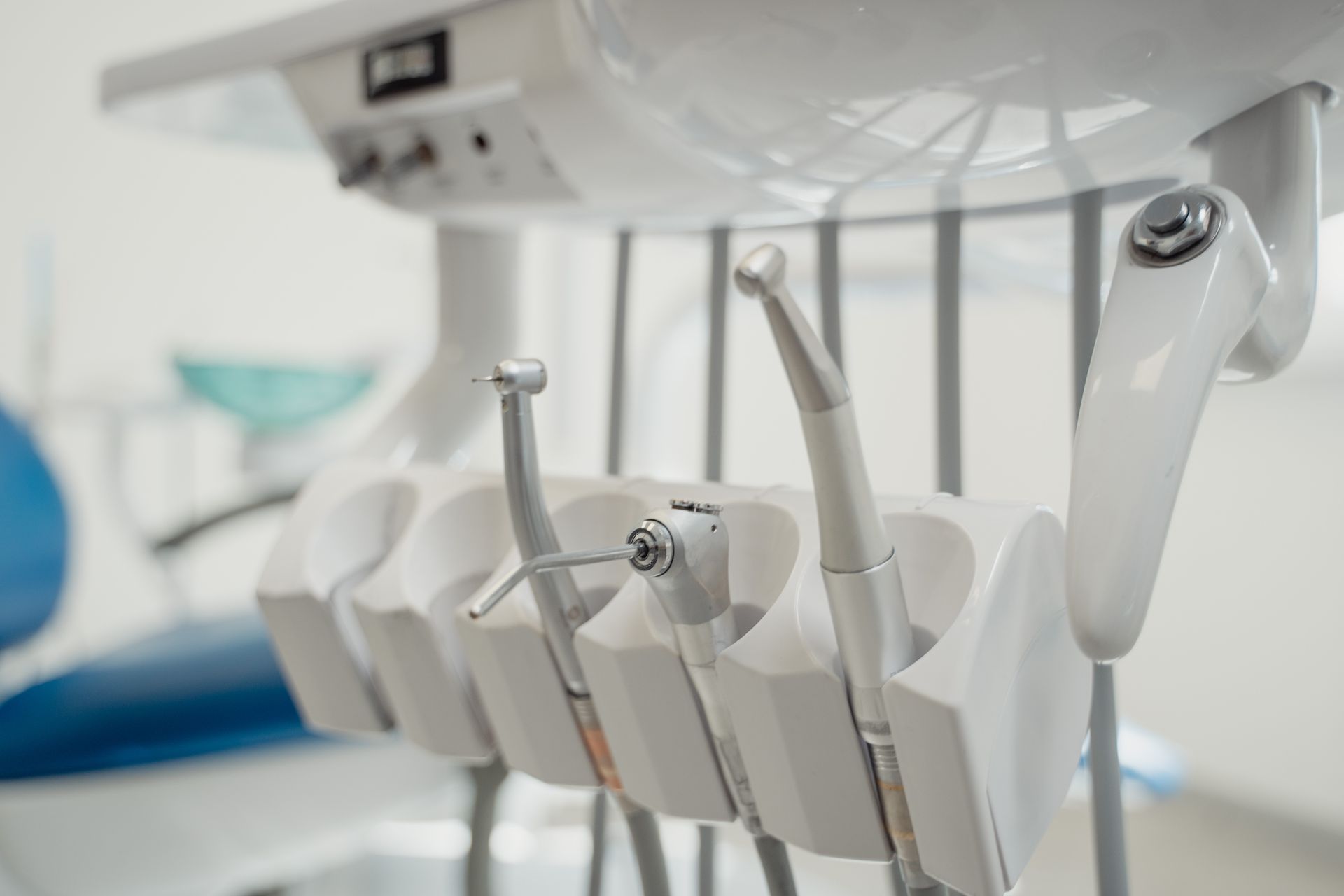
The New South Wales state health authority has said that a dental clinic operating in western Sydney was found to have committed 'unacceptable infection-control breaches' over the past three years and that the breaches may have created a risk to more than 11,000 patients. The authority has recommended that all affected patients undergo free testing for HIV, hepatitis B and hepatitis C.
The recommendation is based on findings that surgical instruments at the clinic were not subject to adequate sterilisation protocols. State health inspectors found that the autoclave devices in use were operating on unvalidated temperature-and-time profiles and that daily checks were not consistently recorded.
NSW Health stratified patient risk into three levels: those who had undergone high-risk procedures such as surgical extractions or implants; those with medium-risk procedures such as root canal treatment or periodontal scaling; and those with low-risk procedures such as X-rays or cleanings. Patients in the high-risk group have been asked to test as a priority.
The dental practice's owner has had their professional activity suspended by order of the NSW Dental Council. According to the ministry's statement, the investigation rested on a long-standing whistleblower report by another dentist at the clinic, and action began in the spring of 2024. No confirmed transmission of HIV or hepatitis has been identified during the period; nonetheless, authorities have recommended large-scale screening because the risk cannot be ruled out.
NSW director of health protection Dr Jeremy McAnulty, emphasising that the overall risk level is 'low', told the BBC: 'There is a striking gap between the seriousness of the breaches observed and the absence of identified transmission. Still, while there is risk, we are advising people to test for peace of mind.'
In Australia, infection-control standards for dental clinics are set by the Australian Dental Association (ADA). Those standards require weekly biological verification of autoclaves, daily chemical-indicator records, and separate storage of single-use and reusable instruments. The case includes practices found to be at variance with several of those standards.
Patient advocate Caroline Aldridge told ABC News: 'That this audit only happened because of internal whistleblowing is itself a system problem. Australia does not have a national legal framework requiring routine, scheduled inspections of private clinics.' The New South Wales government said the review intervals would be reassessed.
On how clinic patients have been informed, the state said it had written directly to those identified as potentially affected and had also opened a dedicated information line and website. NSW Health said the line received more than 3,200 calls in its first 24 hours. Patients have been told that any testing costs not covered by Medicare will be paid by the state.
Public-health specialist Dr Lisa Heron said clinic-based screening of this scale had not been carried out in Australia since the 1990s. In a similar 1990s case involving a Sydney practitioner about 13,000 patients were tested and three confirmed transmissions were recorded. Heron said the present risk may be lower because sterilisation technology has advanced considerably since.
The NSW health ministry expects the screening process to be completed within the next three months. The ministry said the evaluation report due at the end of the process would form the central reference for a national review of private dental-clinic inspection protocols.