Why some cancer treatments stop working: the resistance biology researchers are mapping
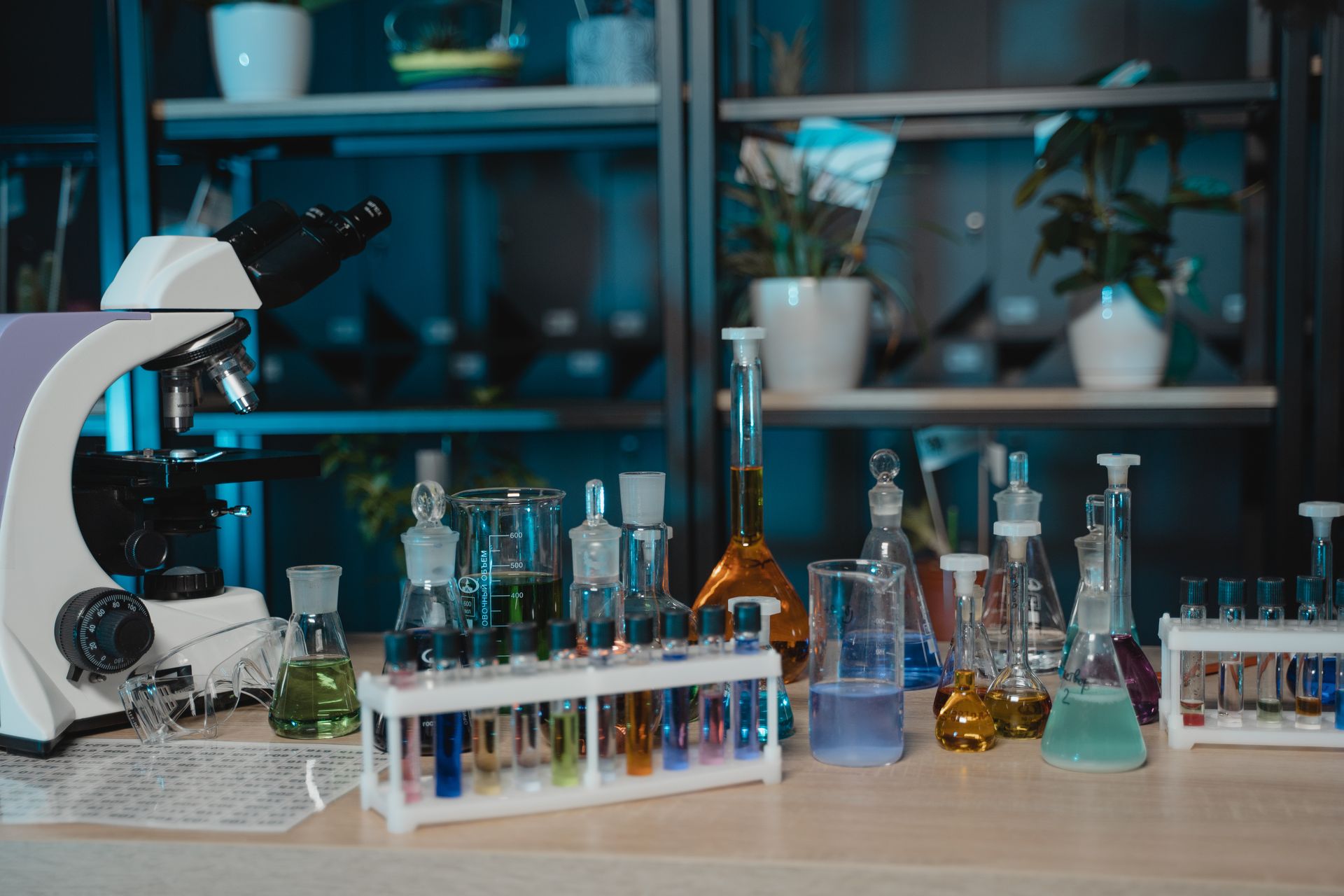
A cancer drug that works for weeks and then abruptly stops is one of oncology's oldest and most exhausting puzzles. A new study, summarised by Science Daily, prises that black box open a little further.
The research analyses hundreds of patient samples at the single-cell level to understand how tumour cells survive under drug pressure. The team reports that a subset of cells switches on an entirely new program the moment the drug arrives.
At the centre of that program is a cluster of genes that normally sits silent. Drug stress wakes those genes up, and the cell builds an alternative survival circuit that bypasses the targeted pathway altogether. The researchers call the state plastic resistance.
Most current chemotherapies and targeted drugs are designed on the assumption that a tumour depends on a specific mutation. But the study shows cells can develop durable, inheritable resistance without any mutation, which leaves the classical genetic-testing playbook short.
The study's lead author told Science Daily the most surprising part was the timing. A single dose is enough to trip the backup program, which means resistance is sprouting long before the treatment is judged a success.
The findings held in samples from lung, breast and pancreatic cancers. That suggests the mechanism is not specific to a single tumour type but operates as a cellular defence reflex across very different malignancies.
Clinically, the most promising part is that the backup program can be turned off. The team shows that a key protein running the program can be blocked with a small-molecule inhibitor, and that doing so extends the effective life of existing drugs several-fold.
Experts urge caution. The inhibitors have not been tested in humans yet, and the side-effect profile in real patients is unknown. Confirming the findings in first-in-human trials could take roughly two years.
Still, the study points to a conceptual shift in how oncology thinks about resistance. Resistance is no longer treated as a mutational surprise but as a cellular behaviour that can be mapped, anticipated and pre-empted.
Vesper covers health and medical research for information only; this article is not medical advice. Treatment decisions should be made with a qualified clinician.
Read next
Is the rise of GLP-1s reshaping ideas of Black beauty?
The mainstreaming of GLP-1 obesity drugs is reigniting a conversation about cultural beauty standards. A long Guardian feature explores how settled ideas about body aesthetics in Black women's culture are entering a new test.
How ultra-processed foods may be stealing your focus, even if you eat healthy
A new study finds ultra-processed foods leave a measurable mark on attention and short-term memory even when the rest of the day's diet is healthy. The findings, summarised by Science Daily, tie nutrition science back into the debate over focus.

Extreme heat will double US hospitalisations by 2040, new study warns
A research team says that if the current climate trajectory holds, US heat-related hospitalisations will double by 2040. The study, summarised by the Guardian, finds health systems "woefully unprepared" for the load.

OB-GYN association issues its own vaccine schedule for pregnancy, diverging from CDC guidance
The American College of Obstetricians and Gynecologists has issued its own set of vaccine recommendations for pregnancy that diverges from CDC guidance, STAT News reports. The college says the decision is based on clinical evidence; the dispute draws a line in how prenatal care is governed.

Top five-a-day foods a new study says your heart needs
Britain's five-a-day advice has been repeated, mostly unchanged, since the 1990s. A new study summarised by the BBC says the make-up of the five portions matters far more than long thought — and five specific foods stand out clearly for heart health.