How ultra-processed foods may be stealing your focus, even if you eat healthy
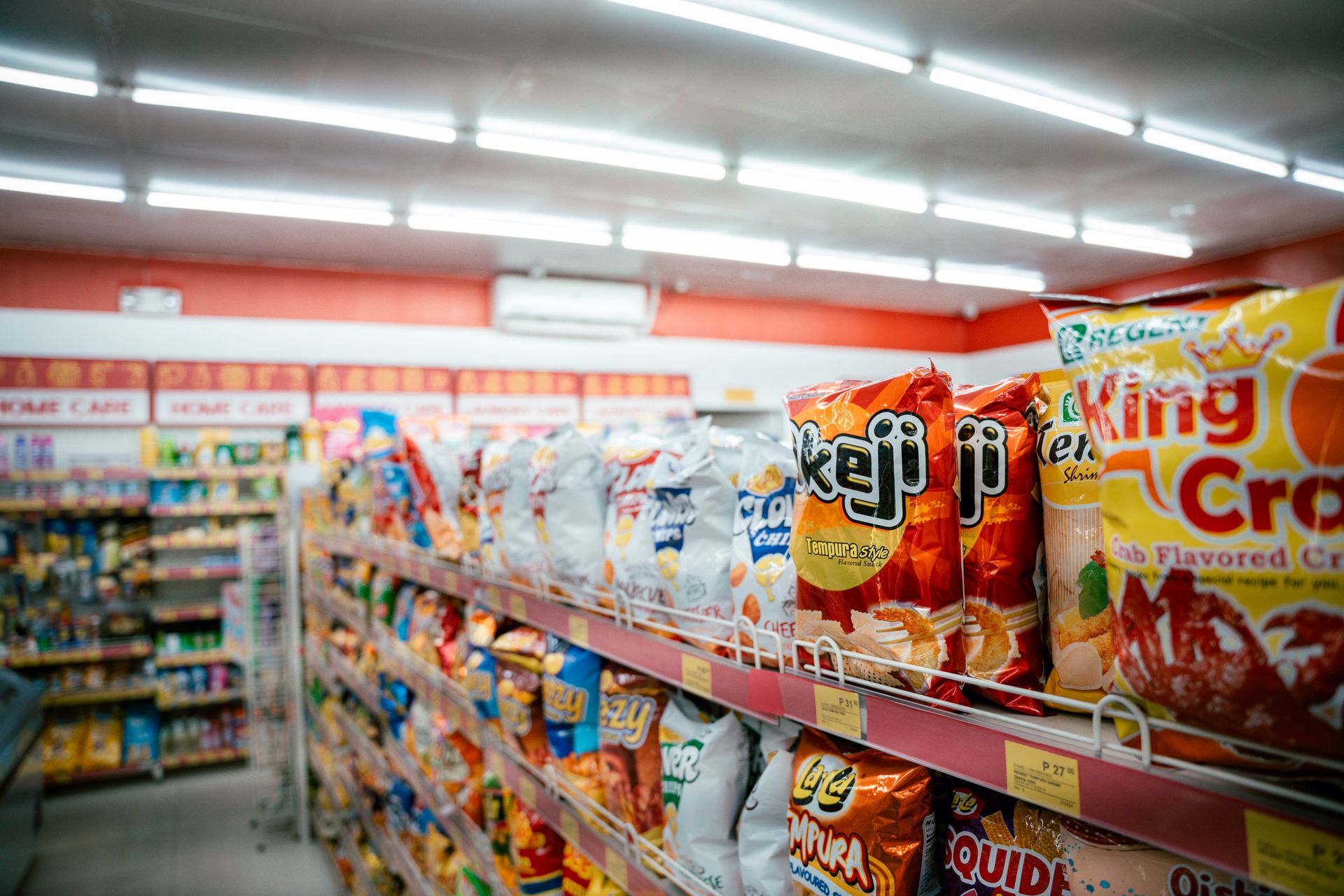
The ultra-processed foods debate has run for years through hearts, weight and cancer. A new study summarised by Science Daily adds an unexpected line item: day-to-day focus.
The team followed 1,500 adults with an average age of 38 through a fortnight-long battery of standard cognitive tests. They classified diets by degree of processing, not by labels.
In those who drew 30% or more of daily calories from ultra-processed foods, attention-span scores dropped meaningfully. Short-term memory and decision-making speed also took a hit.
The striking detail: the effect held even for people who ate vegetables, fish and whole grains across the rest of the day. A single grain-based snack or ready-meal could undo a healthy effort.
The researchers explain the mechanism mostly through emulsifiers and glycaemic swings. Fast-absorbed sugars and artificial sweeteners pull the brain's glucose balance down within hours.
Two ingredients in particular stand out. Sodium nitrite in processed meats and maltodextrin in ready foods each correlated negatively with cognitive scores. The study also notes meaningful individual sensitivity to those compounds.
Experts urge caution about causality. The study is observational; people's ultra-processed habits can travel with other behaviours. Even so, the size of the effect remains notable once other variables are controlled.
The practical takeaway is simple. A dietitian on the study told Science Daily that counting items on the ingredient list, rather than reading the front label, is a useful rule of thumb. Foods with more than five processing chemicals tend to land in the ultra-processed band.
The impact is sharper for children and adolescents. In the study's sub-analysis, children with a high ultra-processed share had measurably lower attention levels on school-performance proxies.
Vesper covers health and medical research for information only; this article is not medical advice. Dietary changes should be discussed with a clinician or registered dietitian.
Read next

Is the rise of GLP-1s reshaping ideas of Black beauty?
The mainstreaming of GLP-1 obesity drugs is reigniting a conversation about cultural beauty standards. A long Guardian feature explores how settled ideas about body aesthetics in Black women's culture are entering a new test.

Extreme heat will double US hospitalisations by 2040, new study warns
A research team says that if the current climate trajectory holds, US heat-related hospitalisations will double by 2040. The study, summarised by the Guardian, finds health systems "woefully unprepared" for the load.

OB-GYN association issues its own vaccine schedule for pregnancy, diverging from CDC guidance
The American College of Obstetricians and Gynecologists has issued its own set of vaccine recommendations for pregnancy that diverges from CDC guidance, STAT News reports. The college says the decision is based on clinical evidence; the dispute draws a line in how prenatal care is governed.

Top five-a-day foods a new study says your heart needs
Britain's five-a-day advice has been repeated, mostly unchanged, since the 1990s. A new study summarised by the BBC says the make-up of the five portions matters far more than long thought — and five specific foods stand out clearly for heart health.

Why some cancer treatments stop working: the resistance biology researchers are mapping
Researchers have identified a hidden cellular mechanism that allows tumour cells to shrug off the most advanced therapies. The study, summarised by Science Daily, points to a new way to predict and reverse drug resistance — one of oncology's hardest problems.