Sea drone rescues U.S. Army Apache helicopter crew near the Strait of Hormuz
The Pentagon has confirmed that the two-crew complement of a U.S. Army Apache helicopter that went down on Monday roughly 60 nautical miles south-east of the Strait of Hormuz was rescued by an uncrewed sea drone. A Saildrone Surveyor-class remotely operated speedboat reached the scene in 53 minutes and delivered the crew to USS Carl Vinson.
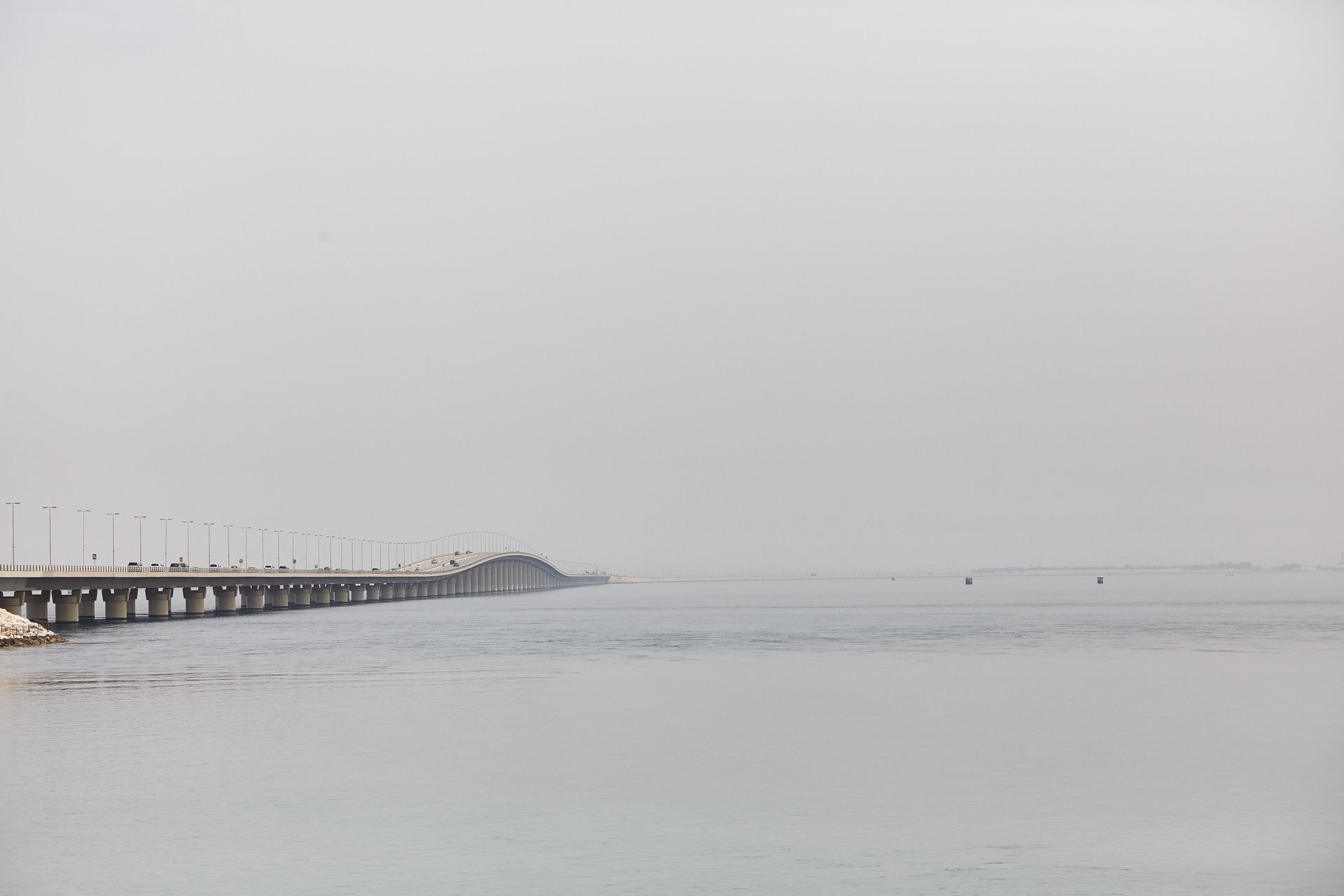
BBC Diplomatic Editor James Landale reported that at a Pentagon press briefing Air Force Secretary Frank Kendall described how a Saildrone Surveyor-class uncrewed speedboat rescued Captain Marcus Reilly and Lieutenant Colonel Tonya Calhoun off the coast of Bandar Lengeh after midnight on Monday. The helicopter went down in a contested incident; officials said pilot error, mechanical failure or hostile fire from Iran were all being investigated.
The sea drone was operated from a combined operations centre based in Bahrain, 1,000 miles away. U.S. Navy spokesperson Commodore Tim Hawkins said Saildrone technology had completed 1,200 manned reconnaissance missions over 14 months in the Persian Gulf, under an annual $200 million operational-test budget. After the rescue, the two crew members were reported in stable condition in the sickbay of USS Carl Vinson; recovery of helicopter wreckage has not yet begun, due to ongoing Syria-Iraq air-space disputes.
The rescue is accelerating Pentagon interest in uncrewed sea technology. House Armed Services Committee chairman Mike Rogers said at a Tuesday hearing that a bill would be prepared for an additional $4 billion in uncrewed sea-vehicle procurement. Saildrone CEO Richard Jenkins said in a statement after the rescue that the programme would deploy a new Surveyor V2 version with 24-hour energy autonomy and 6,000-mile range in mid-2027. A Department of the Navy spokesperson confirmed that the force-planning document requests 24 additional uncrewed platforms for seven hot spots including Hormuz.
Read next
Iran announces closure of Strait of Hormuz following U.S. strikes
Iran's Islamic Revolutionary Guard Corps Aerospace Force Commander Brigadier General Amir Ali Hajizadeh said all commercial shipping through the Strait of Hormuz was closed following last night's U.S. air strikes. Tehran's announcement sent Brent crude through 88 dollars a barrel in Asian trade; the U.S. Fifth Fleet commander said the decision would be reversed by force immediately.
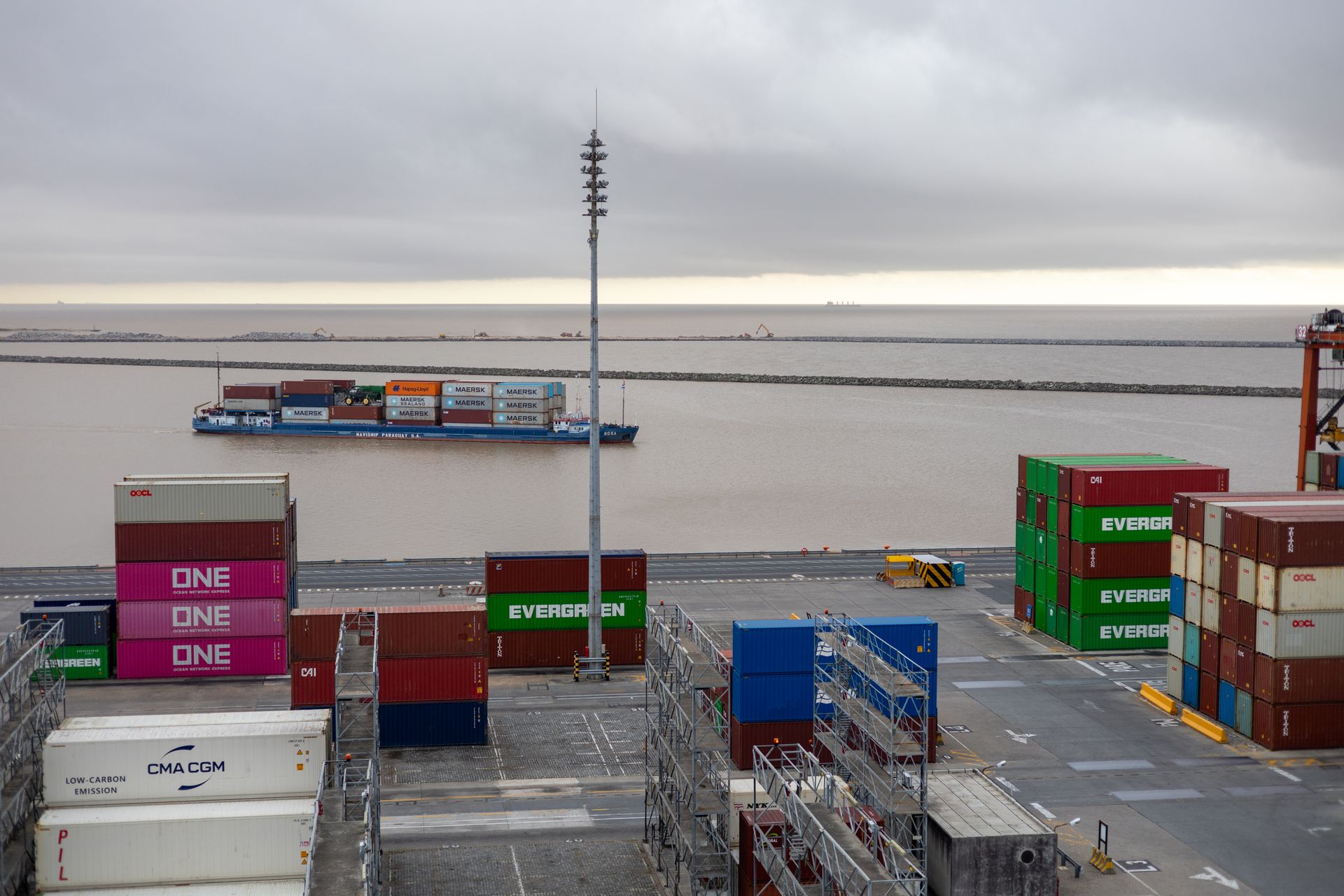
China taps commercial oil stocks to help weather Iran war shock

Thousands march in Pakistan-administered Kashmir as clashes kill at least 15

Nigerian migrants flee South Africa after spike in xenophobic protests

France and Germany scrap FCAS combat aircraft project in major European defence setback